
When homeowners think about solar, the first question is often: “How many panels can fit on my roof?” But the better question is: “How well will those panels actually perform once they’re installed?” That is where proper system design makes all the difference. A solar system is not just about buying good panels. It is about designing the entire system around your roof shape, shading conditions, electricity usage, and long-term goals. For landed homeowners in Singapore, this can mean the difference between an average solar installation and one that unlocks 20–30% more power from the same roof space.
TL;DR - the importance of home solar system design optimisation
- Proper solar design can unlock 20–30% more power from the same roof.
- A good design takes into account roof orientation, shading, roof space, and electrical layout.
- Poor design can waste roof space, reduce output, and lower your long-term savings.
- Landed homes in Singapore often have unique roof shapes that need custom planning.
- Choosing a solar installer with strong design capability matters just as much as choosing the panels.
- The right design can improve performance, protect your roof, and maximize return on investment.
Many homeowners assume that solar performance depends mostly on the brand of the panels. While panel quality is important, the actual output of a solar system depends heavily on how the system is designed. Two homes can install the same number of panels from the same brand and still get very different results if one system is designed well and the other is not.
That is because solar design affects how much sunlight the system captures, how efficiently power moves through the system, and how much usable roof space is actually used. A poorly planned system may fit fewer panels than possible, suffer from shading losses, or use an inverter setup that limits production. Over time, these design issues reduce savings and stretch out the payback period.
Roof space is not always used efficiently
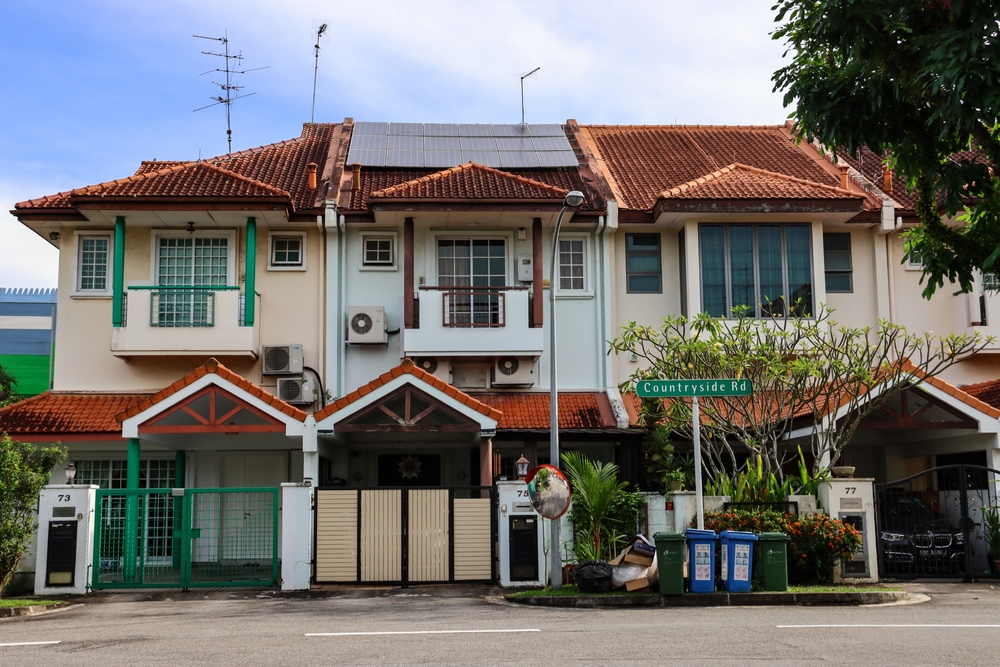
Landed homes in Singapore often have roofs with slopes, ridges, vents, chimneys, skylights, and other features that make panel placement more complex. A basic layout may leave usable space untapped simply because it is easier to draw. A better design approach looks at the entire roof carefully and plans around these limitations.
That is where design can unlock more power. By optimizing panel placement, orientation, and spacing, a well-designed system can fit more capacity onto the same roof. In some cases, that means adding several more panels without increasing the roof footprint. More capacity usually means more electricity generated and more savings over time.
Shading can quietly reduce your savings
One of the biggest hidden issues in solar is shading. Even partial shade from a nearby tree, a neighboring building, or a roof fixture can reduce how much power a system produces. In some cases, a small amount of shading can affect an entire string of panels if the system is not designed properly.
A good design process studies shading patterns before installation. This helps the installer avoid problem areas or use the right hardware to reduce losses. For example, in some homes, using panel-level optimization or adjusting the arrangement of panels can help maintain higher output even when part of the roof is shaded at certain times of the day. For homeowners, this matters because the goal is not just to install solar, it is to generate as much usable electricity as possible throughout the year.
Electrical design affects performance
A lot of homeowners focus on the roof, but the electrical design is just as important. The inverter, wiring, string layout, and monitoring setup all influence how efficiently the system runs. If the electrical design is too generic, the system may not perform as well as it should.
A well-planned electrical design makes sure the solar panels work efficiently with the rest of your home’s electrical system. It also helps prepare the system for future needs, such as battery storage or EV charging. This is especially important for homeowners who want to future-proof their property and avoid expensive changes later.
Better design helps protect your roof and your home
A good solar system should not only generate power, it should also respect the roof it sits on. Poor installation design can cause unnecessary roof penetrations, added stress, or maintenance problems down the line. That is why homeowners should look for an installer who considers the building structure, waterproofing, and long-term durability during the design phase. At Eigen Energy, our focus is on making sure the solar solution works with the home, not against it. That means designing a system that supports performance without compromising the roof’s integrity or the homeowner’s peace of mind.
Proper design improves the return on investment
Most homeowners think of solar as a long-term financial decision, and rightly so. The better the system performs, the faster it pays for itself. If poor design causes the system to produce less electricity than expected, the homeowner may wait much longer to recover the upfront cost.
That is why design is not a technical detail but a financial one. A solar system that produces 20–30% more power can materially improve savings over the life of the system. For homeowners, that can mean lower electricity bills, faster payback, and better long-term value.
What homeowners should ask before signing a solar quote
Before choosing a solar installer, ask how they design the system. Do they assess the roof properly? Do they study shading? Do they optimize panel placement or just use a standard layout? Do they explain how the inverter and wiring are configured? These questions matter because they reveal whether the installer is selling a product or designing a solution.
A strong solar provider should be able to explain the logic behind the system design in clear language. If the proposal only talks about panel count and price, but not how the system is designed to perform, that is a sign to dig deeper.
If you would like to find out more, read out article on: 10 questions to ask your solar installer
FAQ
Q: How can proper design increase solar output by 20–30%?
A: Proper design improves panel placement, reduces shading losses, and makes better use of roof space. It also ensures the electrical setup supports efficient energy production.
Q: Is system design more important than panel brand?
A: Yes, in many cases. Even premium panels can underperform if the roof layout, inverter selection, or shading analysis is poorly planned.
Q: Why is solar design especially important for landed homes in Singapore?
A: Landed homes often have complex roof shapes and varying shading conditions. This makes custom design more important than a one-size-fits-all approach.
Q: Can a bad design affect payback period?
A; Yes. If a system produces less electricity than expected, it takes longer to recover the investment through bill savings.
Q. What should I ask a solar installer about system design?
A: Ask about shading analysis, roof layout optimization, inverter selection, and how the system will support future needs like batteries or EV charging.
If you are considering solar for your home, do not start with panels but with the design. The right system design can help you unlock more power, improve your savings, and make better use of your roof for years to come. At Eigen Energy, we take an engineering-led approach to solar for landed homes in Singapore. That means we look beyond the quote and design a system that is built for performance, durability, and long-term value. Book a solar assessment with Eigen Energy today and see how much more your roof could deliver.


