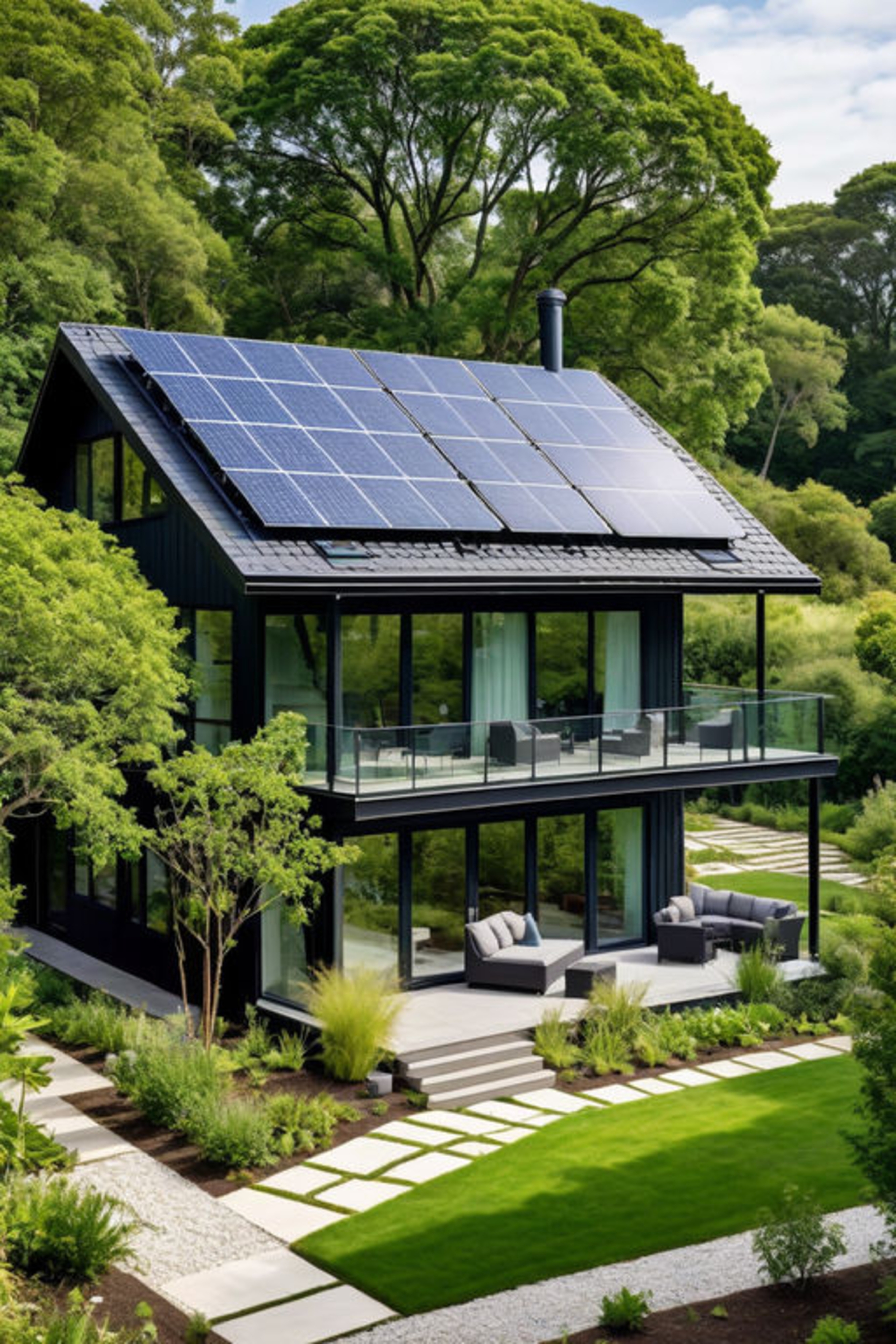
Choosing the right solar inverter for your home
Learn how to choose the right solar inverter for your Singapore home from types and efficiency to grid compliance and warranties.
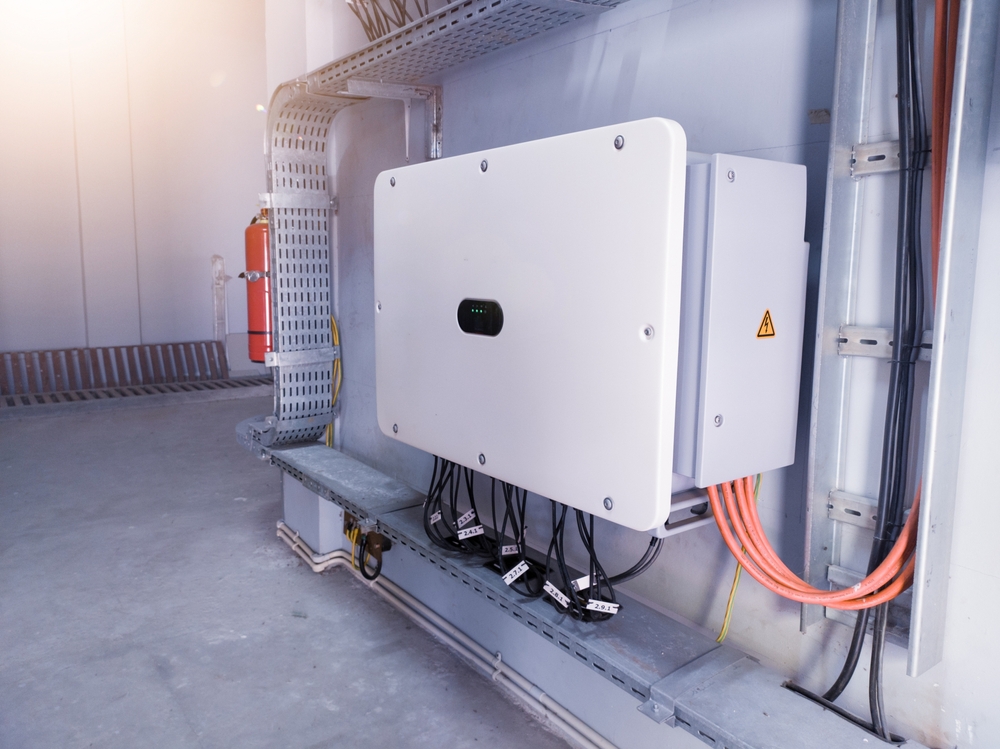
The inverter of a solar system converts DC power generated by your panels into AC power usable in your home. A good inverter ensures your solar setup is efficient, reliable, and future-proof. This guide walks you through the types available, what to consider, and how to make the best choice for your house.
📌 TL;DR
- Inverters are vital for converting solar energy into usable power.
- Types include string, microinverters, and hybrid.
- Choose based on efficiency, reliability, compatibility, and Singapore’s grid requirements.
- A good inverter lasts 10 to 20 years with proper support.
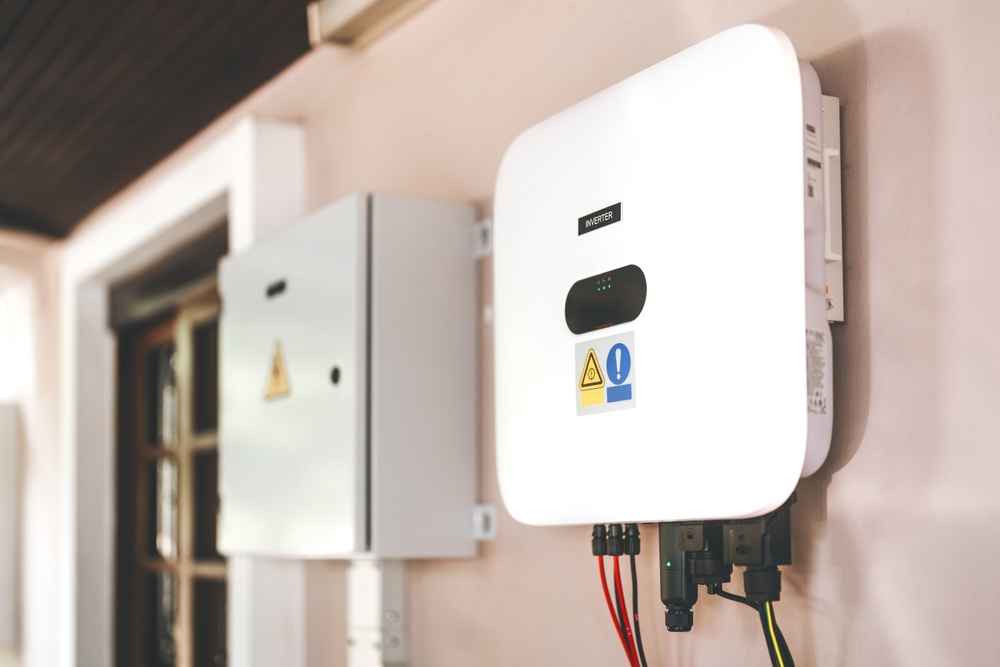
Types of solar inverters
1. String Inverters
This is the most common type used in residential systems. Panels are connected in a series or "string" to a single inverter.
Pros:
- Cost-effective and widely used in Singapore homes.
- Easier maintenance due to fewer components.
Cons:
- If one panel underperforms (due to shade or dirt), it can affect the entire string’s performance.
Best for: Homes with unshaded roofs facing one or two directions.
2. Microinverters
Instead of a single inverter, each panel has its own small inverter.
Pros:
- Each panel operates independently, maximizing energy yield even with partial shading.
- Allows more detailed system monitoring per panel.
Cons:
- Higher upfront cost.
- More complex installation.
Best for: Homes with multiple roof angles, partial shading, or aesthetic constraints.
3. Power Optimizers (Hybrid Systems)
Power optimizers are installed on each panel but work together with a central inverter. They offer a balance between performance and cost.
Pros:
- Mitigates panel mismatch issues.
- Delivers higher efficiency in partially shaded conditions.
- Easier maintenance compared to microinverters.
Cons:
- Slightly more complex system setup than standard string inverters.
Best for: Homeowners looking for high performance without the full cost of microinverters.
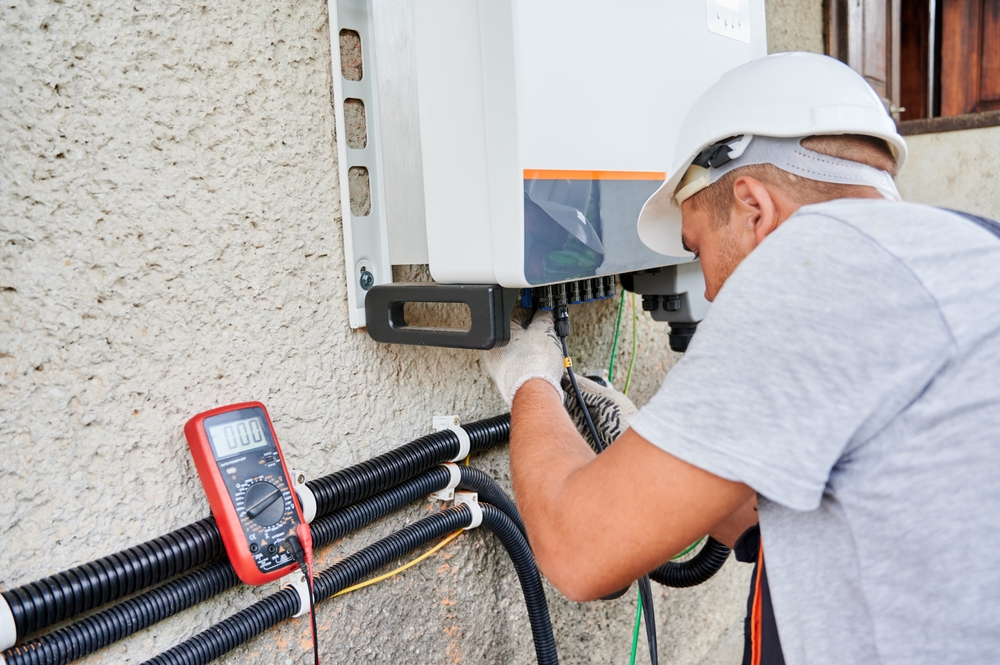
Key Factors to Consider When Choosing an Inverter
1. Efficiency and Reliability
Look for inverters with an efficiency rating above 97%. The higher the efficiency, the more of your solar power is converted into usable energy.
2. Warranty and After-Sales Support
Inverters typically last 10–15 years, shorter than the 25-year lifespan of solar panels. A solid warranty and responsive after-sales support are essential.
Choose brands with local service centres or partners in Singapore, this ensures quick repairs or replacements if something goes wrong.
3. Compatibility with Your Solar Panel System
Your inverter must match the voltage and current specifications of your solar panels. Mixing incompatible components can reduce system efficiency or void your warranty.
A qualified Licensed Electrical Worker (LEW) should always review the full system design to ensure compliance with the Energy Market Authority (EMA) requirements.
4. Singapore-Specific Grid Requirements
Inverters in Singapore must be EMA-approved and meet the SP Group’s technical standards for grid connection.
This ensures:
- Safe operation under Singapore’s grid conditions.
- Proper anti-islanding protection (so your system shuts off safely during outages).
- Compliance with SCDF fire safety and electrical code requirements.
🔎 FAQs when choosing the right solar inverter
Q: How long does a solar inverter last?
A: Usually between 10-15 years, but high-quality inverters can last up to 25 years with proper maintenance.
Q: Can I upgrade my inverter later?
A: Yes, especially with hybrid systems that support battery addition.
Q: Is a microinverter better than a string inverter?
A: Microinverters excel in shaded or complex roofs, while string inverters are more budget-friendly for simple setups.
Q: What brands are recommended?
A: SMA, Huawei, and Delta are trusted and well-established brands in Singapore.
Q: Do I need a hybrid inverter?
A: Only if you plan to add batteries or require backup power.
Ready to find the perfect inverter for your home? Contact our experts today for a free consultation and system design advice tailored for Singapore’s unique climate and grid standards.