
10 questions to ask your home solar installer in Singapore
Here are the 10 essential questions to ask in Singapore to ensure your home solar system is safe, compliant, and built to last.
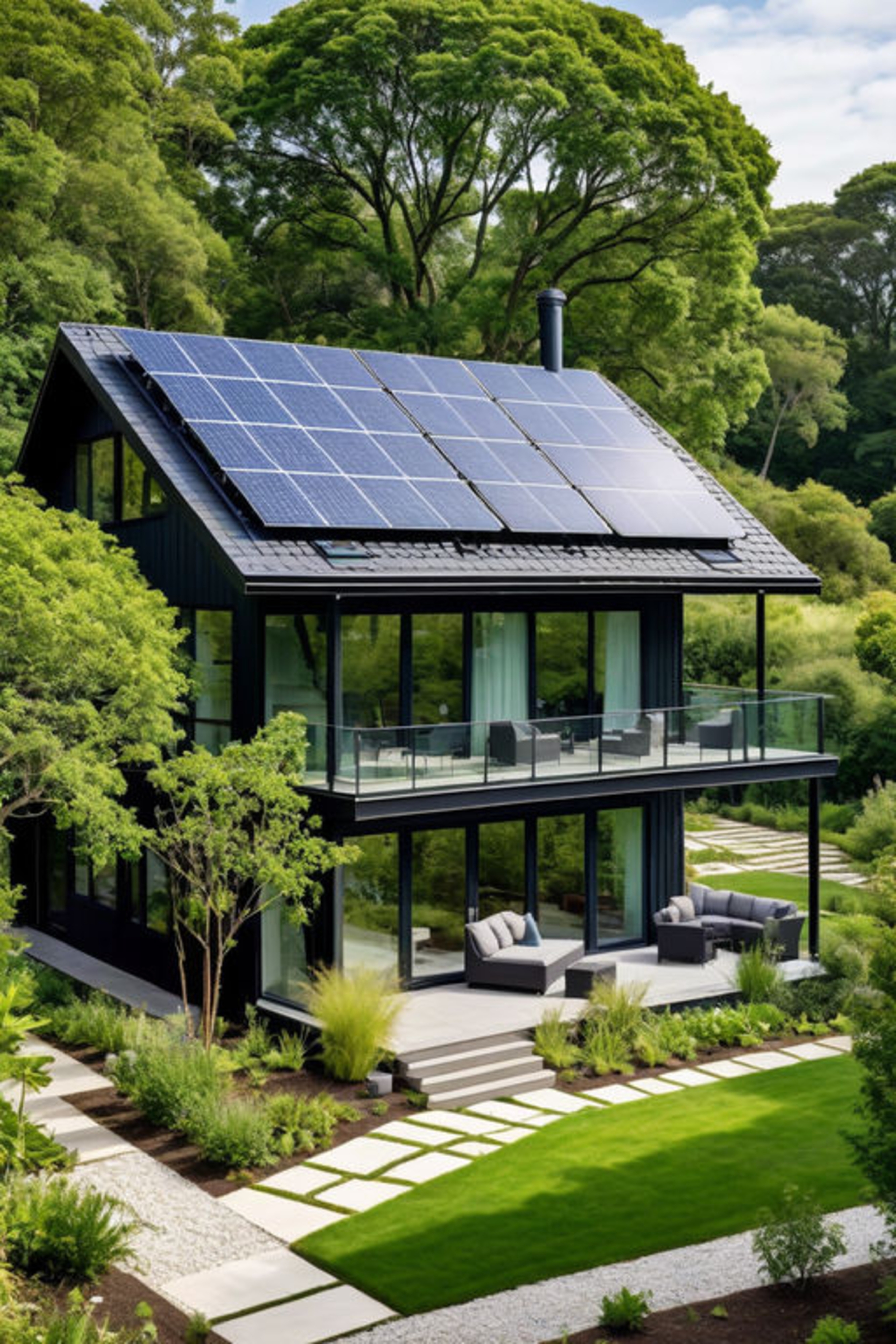
Selecting a solar installer is a 25-year commitment. The long-term safety, performance, and reliability of your solar system depend heavily on the competence and integrity of the installer you choose. For homeowners in Singapore, choosing a solar contractor is about much more than just comparing prices. It requires confidence that the company understands local safety regulations, electrical standards, and is ready to support you for decades to come.
Here are the 10 essential questions you should ask any solar installer before making this important decision. These questions are grouped to help you focus on key areas: experience and compliance, technical design, and long-term service.
1. Who is the Licensed Electrical Worker (LEW) for my project?
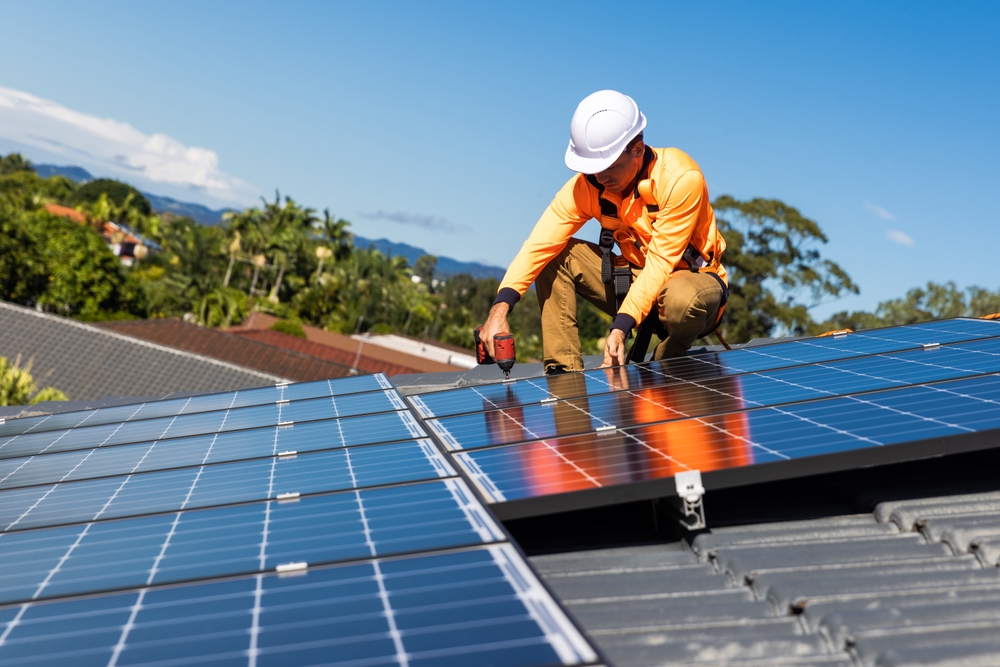
In Singapore, all solar systems must be approved by a Licensed Electrical Worker (LEW) who’s registered with the Energy Market Authority (EMA). This person is legally responsible for ensuring your system is designed and connected safely to the grid.
Don’t be afraid to ask for their name, license class, and credentials to confirm that they’re not just a subcontractor you’ll never meet.
The LEW’s role is crucial: they’re the one making sure your home’s solar power integrates smoothly and safely into Singapore’s national grid.
2. How much local experience do you have?
Installing solar in Singapore is not the same as installing it in other parts of the world. The combination of high humidity, strong UV exposure, and heavy rainfall makes design and component quality especially important.
Ask how long the company has been operating here and whether they can share examples of completed local projects. Reliable installers should be able to point you to homes or neighbourhoods where their systems have been running for at least a year. This gives you confidence in both their workmanship and their after-sales service.
3. Who handles the roof and fire safety submissions?
Before installation, every solar project must undergo structural and fire safety checks to meet Building and Construction Authority (BCA) and Singapore Civil Defence Force (SCDF) requirements.
A professional solar provider will engage a Qualified Person (PE) to assess your roof’s load capacity and ensure the panels won’t compromise structural safety or fire access routes. These submissions are legally required, so if your installer waves them off or avoids the topic, that’s a warning sign.
4. How do you account for Singapore’s heat in your performance estimate?
Solar panels are tested in cool laboratory conditions (about 25°C), but your rooftop easily reaches 60°C or higher in Singapore’s sun. That heat naturally reduces power output.
A trustworthy installer will factor in a heat derating adjustment (usually 10–15%) when estimating how much energy your system will produce. If an installer promises you unrealistically high savings, they might be skipping this adjustment and setting false expectations.
5. Which exact panels and inverters will you be installing?
Not all solar components are created equal. Always ask for specific model names and manufacturer details instead of general claims like “Tier 1 panels.” You deserve to know exactly what’s going onto your roof.
Look for panels that come with a minimum 12-year product warranty and a 25-year performance warranty guaranteeing at least 80% of their original output by year 25. For newer N-type monocrystalline panels, some brands now offer 25-year product warranties, a good indicator of long-term reliability.
6. How will my solar system connect with my home’s electrical setup?
Your solar power will flow into your home’s existing electrical system so it’s important that everything integrates safely. A competent installer will explain how your system connects to your distribution board, circuit breakers, and if applicable, your EV charger or home battery.
If you have backup generators or special circuits, they should ensure everything works together without interference. Even for landed homeowners, a properly designed connection ensures safety, stability, and compliance with grid standards.
7. What does your workmanship warranty include?
Your solar system may come with product warranties from manufacturers but workmanship is a different matter. That covers how well the panels are installed, the wiring, and whether your roof remains watertight afterward.
Choose an installer who provides at least a 5–10 year workmanship warranty. This shows confidence in their installation standards and gives you peace of mind that if something goes wrong due to poor work, it’ll be fixed at no extra cost.
8. How quickly do you respond if the system goes down?
Even the best solar systems may need occasional servicing. That’s why it’s worth asking how your installer handles faults or outages.
Do they provide remote monitoring? How quickly can their team respond to a service call? And how long will repairs typically take? Installers who operate their own local service teams can restore power faster and ensure your solar system keeps performing at its best.
9. Can you show me how the price breaks down?
The fairest way to compare quotes is by looking at the price per watt (S$/Wp), the total system cost divided by the size of your solar array. This levels the playing field across different proposals and helps you spot inflated or incomplete quotes.
Make sure your quote includes all necessary items: installation, permits, and compliance submissions. A cheaper system might exclude these essentials, leading to surprises later. To learn more, read our article on How to Get Solar Quotes: A Step-by-Step Guide
10. Do you offer financing options, and what are the real costs?
If you’re considering financing or a Power Purchase Agreement (PPA), make sure you understand the effective interest rate or rate escalation over time. Some deals look attractive monthly but can add up to higher long-term costs.
Ask your installer to walk you through both upfront and financed scenarios. A reputable company will be transparent and help you choose the model that makes the most sense for your home and budget.
Eigen Energy works with UOB to provide solar financing through UOB's U-solar program.
To find out more, read our article here: Solar Financing for Landed Homes
🔎 FAQ
Q: Is subcontracting common and an issue?
A: It’s common, but you should know which parts are subcontracted and ensure they are covered by the primary contractor’s insurance and warranties.
Q: How do I check an installer’s long-term stability?
A: Look at how long their equipment suppliers have been around and ask about their maintenance division’s track record locally. They need to be available to support your system for decades.
Q: Should I choose the lowest price per watt always?
A: No. Extremely low prices might mean lower-quality equipment or omitted services. Compare prices only for high-quality systems that include full compliance and warranties.
Q: What warranty is standard for solar panels?
A: Expect at least a 12-year product warranty and a 25-year performance warranty guaranteeing at least 80% of original output.
Feeling ready to take the next step? Use these questions to confidently shortlist your solar installers. At Eigen, we believe informed homeowners make confident decisions. Contact us today to find out how we can help you choose a solution right for your home.


