
Installing solar panels on your landed home is one of the smartest financial decisions you can make in today's rising energy cost environment. But with so many solar companies competing for your business, how do you separate the reliable installers from the sales-driven operators who might cut corners?
The truth is, your solar system is a 25-year investment. A poor installation choice today could mean leaks, underperformance, or costly repairs tomorrow. This guide walks you through the key factors Singapore homeowners should consider when selecting a home solar installer who will deliver quality, compliance, and long-term savings.
📌 TL;DR - solar installer selection checklist
Essential credentials:
- EMA registration for grid-connected solar installations
- Licensed Electrical Worker (LEW) certification for electrical work
- BCA registration for building works compliance
- BizSAFE certification demonstrating workplace safety standards
Quality indicators:
- Proven track record with landed properties in Singapore
- Tier-1 solar panels and inverters with comprehensive warranties
- In-house installation teams (not subcontracted labor)
- Detailed site assessment including shading analysis and structural evaluation
- Transparent quotations with specific equipment models and no hidden fees
Support requirements:
- Performance monitoring system with mobile app access
- Clear warranty terms for equipment and workmanship
- Maintenance and support packages
- Responsive customer service with local presence
Red flags to avoid:
- Pressure tactics demanding immediate decisions
- Unusually low pricing without clear justification
- Generic proposals without site-specific design
- Reluctance to provide references or licensing verification
- No physical office or established business presence
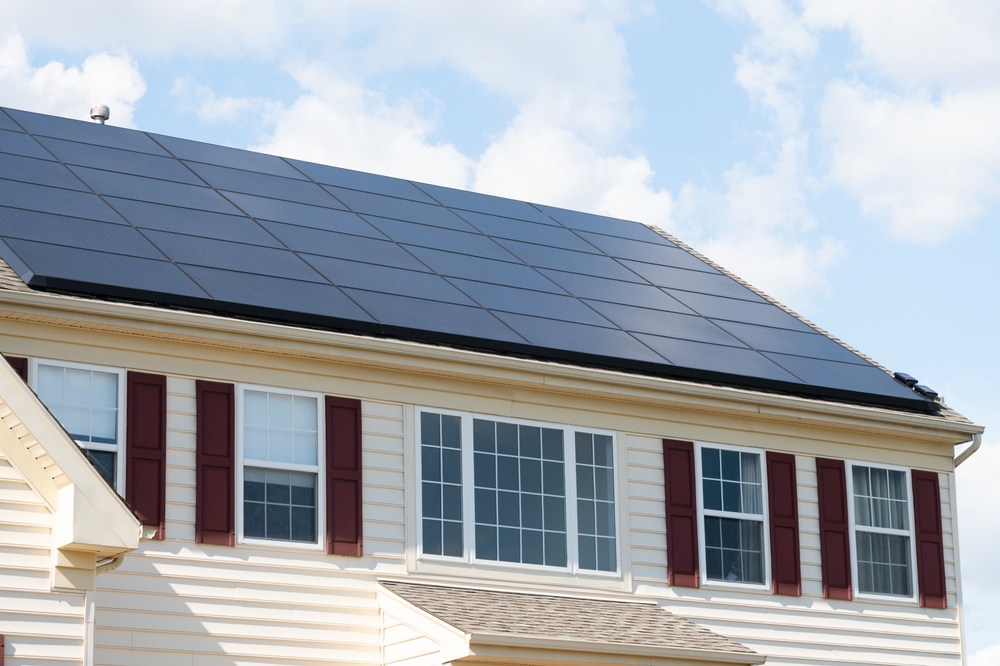
While initial price differences between installers may seem significant (perhaps S$2,000-5,000 on a typical residential system) these savings evaporate quickly when installation quality issues emerge. Roof penetrations improperly sealed during installation can create water infiltration that damages ceiling materials, electrical systems, and structural components, with repair costs easily reaching S$5,000-15,000 depending on damage extent.
Substandard electrical work presents even more serious risks. Improper wiring, inadequate protection systems, or non-compliant grid connections can create fire hazards, equipment damage, or grid disconnection by SP Group. Rectifying electrical installation defects often requires complete system rewiring at costs exceeding the initial installation savings many times over.
Performance shortfalls represent another hidden cost of installer selection mistakes. Systems designed without proper shading analysis, installed with suboptimal panel orientation, or using inferior components may produce 20-30% less energy than projected. Over a 25-year system lifetime, this underperformance translates to tens of thousands of dollars in unrealized savings, far exceeding any upfront cost advantages from choosing discount installers.
Verifying essential credentials and licensing
Singapore's regulatory framework for solar installation creates mandatory compliance requirements that legitimate installers must meet. Verifying these credentials should be your first step in installer evaluation, as it immediately eliminates unqualified operators and establishes baseline competency expectations.
Energy Market Authority (EMA) registration
The Energy Market Authority regulates electrical installations in Singapore, including solar photovoltaic systems that connect to the electricity grid. Installers must register with EMA and demonstrate technical competency before receiving authorization to design and install grid-connected solar systems.
EMA registration requirements include qualified personnel with relevant electrical engineering qualifications, demonstrated experience with solar installations, and compliance with Singapore electrical safety standards. This registration process filters out completely unqualified operators, though it represents minimum rather than optimal competency levels.
When evaluating installers, request their EMA registration numbers and verify registration status directly through EMA's public registry. Legitimate installers provide this information readily and encourage verification, while questionable operators may deflect or claim "pending" registration that never materializes.
Licensed Electrical Worker (LEW) certification
All electrical work in Singapore, including solar system electrical connections, must be performed by or under the supervision of Licensed Electrical Workers holding current certifications from the Energy Market Authority. LEW licensing requires formal electrical training, examination passage, and ongoing compliance with safety standards.
Quality solar installers employ multiple LEWs on staff, ensuring adequate supervision for installation teams and continuity when individual workers are unavailable. Ask installers about their LEW staffing, request to see actual license credentials, and verify that licensed workers will physically supervise your installation rather than merely signing off on work performed by unlicensed labor.
The distinction between companies with in-house LEWs versus those hiring freelance licensed workers for individual projects affects accountability and quality consistency. In-house licensed personnel develop installation expertise specific to the company's procedures and standards, while rotating freelance workers may lack familiarity with company practices or equipment specifications.
Building and Construction Authority (BCA) requirements
Solar installations involve building works including roof modifications, structural attachments, and potential facade alterations. The Building and Construction Authority regulates these activities, requiring contractor registration and compliance with building safety standards.
BCA registration categories indicate the scope and scale of building works contractors are authorized to perform. Solar installers working on landed properties should hold appropriate BCA registration demonstrating competency in roofing works and structural installations.
Beyond basic registration, verify that installers follow proper building permit procedures when required. While not all residential solar installations require building permits, modifications to building structures or heritage properties may trigger permit requirements. Installers who skip permit processes to avoid delays expose homeowners to regulatory violations and potential removal orders.
Workplace safety certifications
BizSAFE certification demonstrates installer commitment to workplace safety standards, particularly important for rooftop solar work involving significant fall risks and electrical hazards. The BizSAFE program, developed by the Workplace Safety and Health Council, establishes progressive safety management standards across multiple levels.
Installers with BizSAFE Level 3 or higher certification have implemented formal safety management systems including risk assessments, safety training programs, and incident reporting procedures. This systematic approach to safety reduces accident risks during installation and indicates professional management practices that often correlate with overall operational quality.
Ask installers about their safety records, training programs for installation crews, and protocols for working at heights on residential roofs. Companies that take safety seriously invest in proper fall protection equipment, require regular safety training, and maintain detailed safety procedures for different installation scenarios.

Evaluating technical competency and experience
Licensing and certification establish baseline competency, but deeper evaluation of technical capabilities and relevant experience separates adequate installers from exceptional ones. This assessment focuses on demonstrated expertise with installations similar to yours and ability to handle the specific challenges your property presents.
Track record with landed properties
Solar installation requirements differ significantly between industrial warehouses, commercial buildings, and residential landed properties. Roof structures, aesthetic considerations, integration with existing electrical systems, and installation logistics all vary across building types. Installers with extensive industrial experience may lack the finesse required for residential work where visual appearance, noise control, and minimal disruption matter greatly.
Request examples of completed landed property installations, preferably in your neighborhood or similar property types. Review installation photos for workmanship quality, visual integration, and attention to detail. Well-executed residential installations demonstrate clean cable management, aesthetically pleasing equipment placement, and minimal visual impact from ground level.
Ask about the number of landed home installations completed and request references from recent customers with similar property configurations. Installers comfortable with residential work readily provide multiple references and often maintain portfolios showcasing their best installations.
Site assessment thoroughness
Professional solar installers conduct comprehensive site assessments before providing quotations, gathering detailed information about roof characteristics, electrical systems, energy usage patterns, and site-specific factors affecting system design. The depth and sophistication of this assessment process reveals installer technical capabilities and commitment to customized system design.
Quality site assessments include precise roof measurements using laser measuring tools or drone surveys, detailed shading analysis examining potential obstructions throughout the year, structural evaluation of roof load-bearing capacity, and electrical system assessment verifying compatibility with proposed solar equipment. Advanced installers use 3D modeling software to visualize proposed installations and optimize panel placement for maximum energy production.
Be skeptical of installers offering quotations after brief site visits or based solely on satellite imagery without physical site inspection. While preliminary estimates from satellite data are reasonable for initial discussions, final system design and pricing should reflect detailed on-site assessment findings.
Shading analysis sophistication particularly distinguishes professional installers from amateur operators. Simple visual inspection misses subtle shading patterns that significantly impact energy production. Professional shading analysis uses specialized equipment or software to model sun paths throughout the year, identifying optimal panel placement that minimizes shading losses.
Component selection and quality standards
The solar panels, inverters, and balance-of-system components your installer specifies determine 80% of your system's long-term performance and reliability. Quality installers maintain strict equipment standards, selecting only proven components from established manufacturers with strong warranty support and local service capabilities.
Tier-1 solar panel manufacturers including Jinko Solar, Longi, Trina Solar, Canadian Solar, and JA Solar produce panels meeting rigorous quality standards with comprehensive testing and long-term performance validation. These manufacturers maintain financial stability necessary to honor 25-year warranties and invest continuously in technology improvements.
When reviewing installer quotations, examine panel specifications including efficiency ratings (17-22% for quality residential panels), temperature coefficients (lower values indicate better hot-weather performance), and warranty terms. Standard warranties include 25-year performance warranties guaranteeing 80-84% of rated output after 25 years, plus 10-12 year product warranties covering manufacturing defects.
Inverter selection equally affects system performance and reliability. Premium inverter brands like SMA, SolarEdge, Fronius, Huawei, and Enphase offer proven technology, comprehensive monitoring capabilities, and established local service support in Singapore. Verify that proposed inverters carry minimum 10-year warranties with options to purchase extended coverage.
Quality installers specify exact equipment models in quotations rather than generic descriptions allowing substitution of inferior alternatives after contract signing. Request product datasheets for proposed components and research independent reviews of specified equipment before committing to installations.
Installation timeline and project planning
Residential solar installations typically span 3-7 days from initial site preparation through final grid connection and system commissioning. The specific timeline depends on system size, roof complexity, weather conditions, and coordination with utility inspections.
Typical installation sequences begin with scaffolding erection and roof preparation, proceed to mounting system installation and panel placement, continue with electrical connections and inverter installation, and conclude with system testing, utility inspection, and grid connection activation. Ask installers about their project management approaches, how they handle weather delays or unexpected complications, and communication protocols during installation. Responsive installers assign specific project managers or coordinators who serve as your primary contact throughout the installation process.
Roof integrity and waterproofing
Roof penetrations for mounting system attachments create potential leak points that must be sealed properly to maintain building weatherproofing. Installation methodology for these penetrations separates quality installers from those who create expensive problems for homeowners. Some advanced mounting systems use non-penetrating or minimally-penetrating designs that reduce or eliminate roof holes entirely. While these systems may cost slightly more, they provide superior protection against leaks and often preserve existing roof warranties that might be voided by traditional penetrating mounts.
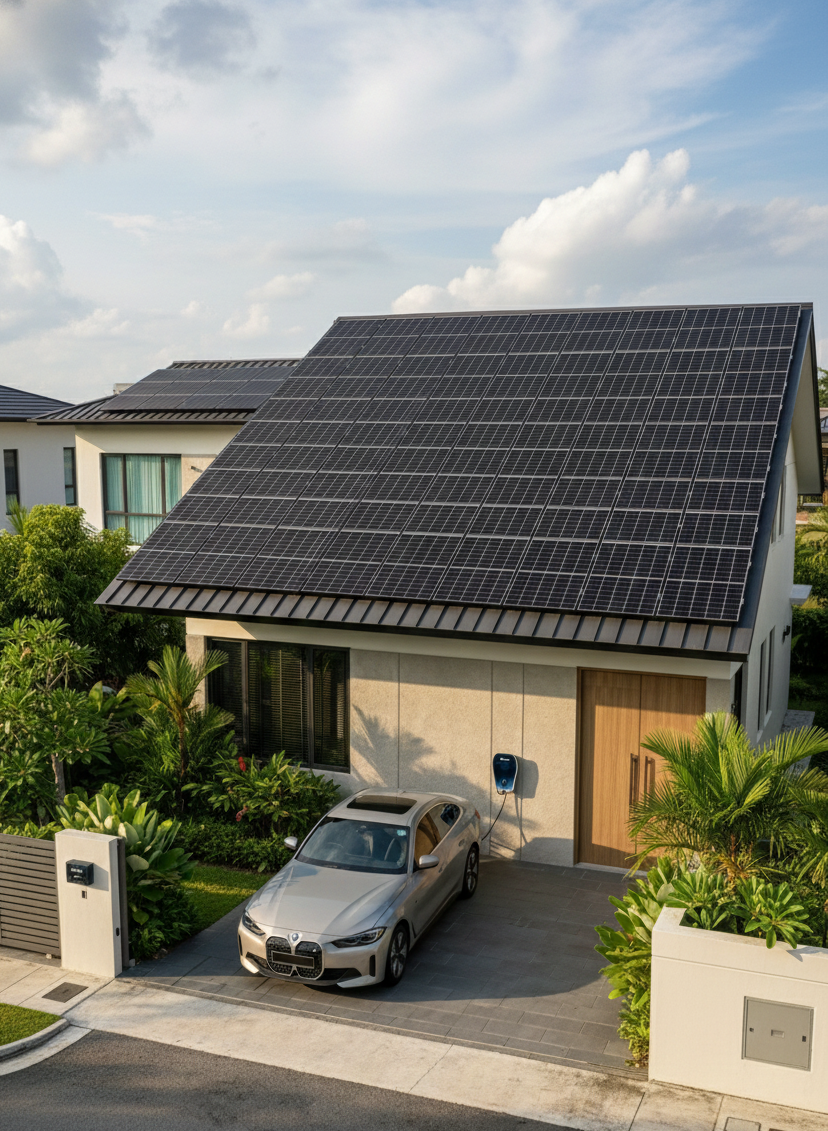
Verify that installers conduct structural assessments confirming your roof can support additional solar panel weight without requiring reinforcement. Most modern landed property roofs accommodate solar loads easily, but older structures or certain roof designs may require engineering review and possible strengthening before installation.
Selecting the right solar installer represents one of the most important decisions in your solar investment journey, with implications extending across decades of system operation. While the evaluation process requires time and effort, systematic assessment using the frameworks outlined in this guide helps you identify installers who will deliver quality installations backed by reliable long-term support.
Frequently Asked Questions
Q: How much should solar installation cost for a typical landed home in Singapore?
A: Residential solar installation costs typically range from S$15,000-35,000 depending on system size, equipment quality, and roof complexity. A typical 5-6 kW system for an average landed home costs approximately S$18,000-25,000 after accounting for available government grants and incentives. Prices significantly below S$3,000 per kW should trigger careful scrutiny of component quality and scope inclusions.
Q: How long does the solar installation process take from signing contract to system activation?
A: The complete process typically spans 6-12 weeks including design finalization, equipment procurement, regulatory applications, physical installation (3-7 days), utility inspection scheduling, and grid connection activation. Timeline variations depend on equipment availability, permit processing times, and SP Group inspection scheduling. Installers should provide realistic timelines accounting for potential delays in utility coordination.
Q: Will solar panel installation damage my roof or void my roof warranty?
A: Professional installation using proper techniques and mounting systems should not damage roofs or void warranties. Quality installers conduct structural assessments before installation, use appropriate flashing and sealing methods for penetrations, and often provide workmanship warranties covering potential leak issues. However, verify roof warranty terms with your roof manufacturer, as some warranties include specific requirements for roof modifications.
Q: Can I get multiple quotations without obligation?
A: Absolutely. Obtaining 3-5 quotations from different installers represents best practice for solar procurement, enabling price comparison and helping you understand market rates and typical offerings. Quality installers expect customers to obtain multiple quotes and welcome comparison. Be wary of installers who pressure immediate decisions or discourage competitive quotations.
Q: How do I verify installer credentials and licensing?
A: Request specific license and registration numbers from installers, then verify these credentials directly with issuing authorities. EMA registration can be verified through EMA's public registry, BCA registration through BCA's contractor directory, and LEW licensing through EMA verification channels. Legitimate installers provide this information readily and encourage verification.
Ready to start your solar journey? At Eigen Energy, we understand that homeowners deserve transparency, quality, and partnership throughout their solar experience. Our commitment to excellence extends from initial consultation through decades of system operation, providing the reliability and support that turn solar investments into long-term success stories.


