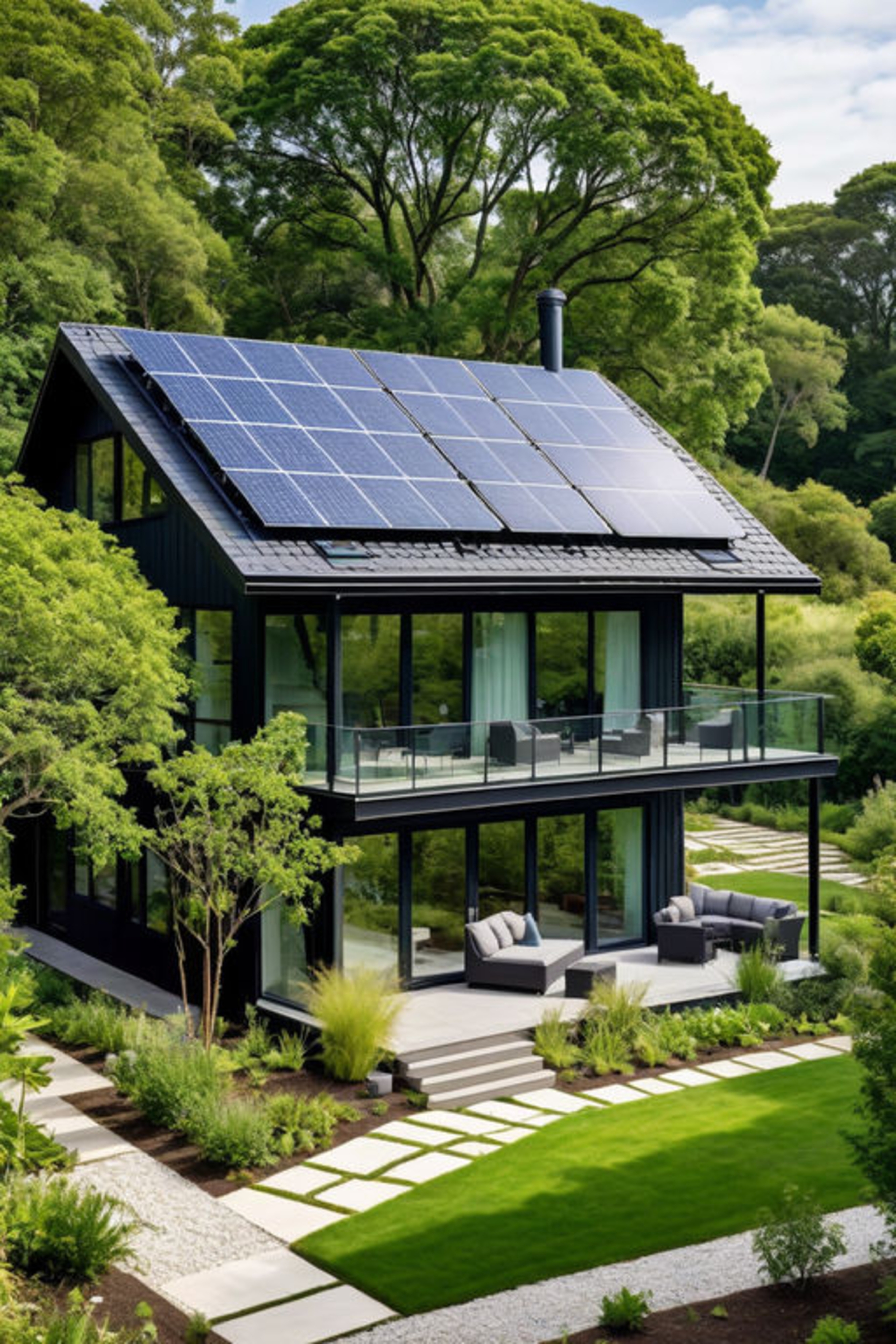
If you're a landed property homeowner in Singapore looking to cut your electricity bills and go solar, you've probably received quotes from multiple installers, each promising impressive savings and quick payback periods. But here's the uncomfortable truth most don't mention: your solar system's performance is 80% determined by its design, not the panels themselves.
Homeowners comparing quotations naturally gravitate toward lower prices, unable to see the value in comprehensive design work that doesn't appear as a line item in proposals. A poor system design means shaded panels underperforming, suboptimal roof layouts wasting space, electrical mismatches causing failures, and long-term savings that never materialise. For terrace houses, semi-Ds, and bungalows with complex roofs, getting the design right is especially critical.
This guide reveals what quality solar installers consider during system design.
TL;DR - Key takeaways about your solar system design
System design determines 80% of your solar ROI. Most installers skip critical steps, leading to:
❌ 20-30% less energy from poor panel layout
❌ Roof leaks from improper mounting
❌ Frequent inverter failures from electrical mismatches
❌ Shading losses costing S$1,000s annually
What separates great design from average:
✅ Shade analysis
✅ Structural engineering review
✅ Panel-by-panel optimisation
✅ Future-proof electrical design
Why system design matters
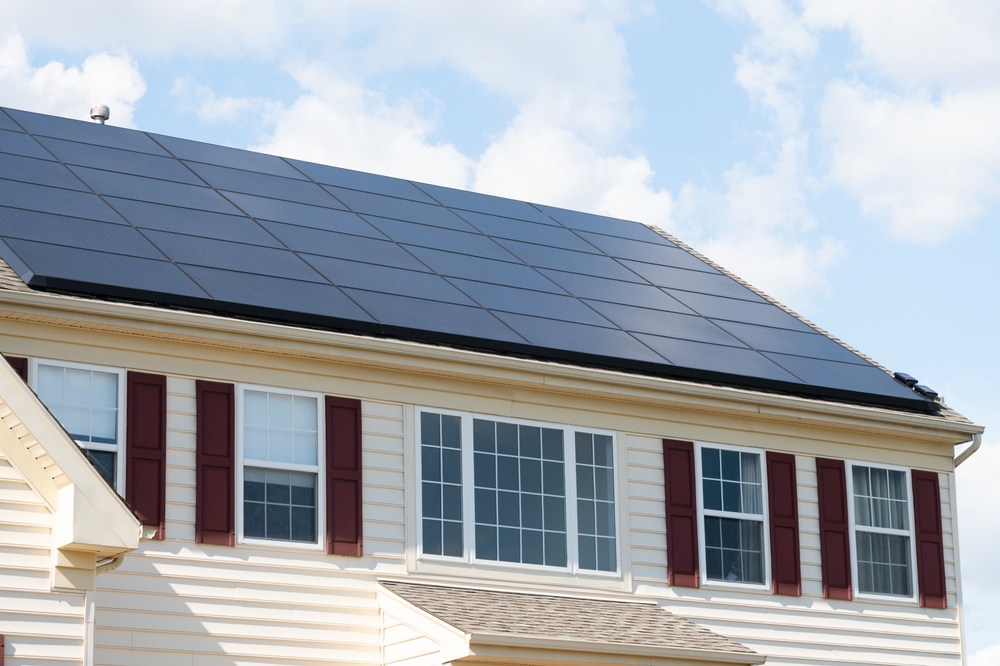
Homeowners fixate on "Tier 1 panels," but the reality is different. Two identical Jinko or Longi panels on the same roof can produce 25-40% different outputs based on layout, orientation, and shading alone.
Here's an application example: A Bukit Timah semi-detach with partial afternoon shading. Installer A puts 18 panels in a simple grid layout which is standard practice. Whilst Installer B uses microinverters and staggers panels to avoid row shading, squeezing in 22 panels instead. The result? 22% more annual generation from the same roof space.
System design considers your specific roof geometry, shading patterns, electrical constraints, and usage profile. Generic "one-size-fits-most" layouts waste your biggest asset; your roof.
The critical first step: shade analysis
Shading represents the single most significant site-specific factor affecting solar production. Most installers glance at your roof during a 15-minute site visit and declare it "good enough".
Professional services use software-based approaches like PVsyst or HelioScope to model sun paths specific to Singapore's equatorial latitude. These tools capture panoramic images showing all potential shading sources (trees, neighboring buildings, roof structures, antennas), then overlay sun path diagrams showing exactly when and where shadows fall across your roof throughout the entire year.
Informed with detailed shading data, engineers can make informed panel placement decisions. They might avoid heavily shaded areas entirely, concentrate panels in optimal locations, or use microinverters rather than string inverters to minimize the impact of partial shading on overall system performance.
Structural engineering that protects your roof
Solar adds 15-25 kg/m² dead load. Your roof must safely support solar equipment, withstand wind loads from occasional storms, and maintain structural integrity across decades of continuous loading. Professional system design includes structural engineering calculations confirming your roof can handle these demands.
Structural analysis begins with roof material identification and condition assessment. Clay tile roofs, concrete roofs, and metal roofs each have different load-bearing characteristics and mounting requirements. Roof age and condition affect structural capacity, where older roofs may require reinforcement before solar installation. Roof pitch influences both mounting approaches and load distribution patterns.
Most installers use generic mounting specs that void your roof warranty or trigger unnecessary strengthening. What proper design includes:
- PE structural review confirming load capacity
- Non-penetrative clamps for metal roofs (no leaks)
- Ballasted systems for concrete flat roofs
- Corrosion-resistant materials for coastal exposure
Electrical design preventing inverter failures
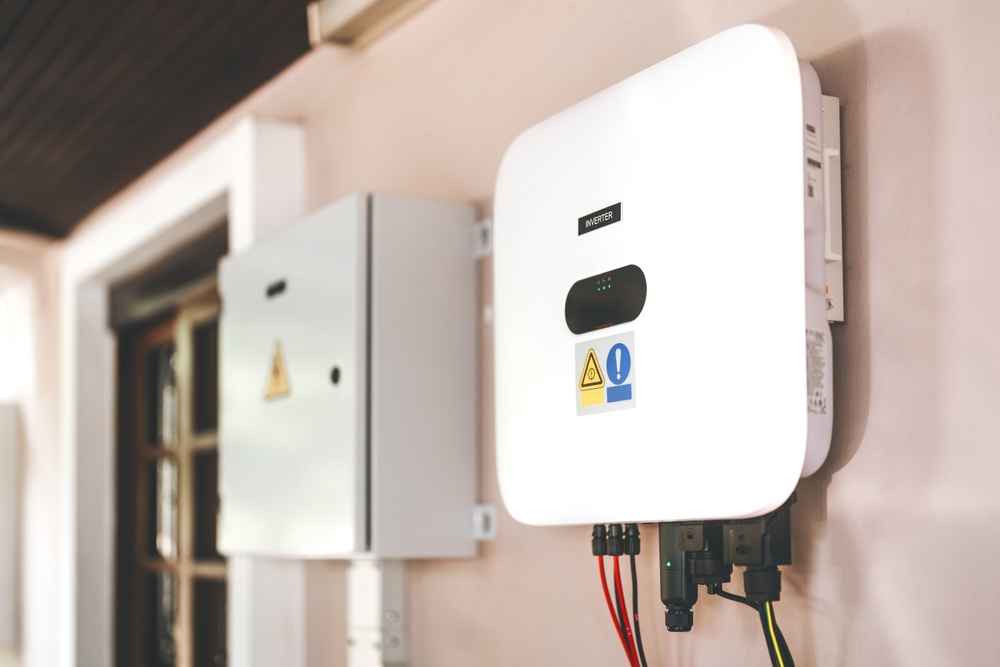
Solar systems integrate with your home's electrical infrastructure, connect to Singapore's grid through SP Group's requirements, and must comply with multiple electrical safety standards. Factors that help the electrical performance are electrical load analysis, string configurations, and solar inverter.
Electrical load analysis examines your home's consumption patterns, identifying when you use electricity and how much you consume during different periods. This information informs system sizing decisions and helps optimize between self-consumption and grid export.
String configuration optimization determines how panels connect electrically, affecting system voltage, current characteristics, and inverter compatibility. Poor string design can create bottleneck effects where shading or failure of a single panel significantly reduces entire string output.
Inverter selection and placement considers electrical efficiency, monitoring capabilities, maintenance accessibility, and integration with your existing electrical panel. The wrong inverter type or size can reduce system efficiency by 3-5%, representing thousands of dollars in lost production over system lifetimes.
In summary, 80% of solar callouts are electrical, not panels. Poor design causes:
- DC oversizing → inverter clipping and overheating
- String mismatch → shaded panels drag down good ones
- AC undersizing → switchboard overloads
Professional electrical engineering ensures these integrations work safely and efficiently while maximizing system performance.
Why most solar installers do not invest in quality design: the technical expertise gap
Not all solar installers possess the engineering expertise required for professional system design even if they wanted to invest in it. Many companies are fundamentally sales organizations that subcontract actual engineering and installation work. Their core competency lies in marketing and customer acquisition, not electrical or structural engineering.
The engineering talent required for proper solar design: electrical engineers familiar with photovoltaic systems, structural engineers who can perform load calculations, energy modelers who understand solar simulation software, commands significant salary premiums in Singapore's competitive employment market. Smaller installation companies may not generate sufficient margin to support these specialized roles.
Some installers rely on equipment suppliers or subcontractors to provide design services, receiving generic layouts that equipment vendors generate for many installations. While these designs may be technically adequate for regulatory compliance, they lack the site-specific optimization that professional custom engineering provides. The result is a market where many installers genuinely cannot provide professional system design regardless of client willingness to pay for it. They've built business models around sales volume and subcontracted installation rather than engineering excellence, and lack the organizational capability to deliver anything different.

How to identify professional system design
The site accessment process: thoroughness of site assessment provides the clearest indicator of design quality commitment. Professional engineers invest significant time on-site gathering detailed information, while superficial approaches rely on brief visits and satellite imagery. The questions asked during site assessment also reveal design commitment. Professional engineers ask about your electricity consumption patterns and when you use most power, existing electrical infrastructure and panel capacity, roof age and any previous leak issues, plans for future electrical additions (EV chargers, pool equipment), vegetation growth patterns and nearby tree trimming schedules, and your priorities balancing aesthetics against maximum production.
Engineering credentials: the qualifications of people actually designing your system matter enormously. Ask installers specific questions about their engineering team and insist on meeting or speaking with the engineers (not sales staff) responsible for your design. Be skeptical of installers who can't clearly identify specific engineers responsible for design work or who indicate that "our team" handles design without naming individuals.
Documentation quality: comprehensive design documentation typically includes detailed site plans showing exact panel locations with dimensions and orientations, structural calculations signed by licensed engineers confirming roof capacity, electrical single-line diagrams showing system components and connections, equipment specifications with exact model numbers and technical datasheets, and performance modeling reports showing assumptions, loss factors, and production projections. Professional engineers welcome technical questions about their designs and can explain design decisions in detail. If installers deflect technical questions or provide vague non-specific answers, they may be working from templates they don't fully understand rather than conducting genuine engineering analysis.
The Eigen Energy difference: engineering-first design approach
Every Eigen Energy project begins with comprehensive site assessment, no shortcuts, and no exceptions. While other installers race to generate proposals, we invest days in engineering analysis because we understand that the quality of design work determines whether our clients' solar investments deliver promised returns across 25-year lifespans. We model your specific site conditions, accounting for exact shading patterns, roof geometry, electrical infrastructure characteristics, and Singapore's climate data. Every design is custom-engineered for your property because we don't work from templates.
We maintain a complete in-house team of qualified engineers and certified technicians. This integrated approach provides several critical advantages that directly protect your investment. This means:
Consistent quality standards: Our installation teams work exclusively for Eigen Energy, receiving ongoing training in our methodologies and quality standards. They're not juggling multiple companies' requirements or cutting corners to maximize their own throughput across different clients. Every installation reflects our unified quality philosophy from design through commissioning.
Design-installation integration: When the same engineering team that designs your system also oversees installation, design decisions are executed precisely as intended. There's no "that's too difficult" pushback from subcontractors unfamiliar with design rationale. Complex string configurations, optimal panel placements, and specialized mounting approaches are implemented exactly as engineered because our installation teams understand the performance reasoning behind every design decision.
Single point of accountability: With Eigen Energy, you have one partner responsible for everything from design, installation, performance, to long-term support. If issues arise, there's no complexity about whether it's a design problem or installation defect, no disputes between designers and installers about responsibility.
When you choose Eigen Energy, you're partnering with a dedicated in-house team of engineers and technicians who will support your investment throughout its entire operational lifetime. Connect with us if you're ready to evaluate the benefits of solar for your home: contact form
FAQ
Q: Why do some solar systems underperform their projections?
A: 80% of cases trace back to poor system design, it could be shading that is not modelled properly, suboptimal layouts, or electrical mismatches. Quality design uses engineering tools, not guesswork.
Q: Will solar damage my roof or void my warranty?
A: No, it should not if the system is properly designed. Non-penetrative mounting plus PE structural review preserves your roof warranty.
Q: How much more expensive is "proper" design?
A: Design adds 3-5% to upfront cost but boosts lifetime output 15-30%. The extra kWh generated pays for design many times over.
Q: Can you really fit more panels with better design?
A: Smart layout + microinverters typically yield 10-20% more kWp from the same roof vs generic grid layouts.