
What to do when solar Is mandatory for JTC lease renewal in Singapore
Step-by-step guide for JTC lessees when solar deployment becomes mandatory. Covering feasibility studies, deployment models, JTC submission requirements, and execution timelines.
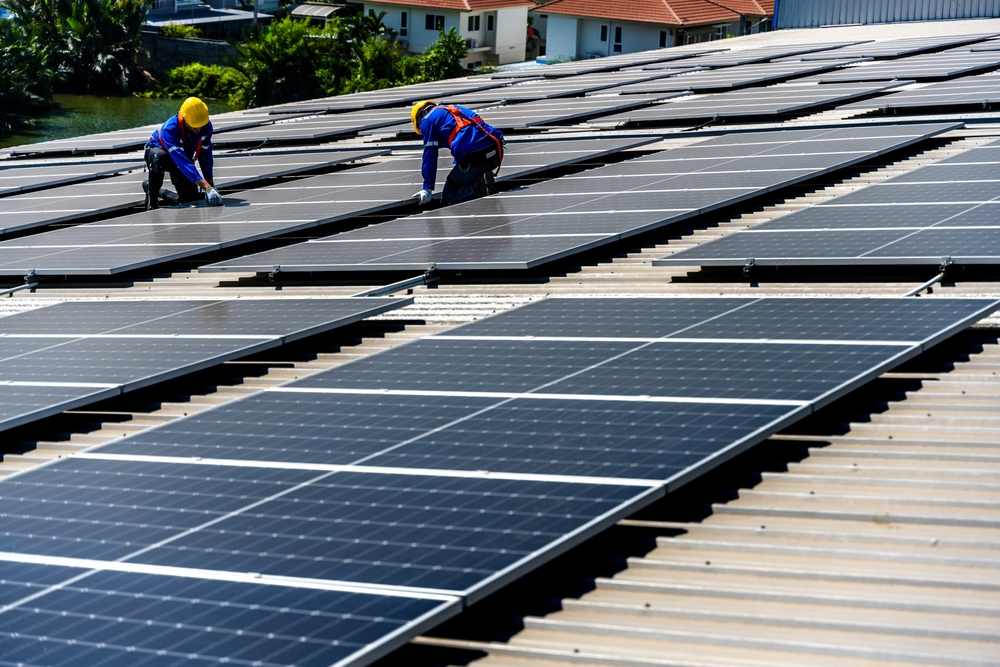
Your JTC lease renewal application just came back with a requirement: solar deployment. For sites with 800 sqm+ of usable rooftop and 15+ years remaining lease term, this isn't optional, it's a condition of approval. Suddenly, your renewal timeline, capex planning, and operations team are all affected.
The good news? You have clear options and a structured path forward. The challenge is moving quickly and methodically to avoid delays that could jeopardise your lease approval. This guide walks JTC lessees through the practical steps, timelines, and deployment models to turn a mandatory requirement into a strategic advantage.
TL;DR - Key takeaways on JTC's mandatory solar requirements
Step 1: Confirm eligibility (800 sqm contiguous roof + 15yr lease)
Step 2: Choose model (leasing, rooftop licensing, or ownership)
Step 3: Conduct rooftop feasibility (structural + electrical audit)
Step 4: Submit proposed plans to JTC during endorsement phase
Step 5: Install within contract timeline, submit as-built plans. Start 12 months before renewal deadline to avoid delays
Step 1: confirm your site qualifies
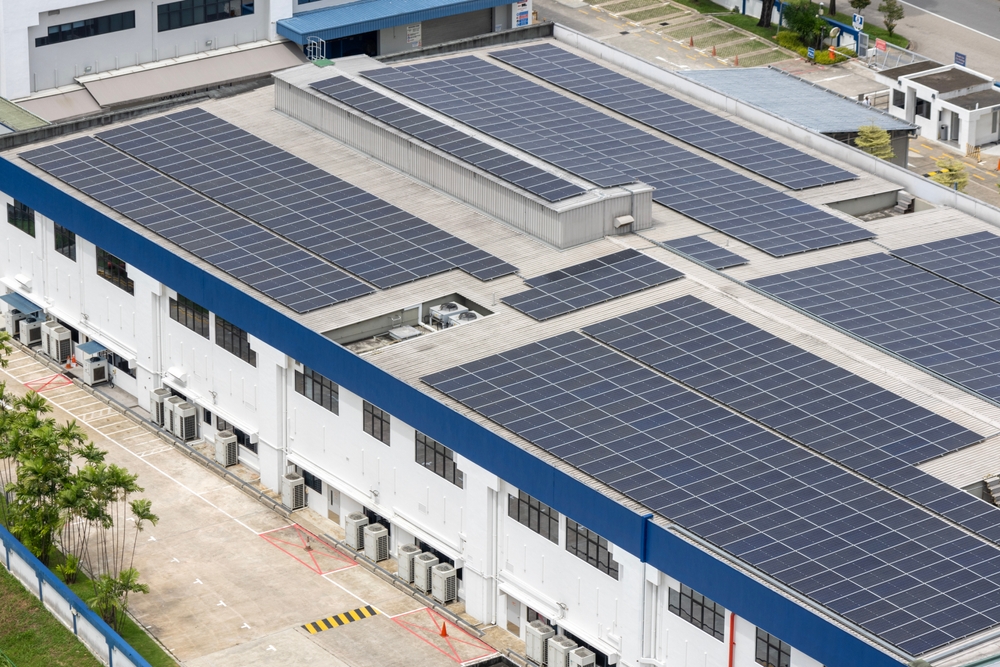
Before panicking, verify the two key thresholds. JTC requires at least 800 sqm of available contiguous rooftop area (excluding technically non-feasible zones) and 15 years remaining lease term. "Contiguous" matters. Fragmented roof sections separated by equipment or skylights may not count toward the threshold.
Action items:
- Measure usable roof area
- Confirm remaining lease term from your current agreement
- Document exclusions (HVAC units, safety setbacks, structural limits)
If you do not meet both criteria, solar becomes voluntary (easier path). If you do qualify, proceed to deployment planning.
Step 2: choose your solar deployment model
JTC recognises three practical models. Each has different capex, control, and risk profiles:
Option 1: Solar leasing (zero CAPEX)
A third-party installs, owns, and maintains the solar system. You buy electricity at fixed or discounted rate.
Best for: Operations teams wanting simplicity, no balance sheet impact.
Option 2: Rooftop licensing (earn revenue)
Solar vendor pays you rent for roof access, exports power to SP grid.
Best for: Monetising unused roof space without operational involvement. Suitable for low energy users with large roofs.
Option 3: Direct ownership (full control)
This option offers the highest total savings. You own the asset, consume generated power directly, maximising savings.
Best for: Long-term leaseholders, high electricity consumption.
Choosing the right model affects how solar integrates into your operations and long-term plans. The right choice depends on your financial priorities and operational strategy.
Step 3: assess structural integrity and energy load
Once the mandate is confirmed, the focus must shift from paperwork to engineering. A successful deployment requires a deep dive into the building’s structural "headroom", determining if your existing roof trusses can support the dead load of a solar array plus wind uplift forces without expensive reinforcements. Simultaneously, analyze your facility’s energy consumption profile. A reputable solar partner will be able to align the solar generation peaks with your operational "load curve" and design a system that maximizes self-consumption. This technical alignment ensures you aren't just checking a box for JTC, but actually optimizing your building's operational expenditure.
Step 4: navigate the JTC submission process
The JTC submission process follows a clear two-stage timeline that aligns with your lease renewal schedule. During the plan endorsement phase (T-12 to T-6 months before renewal), you must submit proposed plans clearly showing the total photovoltaic (PV) installation area. This package should include layout drawings (CAD/PDF format), structural calculations with PE certification, electrical single-line diagrams, and a realistic installation timeline.
After installation and commissioning by your contract deadline, you'll submit as-built plans confirming the actual installed area meets or exceeds the area declared during endorsement. The key to smooth JTC approval is submitting complete, coordinated documentation from the start, pre-coordinating with JTC's technical team significantly accelerates the review process and prevents back-and-forth revisions that could delay your lease approval.
Engaging a solar partner like Eigen Energy that provides turnkey services means we take on the hassle of this process for you.
Step 5: avoiding the "11th hour" compliance trap
Many industrial tenants fall into the trap of treating solar as a last-minute add-on. This oversight often leads to clashes between the solar installation schedule and building operations, or worse, the discovery of structural constraints that require a total redesign. By integrating solar into your broader A&A (Additions & Alterations) plans from the start, you ensure that fire safety paths, electrical switchroom upgrades, and roof warranties are managed holistically.
Once your plans are approved, installation typically takes 10-12 weeks from material procurement to grid connection. Your solar partner will first prepare the roof for mounting systems, then install panels and inverters over 4-6 weeks. The final 3-4 weeks cover electrical tie-ins, testing, and commissioning by a Licensed Electrical Worker (LEW). The solar system will need to meet Singapore's standards: SS 638 for structural safety, SCDF fire spacing requirements, and EMA grid connection rules. The final step is BCA Form 5 submission and SP Services approval before your system can export power. A good partner handles all compliance paperwork so you avoid inspection failures or delays.
Engaging Eigen Energy means we manage this entire sequence from material delivery to final grid certification while keeping your operations running smoothly.
FAQ
Q: Is solar mandatory even if my roof is old?
A: JTC expects solar on all qualifying sites. If the roof is old, the renewal process is actually the ideal time to consider a roof replacement alongside solar installation to ensure the structure lasts for the duration of the new lease.
Q: Can I choose my own installer for a mandatory project?
A: Yes. Even if the deployment is mandatory, you have the freedom to select your own EPC partner and choose between ownership or leasing models, provided the system meets JTC's technical requirements.
Q: What happens if I don't install solar when JTC mandates it?
A: Failing to meet the conditions of your Letter of Offer can jeopardize the lease renewal or result in penalties. JTC views solar as a key indicator of your commitment to land productivity.
Q: How does the "6-month removal rule" work?
A: For voluntary systems, JTC typically requires equipment removal 6 months before lease expiry. However, for systems installed as part of a mandatory renewal condition, the system is usually intended to stay for the duration of the new lease term.

When solar becomes a mandate for your JTC lease renewal, the goal is to shift your perspective from "cost of compliance" to "value of infrastructure." Those who plan early gain the flexibility to choose the best financial models and engineering designs, while those who wait are often forced into sub-optimal, rushed solutions. By treating solar as a core component of your lease strategy, you secure your energy future. Don't let your rooftop be a hurdle in your renewal process. Eigen Energy provides turnkey EPC that covers everything from structural feasibility to regulatory submissions. Connect with us here: enquiry form

