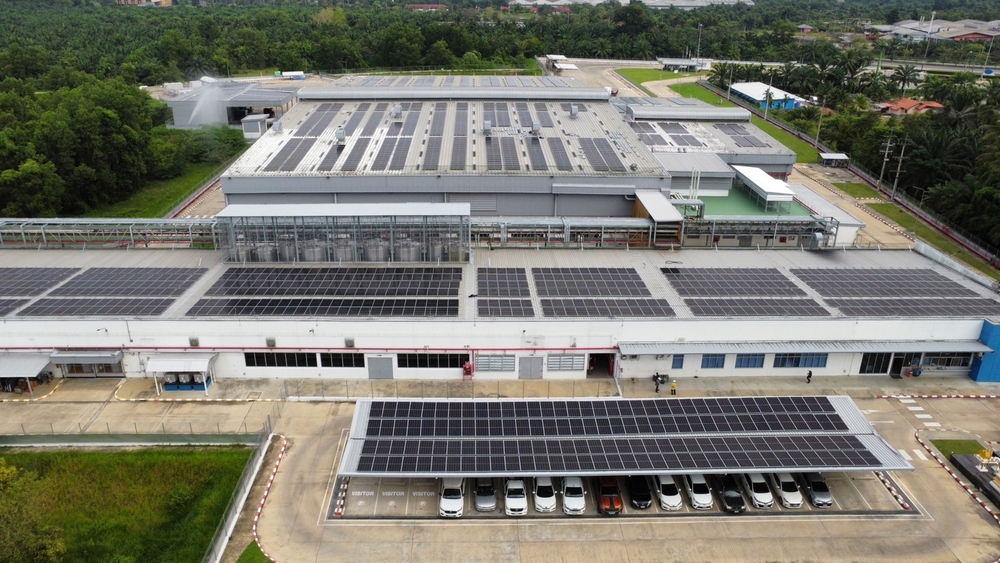
On paper, most solar proposals look attractive. The payback period seems reasonable, the projected savings curve climbs nicely, and the headline discount against current electricity tariffs appears compelling. But once a project moves from a PDF into actual implementation on your rooftop, what is missing from the proposal often matters more than what is included.
For operations managers, chief engineers, and facilities leaders working on behalf of building owners, the risk is straightforward. A “cheap” proposal that leaves out critical scope can quickly turn into a project filled with leaks, delays, unplanned shutdowns, and an ROI that never matches the initial promise. At the same time, not every lower-priced quotation is under-scoped. Some providers genuinely achieve cost advantages through structural efficiencies, such as having engineering, installation, and operations managed in-house rather than fragmented across multiple subcontractors.
Understanding the difference is essential. The goal is not simply to identify the lowest price, but to determine whether a proposal is lean and robust or merely incomplete.
TL;DR
- The lowest price is often missing something: regulatory work, structural upgrades, or proper O&M.
- Hidden costs sit in vague exclusions, assumptions (“by client”), or unexplored risks (roof, switchboard, downtime).
- Focus on lifecycle value and risk allocation, not just S$/kWp or headline payback.
- Ask each EPC to confirm clearly in writing what is included, excluded, and assumed.

1. Regulatory and professional scope
One of the most common gaps in solar proposals lies in regulatory and professional services. Some quotations assume the building owner will manage submissions, approvals, and technical sign-offs, or they list them vaguely as optional support. These elements, however, are essential to project execution and can introduce significant costs and delays if they surface later.
Items such as electrical design endorsement, structural certification, and authority approvals require qualified professionals and formal processes. When these are not clearly included, they become unexpected additions to the project budget and timeline. A proposal that states it will “assist” rather than “manage” these activities often shifts responsibility and risk back to the building owner.
Providers with in-house engineering and regulatory expertise can incorporate this work efficiently within a turnkey scope. Their pricing may appear lean, but it reflects tighter coordination and fewer layers of subcontracting rather than missing elements.
2. Structural and roof-related considerations
Solar installations interact directly with the building envelope, introducing additional loads and exposure to wind, weather, and long-term wear. Some proposals price panels and mounting systems competitively while leaving structural risks insufficiently assessed. Issues such as roof strengthening, waterproofing reinstatement, and compatibility with existing warranties can emerge only during installation if not evaluated earlier. These become variation costs that significantly affect project ROI.
A robust proposal demonstrates that structural considerations have been assessed, not assumed. It explains the mounting approach, the expected impact on the roof system, and how risks are mitigated. EPC providers with integrated design and construction capabilities are often better positioned to anticipate these realities early, resulting in proposals that are realistic rather than reactive.
3. Electrical integration and operational impact
The complexity of connecting a solar system into an existing building’s electrical infrastructure is frequently underestimated. Proposals may be detailed on the generation side but less explicit about integration into switchboards, protection systems, and operational continuity.
Upgrades to distribution boards, additional metering requirements, and cable routing challenges can introduce cost and operational disruptions if not addressed upfront. In some cases, shutdown planning becomes a critical issue, especially in facilities where continuous operations are essential.
When electrical teams are involved from design through commissioning, these integration challenges are identified earlier and reflected accurately in the proposal. This allows for better planning, fewer surprises, and smoother execution during installation.
4. Operations, maintenance, and performance risk
Solar systems are long-term assets, and their financial performance depends heavily on how they are maintained. Many proposals emphasise installation quality but provide limited clarity on ongoing operations, monitoring, and performance management.
Over time, panel cleaning, electrical inspections, inverter servicing, and system diagnostics become necessary to sustain output. Monitoring platforms, response processes, and maintenance schedules influence whether performance issues are detected early or allowed to erode savings quietly.
Providers with established operations and maintenance capabilities can deliver these services more consistently and often at lower marginal cost. Their proposals may include longer monitoring and service coverage because they are structured to support systems over decades rather than relying on ad-hoc outsourcing.
5. Commercial and contractual structure
Some of the most significant risks in solar procurement are embedded in contractual terms rather than visible line items. Conditions related to system relocation, property redevelopment, early termination, and performance guarantees shape the long-term flexibility and financial outcome of the project.
Warranty responsibilities, liability allocation, and remedies for underperformance determine how risks are shared between building owner and provider. A proposal that appears financially attractive upfront may introduce constraints later if contractual terms are not carefully reviewed.
Engineering-led providers often structure contracts around realistic performance assumptions and operational accountability. While these may not always produce the lowest headline price, they tend to create more predictable outcomes over the lifespan of the system.

FAQ
Q: If one proposal is significantly cheaper, should I assume it’s cutting corners?
A: Not automatically. A lower price can come from two very different places:
- Missing scope, cheaper components, or outsourced work with tight margins and high variation‑order risk; or
- Genuine efficiencies, such as in‑house engineering, installation, and O&M that remove layers of subcontractor mark‑up and coordination cost.
Your job is to use the five areas above to determine which story you’re looking at.
Q: How can I tell if regulatory and professional services are properly included?
A: Ask for a scope table that clearly states: “included / excluded / by client” for LEW, PE, approvals, and inspections. Request that all mandatory items for a grid‑connected system are explicitly listed as included if the proposal claims to be turnkey.
Q: Why do some providers seem more confident offering longer O&M coverage at a lower price?
A: Providers with integrated O&M capabilities and digital monitoring platforms often have lower marginal costs per site. They can spread tools, processes, and teams across many systems, so the O&M they include in your quote is backed by real capacity rather than ad‑hoc outsourcing.
Q: What’s the best way to compare proposals fairly?
A: Build a comparison sheet with these categories:
- Design & yield assumptions
- Hardware (panels, inverters, mounting)
- Regulatory & professional services
- Structural & roof works
- Electrical integration
- O&M & monitoring (years and level of service)
- Contractual terms & flexibility
Then ask each bidder to confirm or adjust your sheet so you can compare on a like‑for‑like basis.
Q: Can a “more complete” proposal still be competitively priced?
A: Yes, especially when the provider controls more of the value chain internally. When engineering, installation, and aftercare are handled by one integrated team, there are fewer external mark‑ups and fewer inefficiencies from hand‑offs. That allows a proposal to be both comprehensive in scope and sharp on price.