
The true cost of Data Centre solar projects
Discover the structural assessments, electrical upgrades, and integration challenges that data centre operators face when going solar.
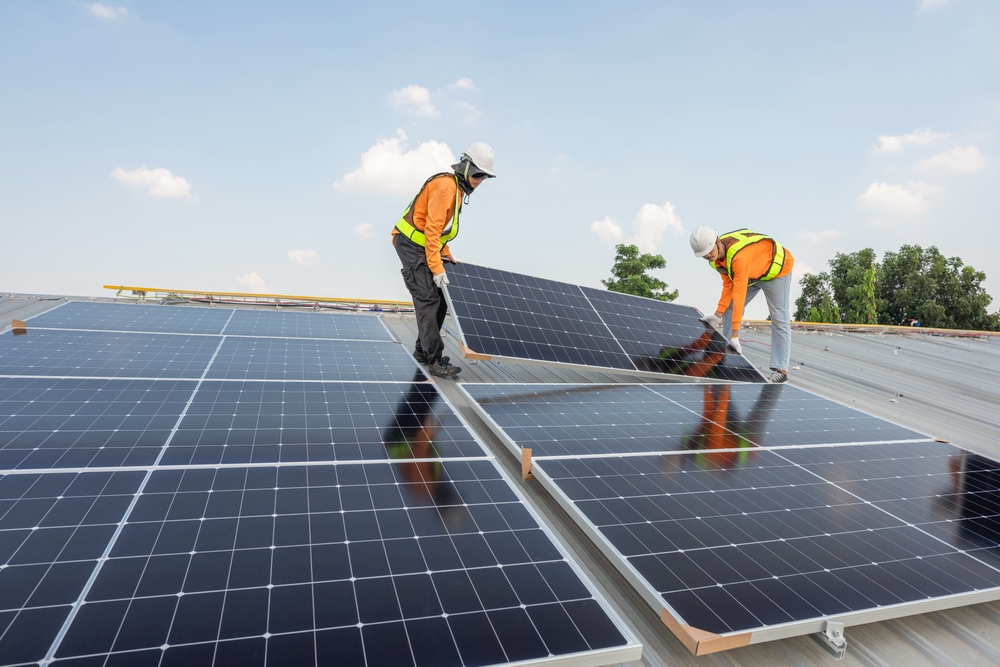
Integrating a solar photovoltaic system for a data centre is a complex and strategic endeavor that goes far beyond simply installing panels on the roof. While solar energy offers clear sustainability and operational cost benefits, data centres face specific challenges and requirements.
Here’s a detailed look at the essential considerations, from roof load capacity assessments to the real cost breakdown from tender to commissioning.
📌 TL;DR:
- Roof load capacity assessments are essential to avoid costly surprises.
- Electrical systems often require upgrades for safe solar integration.
- Seamless integration with existing UPS and backup generators protects operational reliability.
- Maintenance access must be planned for safe, regular cleaning and servicing.
- Real project costs include structural work, electrical upgrades, hardware, installation, and ongoing maintenance.
1. Roof load capacity assessment
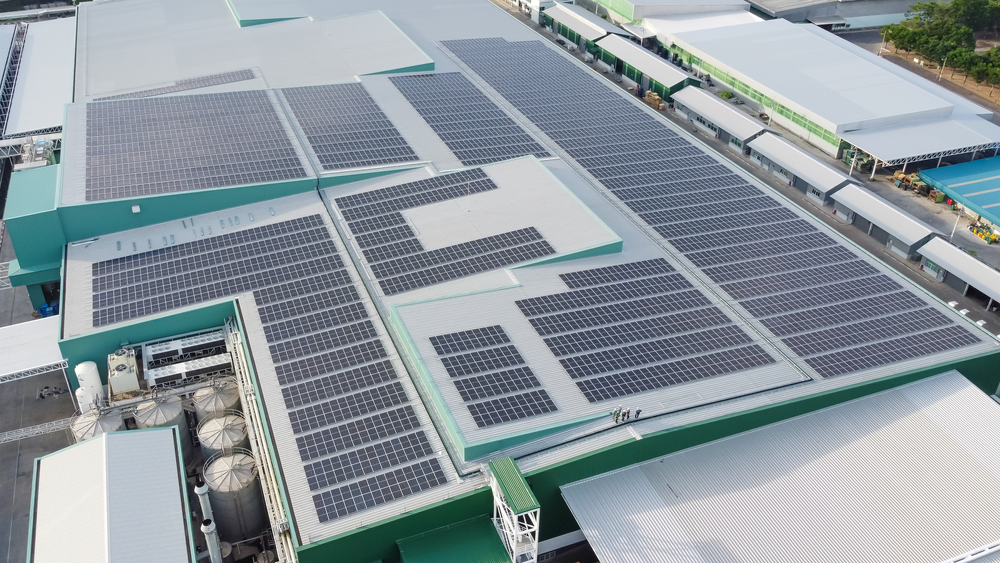
Solar panels, mounting structures, ballast weights, and cabling can add significant mass to a roof system. Solar arrays add an extra 15-25 kilograms per square metre, which can be significant for older data centre roofs.
A thorough structural assessment by qualified engineers is non-negotiable. It prevents costly surprises later, such as reinforcing roofs or halting projects due to safety concerns.
Engineering assessments take 3-5 weeks. If reinforcement is needed, procurement and construction add another 8-16 weeks. A "6-month solar project" could became a 10-12 month project before the first panel arrives.
Insist on a comprehensive structural assessment before accepting any solar proposal.
2. Electrical infrastructure upgrades
Data centres often have robust electrical systems, but solar integration presents new demands. Capacity, switchgear, transformer ratings, and electrical protection devices may require upgrades to accommodate bi-directional power flow, solar inverters, and additional loads.
Working closely with utility providers is necessary to assess grid interconnection capabilities and, where necessary, plan for substation or transformer upgrades. This phase often involves detailed power studies, ensuring safe, reliable integration without impacting critical uptime.
3. Integration with existing UPS and backup systems
Data centres rely on uninterruptible power supplies (UPS) and backup generators to guarantee round-the-clock operations. Solar systems must mesh seamlessly with these to avoid interruptions.
A well-designed solar installation integrates through the facility’s power management system, ensuring that during grid outages or fluctuations, backup systems take over instantly without solar causing instability. Coordination between solar inverters and UPS is critical for maintaining power quality and reliability.
4. Maintenance access considerations
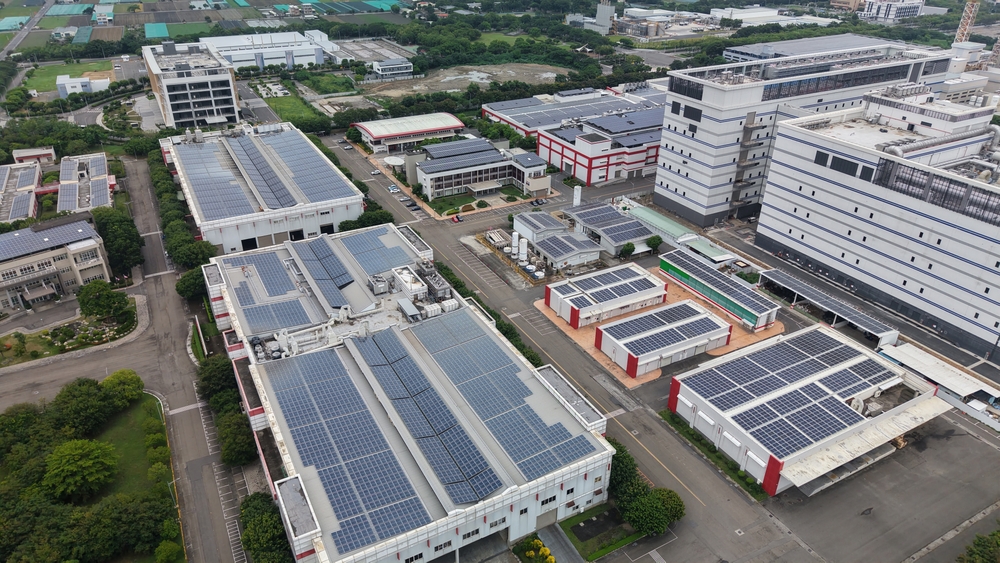
While rooftops are prime real estate for solar, they also house essential cooling, emergency, and accessibility infrastructure. Designing solar layouts with safe, efficient access for routine cleaning and maintenance is essential.
Panels cramped between HVAC units or difficult-to-reach sections will underperform due to soiling and limited upkeep. Careful planning involves working with structural and facilities teams to secure walkways, clear zones, and safe installation heights.
5. Real cost breakdown: from tender to commissioning
The upfront cost of solar arrays represents just part of the total investment. The following elements should be factored meticulously into project budgets:
- Structural assessments and possible roof reinforcements
- Electrical infrastructure upgrades and coordination with utilities
- High-quality monocrystalline or bifacial panels suited for tropical data centres
- Inverters, mounting systems, and safety equipment compliant with local regulations
- Project management fees, permits, and inspections
- Installation labour and logistics, often requiring specialized personnel for data centre environments
- Commissioning, testing, and warranty provisions
- Ongoing maintenance contracts, including quarterly cleaning and periodic system checks
Understanding these real costs from the outset reduces the risk of budget overruns and unexpected delays. When properly planned, the total cost is an investment that contributes to long-term operational savings and sustainable energy goals.
🔎 FAQ
Q: Why is a roof load capacity assessment crucial for solar on data centres?
A: Solar panels and mounting systems add significant weight to rooftops. Without a proper assessment, roofs may need costly reinforcements or risk safety issues.
Q: What electrical upgrades are commonly needed for solar integration?
A: Transformers, switchgear, and protection devices often require upgrading to handle new loads and bi-directional power flow from solar inverters.
Q: How do solar systems coordinate with UPS and backup generators?
A: Integration ensures backup systems take over immediately during outages while maintaining power stability without solar causing disruption.
Q: What are maintenance access considerations on data centre rooftops?
A: Solar layouts must provide safe, easy access for cleaning and servicing, avoiding cramped or obstructed areas prone to soiling.
Q: What costs should data centres expect beyond panel procurement?
A: Costs include structural assessments, electrical upgrades, permits, installation, commissioning, and ongoing maintenance contracts.


