Technical red flags every Operations Manager should spot in a solar proposal
Learn how operations managers can identify technical red flags in solar EPC quotes before poor design leads to leaks, downtime, or hidden costs.

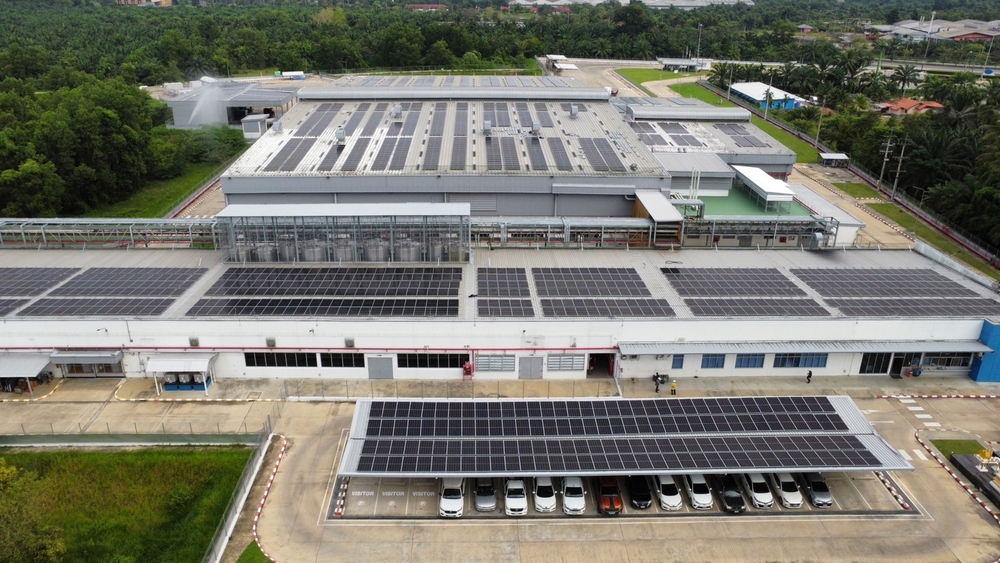
For an Operations Manager, the roof is far more than a surface. It is a critical protective layer that safeguards operations, inventory, equipment, and occupants. Installing a solar power plant on that surface is therefore a high-stakes infrastructure decision.
While solar proposals often highlight attractive financial returns, a low-cost quote can conceal technical compromises that only surface years later, in the form of leaks, downtime, regulatory issues, or underperforming systems. In solar, long-term reliability is determined by engineering detail.
Understanding where technical risks hide allows building owners to separate well-engineered solar assets from projects that quietly become operational liabilities.
TL;DR: the solar quote red flag cheat sheet
If you’re short on time, these warning signs should immediately trigger deeper scrutiny:
- Inverter risk: brands with no local service presence or short warranties (e.g. 5 years on a 25-year system).
- Roof integrity risk: any proposal that mentions drilling or penetration on metal roofs without robust waterproofing details.
- Regulatory gaps: PE endorsements, SCDF fire safety clearance, or EMA licensing listed as “optional” or excluded.
- Workmanship risk: unclear responsibility for installation, suggesting reliance on untrained subcontractors.
- Performance blindness: monitoring systems without string-level visibility, making faults difficult to detect.

The core issue: engineering determines outcomes
The difference between a high-performing solar asset and years of operational headaches rarely lies in panel brand alone. It lies in how the system is engineered, installed, and governed across its full lifecycle.
Below are four critical technical red flags every Operations Manager should look for when reviewing a solar quotation.
1. The “Tier 1” Hardware Smokescreen
Many EPCs highlight “Tier 1” solar panels as proof of quality. While this sounds reassuring, panels are statistically the least likely component to fail.
🚩 The red flag:
A quotation that spends pages detailing panel specifications but glosses over inverter selection, or specifies budget-tier inverters without justification.
The OM lens:
The inverter is the most complex and failure-prone component of a solar system. It operates continuously under high voltage, heat, and humidity, conditions common in Singapore. Industrial-grade inverter brands with strong local service support (such as Huawei, Sungrow, or SMA) significantly reduce downtime risk. If the inverter fails, the entire system stops generating power.
2. Mounting and waterproofing risks
A solar system should never compromise the roof’s primary function: keeping water out.
🚩 The red flag:
Proposals that reference “self-tapping screws,” drilling into metal sheets, or penetrations into structural members without a detailed, multi-layer waterproofing methodology.
The OM lens:
For metal roofs, best practice uses non-penetrative mounting systems that clamp onto standing seams rather than piercing them. For concrete roofs, ballast or chemical anchoring solutions should avoid breaching the waterproofing membrane. A lower-cost mounting solution can quickly become the most expensive decision if it leads to leaks, corrosion, or warranty disputes.
3. The “ghost engineering” problem
In Singapore, solar installations are regulated infrastructure projects, not simple construction works.
🚩 The red flag:
Quotes that exclude or vaguely reference Professional Engineer (PE) structural and electrical endorsements, SCDF fire safety approvals, or EMA licensing and grid connection processes.
The OM lens:
These approvals are mandatory not optional. If they are excluded, the building owner will face unexpected five-figure costs later, project delays, or worse, a non-compliant system that insurers may refuse to cover. A credible EPC should clearly include regulatory scope and timelines within the quotation.
4. The “subcontractor shuffle”
Clear accountability is a cornerstone of facilities and asset management.
The red flag:
An EPC that cannot confirm whether installation is handled by in-house teams or relies heavily on third-party subcontractors.
The OM lens:
Sales-led EPCs often outsource installation to the lowest bidder, increasing the risk of poor cable management, incorrect torqueing, safety lapses, and inconsistent workmanship. In-house engineering and installation teams create accountability, not just during construction, but throughout the warranty period.
Frequently Asked Questions
Q: Why is the inverter more critical than the panels?
Think of panels as the fuel source and the inverter as the engine. Panels generate DC electricity, but the inverter converts it into usable AC power every second the sun is up. It experiences heat stress and electrical load continuously, making it the most likely failure point.
Q: Can I use the same EPC my neighbour used for a bungalow?
Not necessarily. Commercial and industrial solar systems involve different fire safety requirements, grid connection protocols, and structural considerations compared to residential installations. Experience in C&I projects matters.
Q: How can I verify if a mounting system is truly non-penetrative?
Ask for detailed shop drawings. The drawings should show clamps gripping roof seams rather than fasteners piercing through metal sheets or membranes.
Q: How long do SCDF and EMA approvals usually take?
Approval timelines typically range from 4 to 12 weeks depending on system size and building complexity. A professional EPC should factor this into the project schedule and communicate it clearly upfront.
Protecting your roof is protecting your operations
Solar can be a powerful sustainability and cost-reduction tool but only when engineered with operational risk in mind. The cheapest quote often carries the highest long-term cost.
Before signing a solar contract, ensure the proposal passes a technical red-flag review. A properly designed system protects your roof, your operations, and your balance sheet for decades to come.
Have a casual chat with our Engineers to unlock your building's energy potential: speak to us