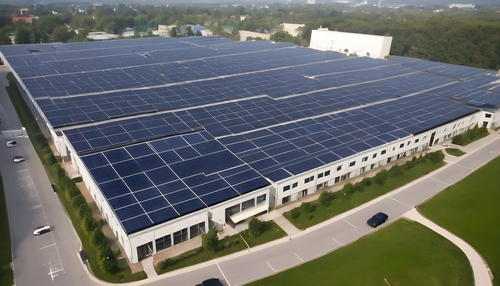
Inside the EPC evaluation process for your building's solar system
Ensure a smooth solar installation by learning how to evaluate EPC providers for your factory, hotel, or warehouse. Discover key factors in quotations, compliance, and system longevity.
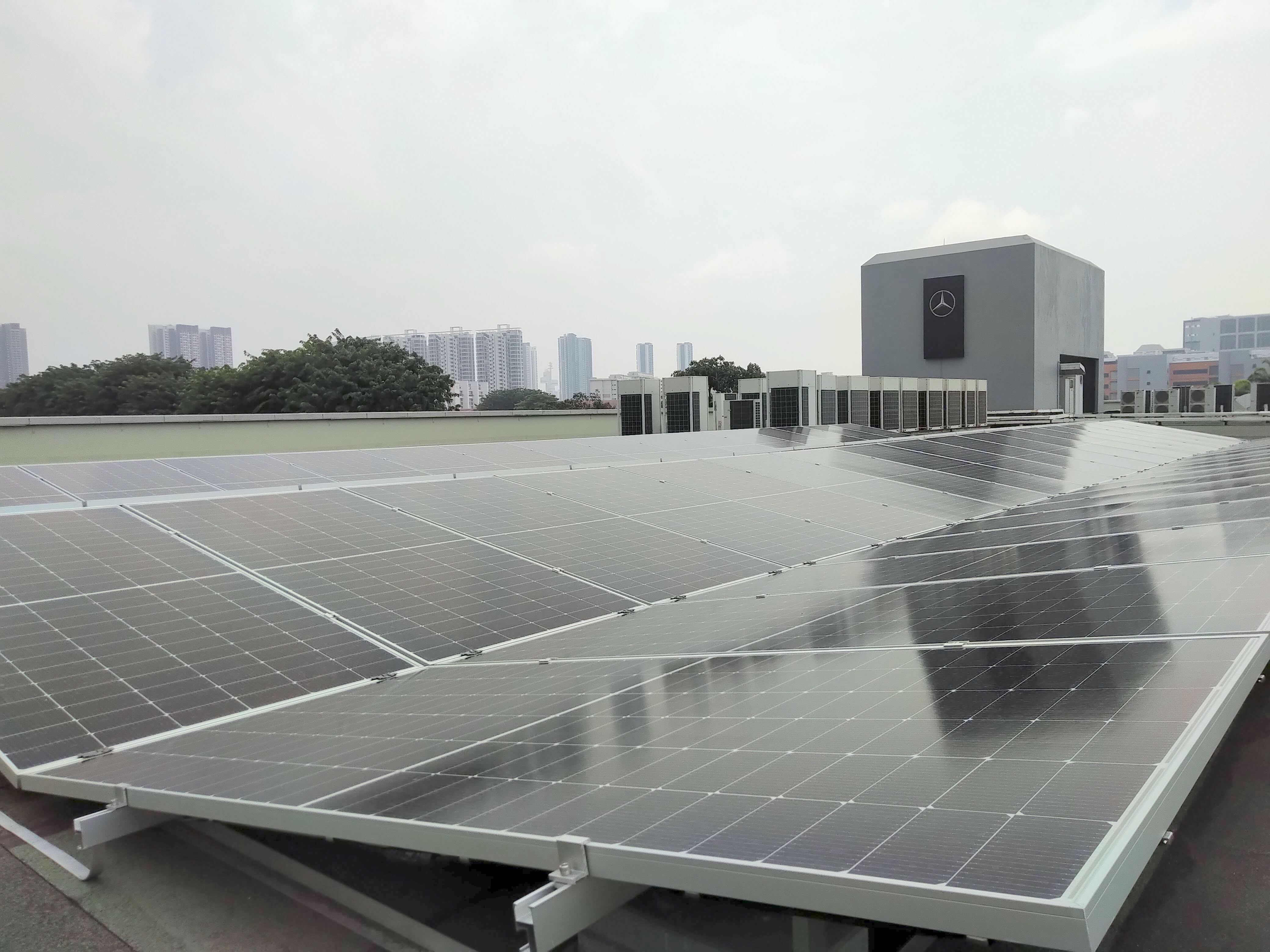
In the Commercial & Industrial (C&I) sector, solar procurement is not just a sustainability initiative, but also an engineering challenge. Poor EPC (Engineering, Procurement & Construction) choices can create long-term liabilities: leaks, structural strain, and expensive retrofits. So, when the directive comes to go solar, the question isn’t just about reducing electricity bills. The real concern is: how can you install a high-voltage power plant on your roof without jeopardizing safety, warranties, or day-to-day operations?
📌 TL;DR: Solar tender selection without surprises
- Vetting: Choose EPCs with in-house engineering and installation teams; avoid firms that outsource critical work.
- Hardware: Don’t settle for just “Tier-1” labels. Scrutinize inverter reliability and mounting systems that safeguard your roof warranty.
- Compliance: Ensure your quotation includes all regulatory submission costs (EMA, LEW, and SCDF).
- Monitoring: Insist on panel- or string-level monitoring for accurate system performance and ROI tracking.

1. The accountability factor: in-House vs. subcontracted labour
Many solar firms in Singapore focus heavily on sales but outsource construction to third-party contractors. While this keeps costs low, it fragments accountability, and that means if something goes wrong, no one truly owns the problem.
Operations professionals should look for EPCs with dedicated in-house teams across engineering, procurement, installation, and maintenance. This approach ensures:
- Direct communication between design and on-site teams.
- Standardized workplace safety (bizSAFE Star or equivalent).
- Consistent workmanship and smoother handover to your maintenance crew.
An EPC with true end-to-end capability treats your solar system as a long-term performance asset, not just a short-term installation job.
2. Protecting the asset: roof integrity and mounting systems
Chief Engineers’ biggest concern? Leaks. For facilities with sensitive operations like food processing, pharmaceuticals, or hotel suites, a single water ingress incident can destroy thousands in equipment or inventory.
High-quality EPCs design solar systems that preserve your roof’s warranty and structure. Look for:
- Non-penetrative mounting systems (e.g., clamp-on for standing-seam metal, ballasted for flat concrete roofs).
- PE-certified structural load calculations verifying that your roof can safely support the system weight.
- Detailed waterproofing plans, including reinstatement and inspection procedures.
If your EPC proposal doesn’t clearly cover these details, that’s a red flag. It means they may be viewing your roof purely as panel space, not as a critical part of your asset.
3. Navigating the regulatory landscape with precision
Solar deployment in Singapore is bound by a network of approvals and safety standards. Cost “surprises” often arise when low-cost EPCs omit key regulatory services, leaving building owners to manage them mid-project.
A competent EPC handles all regulatory submissions end-to-end, including:
- EMA licensing for grid connection.
- Licensed Electrical Worker (LEW) endorsement and commissioning tests.
- SCDF fire safety compliance for rooftop installations.
The right EPC serves as your technical partner in ensuring full compliance before power generation begins.
4. Performance monitoring and long-term operations
Solar systems are 25-year assets, not one-time installs. Once commissioned, performance visibility becomes essential to protect the ROI presented on paper.
Your EPC should provide a digital monitoring platform that offers:
- Real-time data at the string or panel level.
- Indexed reporting against expected system performance.
- Alerts for inverter faults or production gaps.
This data allows operations teams to diagnose issues quickly. Advanced monitoring ensures your ROI projections continue to reflect real-world performance, year after year.
🔎 FAQ
Q: Will the panels compromise my roof structure?
A: A certified EPC will conduct a structural load study and obtain a Professional Engineer (PE) endorsement before installation. Most commercial roofs in Singapore are designed to accommodate solar systems safely once verified.
Q: Why do EPC quotations vary so much in price?
A: The largest cost variations typically involve inverter brands, mounting materials, and whether regulatory and engineering fees are included. Low quotes often exclude these, leading to budget overruns later.
Q: What happens if my inverter fails after a few years?
A: The inverter lifespan averages 10–15 years, shorter than the solar panels (25+ years). Your procurement plan should include midlife replacements and warranty coverage for minimal downtime.
Q: How disruptive is the installation process?
A: A professional EPC deploys scaffolding and safety systems designed to minimize impact on operations. For factories or hotels, work is scheduled around quiet hours to reduce disruptions.
Q: Can solar integrate with my existing building management system (BMS)?
A: Yes. Many modern inverter platforms allow API integration with existing BMS dashboards for energy and sustainability reporting.
Avoid the pitfalls of low-cost tenders and short-term fixes. A solar system should be an energy investment, not an operational risk.
If you’re managing a tender for a factory, warehouse, or hotel, talk to Eigen Energy. Our in-house engineers design systems optimized for long-term reliability, compliance, and safety, ensuring your solar installation delivers smooth performance without costly surprises.
📞Contact us today to request a Solar EPC Evaluation or set up a consultation with our engineering team.