The complete solar procurement checklist for Operations Managers
A practical checklist for operations managers comparing solar EPC quotes in Singapore covering design, pricing, compliance, warranties, and long-term value.

Whether the site is a warehouse, industrial facility, or landed office complex, choosing the right Engineering, Procurement, and Construction (EPC) partner determines whether solar becomes a dependable asset. With multiple quotations on the table, varying system designs, and wide cost differences, it can be difficult to distinguish between a competitively priced proposal and one that quietly compromises on quality or compliance.
This article serves as a practical solar procurement checklist designed to help Operation Managers compare EPCs objectively, interpret quotations accurately, and secure long-term value from your solar investment.
📌 TL;DR: The Solar Procurement Essentials
- Lowest cost does not equal lowest risk. Evaluate EPCs on capability, not just price
- Compare quotations using a consistent scope to avoid hidden exclusions
- Prioritise component warranties and local after-sales support
- Assess system design quality, not just installed capacity
- Work with EPCs experienced in Singapore’s regulatory and grid-connection processes

Evaluate EPC experience and track record
An experienced EPC partner adds value well before installation begins. Look for companies with:
- A proven track record in Singapore’s commercial and industrial (C&I) solar sector
- Completed projects similar in scale, roof type, or operational environment
- Familiarity with EMA, BCA, SP Group, and SCDF requirements
- Strong safety practices aligned with WSH standards
Request references, project case studies, or site visit opportunities where possible. A reputable EPC should be transparent about past work and performance outcomes.
2. Understand the full scope of supply and services
A common procurement pitfall is comparing quotations that are not truly equivalent. A reliable EPC will present a clearly structured proposal that outlines what is included from design through commissioning and what, if anything, is optional. This transparency allows operations managers to compare proposals on equal footing and avoid unexpected costs after contract award. At minimum, ensure each quote covers:
- Components: specified brands and models for panels, inverters, and mounting systems
- System design: installed capacity, expected annual generation (kWh), and yield simulations
- Electrical integration: cabling, isolators, breakers, and switchboard connections
- Permits and approvals: EMA licensing, SP Group grid application, SCDF fire safety clearance
- Monitoring: real-time performance dashboards and fault alerts
- Operations & maintenance: inspection frequency, cleaning scope, and response times
Clear separation of material costs, labour, and optional upgrades (such as batteries or EV charging readiness) signals a transparent EPC.
3. Assess component quality and warranties
Solar panels are often the most visible part of a system, but they are rarely the weakest link. In reality, inverters, electrical components, and mounting systems are more likely to affect long-term reliability and maintenance requirements. Key considerations for Operation Managers include:
- Solar panels: tier-1 manufacturers with 25-year performance warranties and 10–12-year product warranties
- Inverters: high efficiency (97–99%), 10–15-year warranty, and local service support
- Mounting systems: corrosion-resistant materials rated for Singapore’s tropical climate
Confirm that warranty claims can be handled locally. Overseas-only support can lead to prolonged downtime when issues arise.
4. Review system design and sizing philosophy
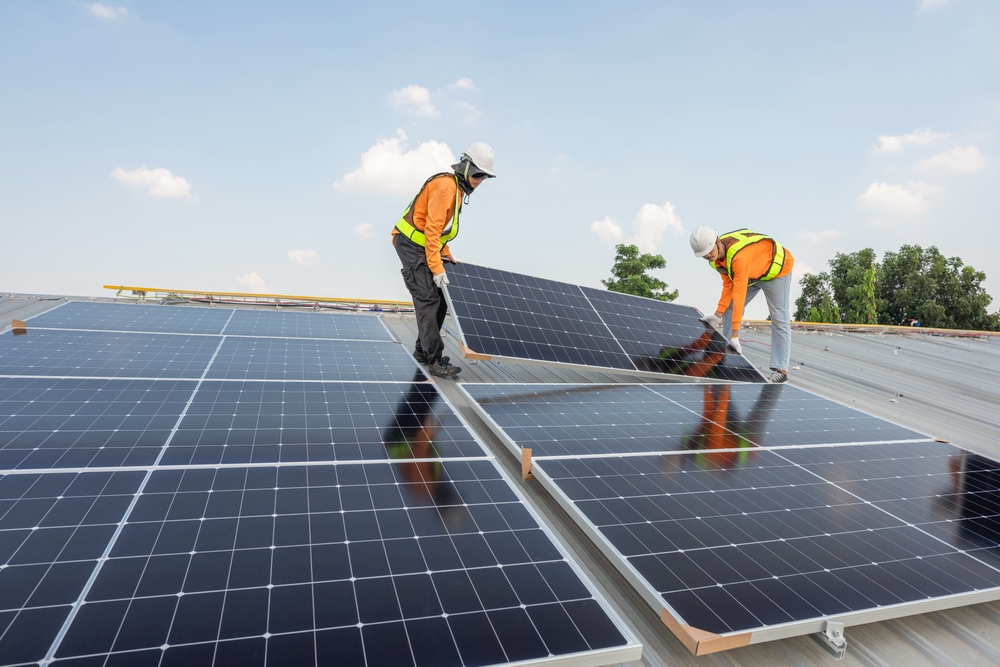
A professionally designed solar system is never a one-size-fits-all solution. Each roof has unique structural characteristics, shading conditions, and electrical constraints that should be reflected in the design. A credible EPC will conduct proper site analysis and provide realistic energy generation estimates based on recognised simulation tools. Overly optimistic projections may look attractive in a proposal but often indicate insufficient engineering rigor.
A robust design process should include:
- Shading and irradiance analysis using recognised tools
- Optimised panel orientation and tilt based on roof geometry
- Structural load assessments for wind and rainfall conditions
- Detailed electrical single-line diagrams and string layouts
Request realistic annual generation estimates and understand the assumptions behind them.
5. Interpret pricing and ROI beyond headline cost
While cost is an important consideration, it should be evaluated alongside performance and risk. Two systems with similar prices may deliver very different energy yields and maintenance requirements over time. Rather than focusing solely on total project cost, operations managers should assess projected annual generation, estimated payback period, and long-term savings. Useful benchmarks include:
- Cost per installed kWp for commercial rooftops
- Projected annual energy yield versus system cost
- Estimated payback period (typically 5–8 years in Singapore)
- Lifecycle cost analysis over 25 years, including degradation and maintenance
A well-prepared EPC will be able to explain these assumptions clearly and provide a lifecycle perspective, not just a short-term financial snapshot.
6. Clarify maintenance, monitoring, and after-sales support
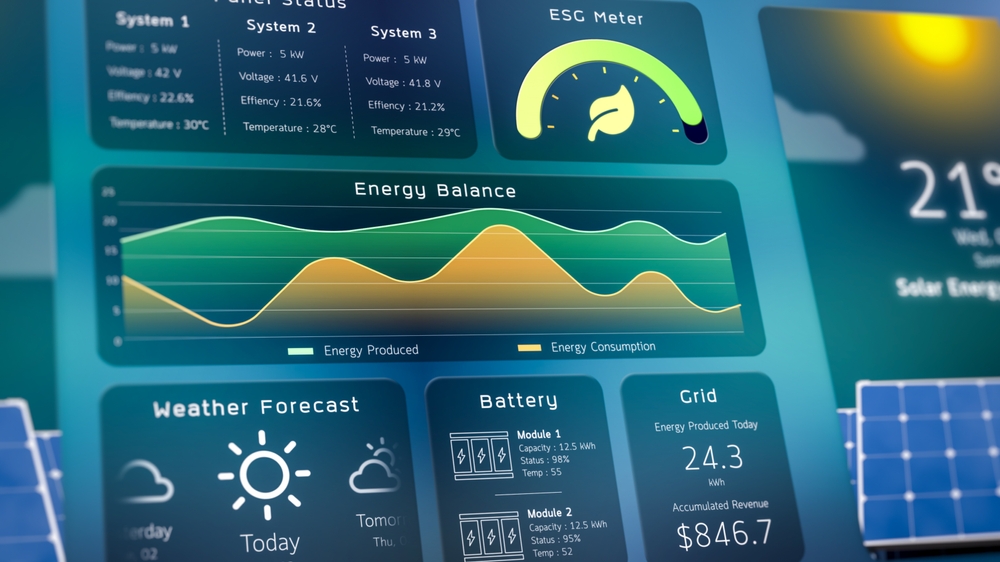
Solar systems are generally low maintenance, but they still require oversight. Continuous monitoring allows performance issues to be identified early, while periodic inspections help maintain efficiency and safety.
Operations managers should confirm who is responsible for monitoring, how faults are reported, and how quickly issues are addressed. Clear service commitments indicate that the EPC views the project as a long-term partnership rather than a one-off installation. Confirm that the EPC provides:
- Preventive inspections and cleaning schedules
- Continuous performance monitoring with alert notifications
- Clear response times for troubleshooting and repairs
- Performance degradation benchmarks
Reliable after-sales support ensures your system continues to meet energy and ESG targets well beyond commissioning. Eigen Digital's energy platform allows Operation Managers to sustain visibility over your system generation, discover their solutions here: Eigen Digital
7. Verify regulatory and grid compliance capability
In Singapore, solar installations are subject to multiple regulatory approvals. These processes are not optional, and failure to manage them properly can delay commissioning or expose building owners to compliance risks. For operations managers, regulatory competence is essential to protecting the building and its occupants.
This includes:
- EMA submissions by a Licensed Electrical Worker (LEW)
- SCDF fire safety documentation
- SP Group grid interconnection approvals
- Lightning protection and electrical safety compliance
An experienced EPC will incorporate approval timelines into the project schedule and minimise delays.
8. Evaluate long-term strategic value
Beyond immediate savings, consider how solar fits into your broader operational strategy:
- Annual carbon emissions avoided
- Alignment with ESG, Green Mark, or sustainability reporting goals
- Integration with building management systems
- Future readiness for EV charging or energy storage
Operations managers should consider whether the system design allows for future expansion, integration with EV charging, or compatibility with energy storage solutions. An EPC that understands these considerations can help future-proof your investment.
🔆 Ready to assess your solar options?
Contact our solar analyst for a professional consultation and detailed EPC evaluation. We’ll help you compare designs, quotations, and systems so you can make an informed, future-proof investment.
🔍 FAQ
Q: Should I accept the lowest-cost EPC bid?
A: Not always. A lower quote may use substandard components or exclude critical services like permits and O&M. Always compare total value, not just price.
Q: What’s included in a turnkey EPC project?
A: Design, engineering, procurement of components, installation, grid connection, and maintenance. Essentially, a complete solar solution.
Q: How often should a solar system be maintained?
A: Twice a year for cleaning and inspection is typical; performance monitoring should be continuous.
Q: Does solar installation disrupt building operations?
A: Professional EPCs schedule work to minimize disruptions and adhere to safety and noise regulations.