
Operator's guide to charging station performance
This guide explains the key KPIs behind EV charger performance, the monitoring stack required, and the optimization levers operators can use to improve uptime, user experience, and network profitability.
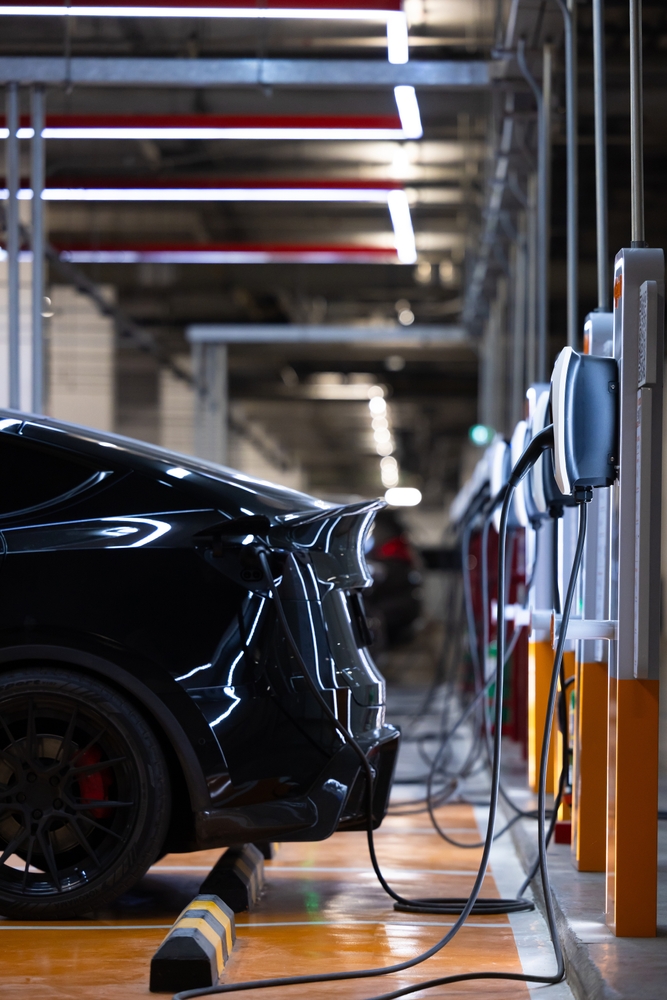
For operators, performance management goes beyond simply keeping chargers online. It’s about understanding utilization patterns, optimizing energy use, improving user experience, and guiding capital allocation. A high-performing network isn’t just operationally smooth; it becomes a strategic asset that drives brand loyalty and long-term profitability.
This operator’s guide breaks down the performance metrics that matter, the monitoring tools required to track them, and the optimization strategies that help you get the most out of your charging network.
📌 TL;DR - metrics, monitoring & optimisation
- Charging station performance sits on three pillars: uptime, utilization, and user experience.
- High-performing public and fleet networks target 97–99% uptime.
- Five critical daily metrics: availability %, sessions per charger per day, kWh throughput, session success rate, and power delivery vs. rated capacity.
- Performance depends on robust firmware, OCPP stability, reliable payment flows, and proactive maintenance.
- Optimization focuses on load balancing, pricing strategy, charger placement, preventive maintenance, and analytics-driven planning.

While a charging station may operate for over a decade, its day-to-day reliability determines user trust and the network’s financial health. Downtime directly leads to frustrated drivers, lost revenue opportunities, and diminished reputation, while a consistently dependable network increases utilization, attracts key fleet and repeat users, and maximizes return on investment.
Effective performance management is essential to reduce operational costs, uplift station use, minimize complaints, and strengthen your brand, making continuous monitoring and optimization a necessity.
Three core metrics every operator needs to know:
Uptime: measures the percentage of time chargers are operational and accessible, with top-tier networks aiming for at least 97–99%. Disruptions from hardware glitches, firmware issues, or power supply interruptions can negatively impact both customer satisfaction and revenue.
Utilization: this tracks how much each charger is actively used. Operators monitor sessions per charger per day, accumulated charging hours, and total energy delivered. This data helps spot high-performing assets, identify poor locations, and reveal where expansion or upgrades might be needed.
User experience: technical uptime isn’t everything. Drivers are most frustrated by failed or slow charging sessions. Ensuring high session success rates, smooth payments (app, RFID), and clear instructions helps drive repeat engagement and positive word-of-mouth.
To ensure this, there are 5 essential performance KPIs every operator should track daily:
- Availability percentage: Are chargers online and ready to serve?
- Sessions per charger per day: Measures utilization; public fast chargers often see 4–8 sessions daily, while workplace chargers average fewer.
- Energy throughput (kWh): Indicates whether stations deliver enough volume to justify capital investment.
- Session success rate: Tracks what portion of sessions complete as intended. Healthy networks keep this figure above 95% by resolving payment, software, and connector issues.
- Power delivery vs. rated capacity: Consistently low output from high-power chargers signals hardware underperformance or grid constraints.

Monitoring infrastructure
Successful operators invest in a Charge Point Management System (CPMS) with real-time telemetry via Open Charge Point Protocol (OCPP). This enables instant tracking of charger status, fault codes, queueing, and energy output.
Monitoring payment and authentication is equally critical. Failures here are a leading cause of session dropouts, ensuring uptime, system stability, and seamless app or RFID authentication greatly improves driver confidence.
Read more here: The Ultimate Guide to Charging Station Management System Capabilities
Optimizing your network
Smart charger placement: grow networks where usage justifies expansion. Upgrade or relocate underused chargers and provide more powerful units where needed.
Firmware and interoperability upgrades: keep all sites updated with the latest, stable firmware. Strong interoperability minimizes failed sessions, especially as new EV models enter the market. Read our article Creating a Seamless EV Experience: Roaming and Interoperability to find out more.
Dynamic load management: with rising energy costs, smart load management prevents excessive demand charges and aligns charging patterns with lower-tariff periods, optimizing both cost and sustainability.
Pricing strategies: strategic tariffs like time or energy-based pricing, idle fees, or off-peak discounts smooth out demand and maximize station use. Read our article on Revenue Models for Malls & Commercial Properties if you're interested to know more!
Proactive maintenance: routine checks and scheduled replacement of wear-prone parts (connectors, cooling systems) sharply reduce unexpected downtime, protecting uptime and maximizing financial returns.

FAQ - guide to charging station perfomance
1. How often should charger firmware be updated?
At least quarterly or when OEMs release critical patches.
2. What’s the average lifespan of a DC fast charger?
Typically around 10 years, depending on site conditions and maintenance.
3. What most affects session success rates?
Stable firmware and robust EV-to-charger communications are key.
4. Why use a CPMS for network growth?
It centralizes visibility for uptime, pricing, power use, maintenance, and reporting, vital for scaling up.
5. Can pricing reduce peak demand?
Yes, dynamic tariffs and idle fees influence driver behavior and reduce congestion at busy times.
Ready to future-proof your charging network? Eigen Digital empowers operators with real-time monitoring, predictive alerts, and strategic optimization.
