Zero downtime EV charger installation for warehouses
Explore how warehouse and logistics operators can deploy EV charging infrastructure without disrupting daily operations. This article outlines practical strategies to ensure business continuity while scaling EV adoption.
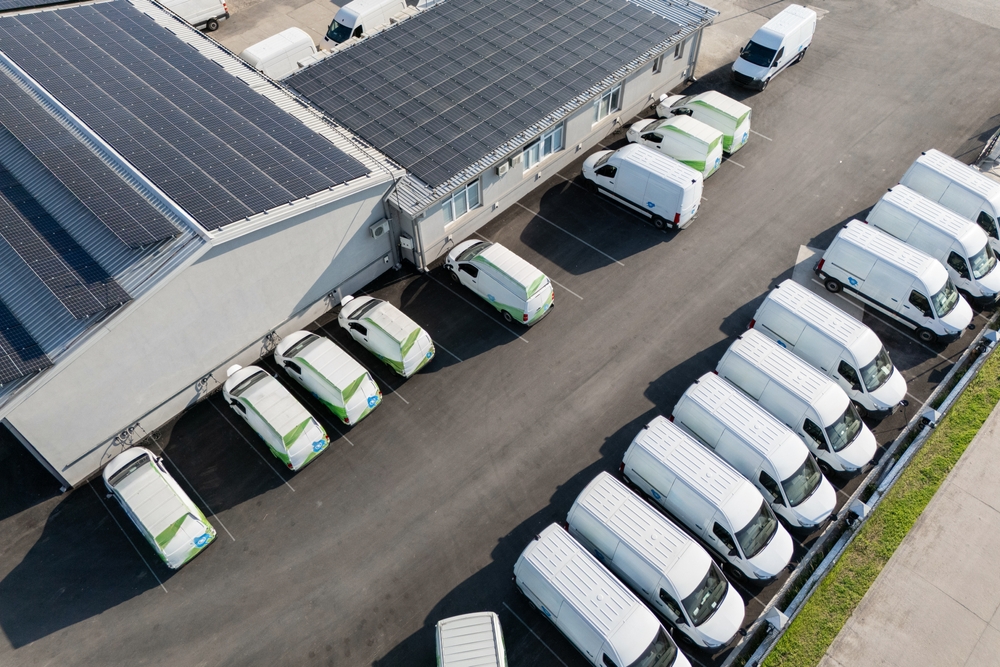
For warehouse operators, downtime is not just inconvenient, it is expensive. Every hour of disrupted loading, dispatch, or fleet movement directly impacts revenue, service levels, and customer commitments. This is why EV charger installation in logistics environments must be approached differently. Unlike office buildings or public carparks, warehouses operate on tight schedules, high vehicle turnover, and often 24/7 workflows.
The goal is clear: deploy EV charging infrastructure without interrupting operations. This article outlines how leading operators achieve near zero-downtime installation through careful planning, smart system design, and operational alignment.
TL;DR
- Plan around operations first, not charger specifications
- Use phased installation to avoid large-scale disruption
- Schedule installation during off-peak or low-activity periods
- Remote monitoring and preventive maintenance ensure long-term uptime
- Centralised systems improve control and reduce operational risks

Start with operations, not hardware
A common mistake is starting with charger specifications instead of understanding how the warehouse actually runs. In reality, charging infrastructure must fit into existing operations, not the other way around. This means looking closely at fleet movement schedules, loading bay usage, shift patterns, and peak electricity demand periods. The key question isn’t “how many chargers do we need?” but rather “when and where can vehicles charge without disrupting operations?”
By identifying natural idle windows and dwell times, operators can design charging systems that integrate smoothly into daily workflows without forcing operational pauses.
If you are considering AC or DC chargers, you might be interested in this article: Who is fast charging for? Key considerations for businesses
Phase the installation to minimise disruption
Zero downtime doesn’t mean doing everything at once. It means installing in a way that avoids large-scale disruption. Most successful projects use a phased approach, where only small sections of the depot are worked on at any given time. While one area is under installation, the rest of the site remains fully operational. Installation zones can also be rotated based on operational priorities. This approach keeps fleet movement uninterrupted and reduces risk. If any issue arises during one phase, it can be resolved before expanding across the entire site.
Schedule around warehouse activity
Warehouses typically operate on predictable cycles. Installation should work around these cycles. Many operators carry out works during night shifts, low-activity windows, or weekends. Close coordination with operations teams ensures that installation does not clash with peak dispatch or delivery periods. Even technically sound projects can cause disruption if they are not aligned with real-world operations. Timing matters just as much as engineering.
If you have an EV fleet, this article might interest you: Designing efficient EV fleet depots
Design for reliability from day 1
Avoiding downtime doesn’t stop at installation, it extends into daily operations after the system goes live. Reliable charging infrastructure depends on strong system design. This includes remote monitoring capabilities, modular components that can be quickly replaced, and a structured preventive maintenance plan. Modern systems can detect faults early and often resolve issues remotely, reducing the need for on-site intervention. Regular inspections further ensure that small issues are addressed before they become major disruptions. In high-utilisation environments like warehouses, this level of reliability is essential.
Prioritise safety throughout the process
In the push to install quickly, safety should never be compromised especially in busy warehouse environments. Proper spacing between chargers, good cable management, and adequate ventilation all contribute to safer operations. Engaging licensed and experienced installers is critical when dealing with high-voltage systems. A safe installation not only ensures compliance but also prevents incidents that could lead to far greater downtime than the installation itself.
Use centralised management for better control
As charging infrastructure scales, managing multiple chargers manually becomes inefficient. A centralised charging management system gives operators full visibility and control. It allows real-time monitoring, energy optimisation, fault detection, and prioritisation of fleet vehicles. Without this level of control, even well-installed systems can lead to inefficiencies and bottlenecks. Centralisation ensures the entire charging network operates as a cohesive system.
FAQ
Q: Is zero-downtime EV charger installation actually possible?
A: True zero downtime means reducing disruption to near zero. With proper planning, phased installation, employee readiness and temporary infrastructure, most warehouses can continue operating smoothly during deployment.
Q: How long does installation typically take?
A: It depends on the size of the project, but most warehouse installations are carried out over several weeks using phased deployment while keeping operations running.
Q: What is the biggest risk during installation?
A: Electrical disruption and poor coordination with operations teams. Both can be avoided with proper planning and experienced partners.
Q: Will parts of the warehouse need to shut down?
A: Only small sections at a time, if needed. A phased approach ensures most of the facility remains operational.
Q: How can we maintain uptime after installation?
A: Through remote monitoring, preventive maintenance, and system designs that allow quick repairs and minimal disruption.
Warehouse electrification doesn’t have to come at the cost of operational disruption.
At Eigen Energy, we design and deploy EV charging infrastructure that works around your operations. From phased installation to intelligent load management and centralised control, we ensure your transition to electric is seamless from day one. Speak to our team today to build your zero-downtime EV charging strategy.