
Who is fast charging for? Key considerations for businesses
Discover who benefits most from EV fast charging in Singapore. Learn why commercial properties, fleet operators, and fuel retailers need fast chargers, plus key factors to consider before installation.

While AC chargers suit residential and workplace settings where vehicles are parked for long hours, fast charging (DC charging) is increasingly vital for businesses that need speed, high turnover, and operational efficiency. From shopping malls to fleet depots and fuel station operators, the right fast charging infrastructure can transform how businesses serve customers and manage vehicles.
But DC charging requires more planning than simply installing a faster plug. It’s about aligning infrastructure with your business model, site constraints, and long-term energy strategy.
📌 TL;DR
- Fast charging suits high-turnover locations and fleets where downtime must be minimized.
- Commercial properties like malls or offices benefit from DC chargers by attracting EV-driving visitors.
- Fleet and logistics operators rely on fast charging to keep vehicles moving and reduce operational bottlenecks.
- Fuel retailers and large operators can integrate fast charging into their network with the right system integrator.
- Key considerations include electrical capacity, energy management, cost of installation, scalability, and user experience.
Who is Fast Charging For? 🤔
1. Commercial Properties with High Visitor Turnover
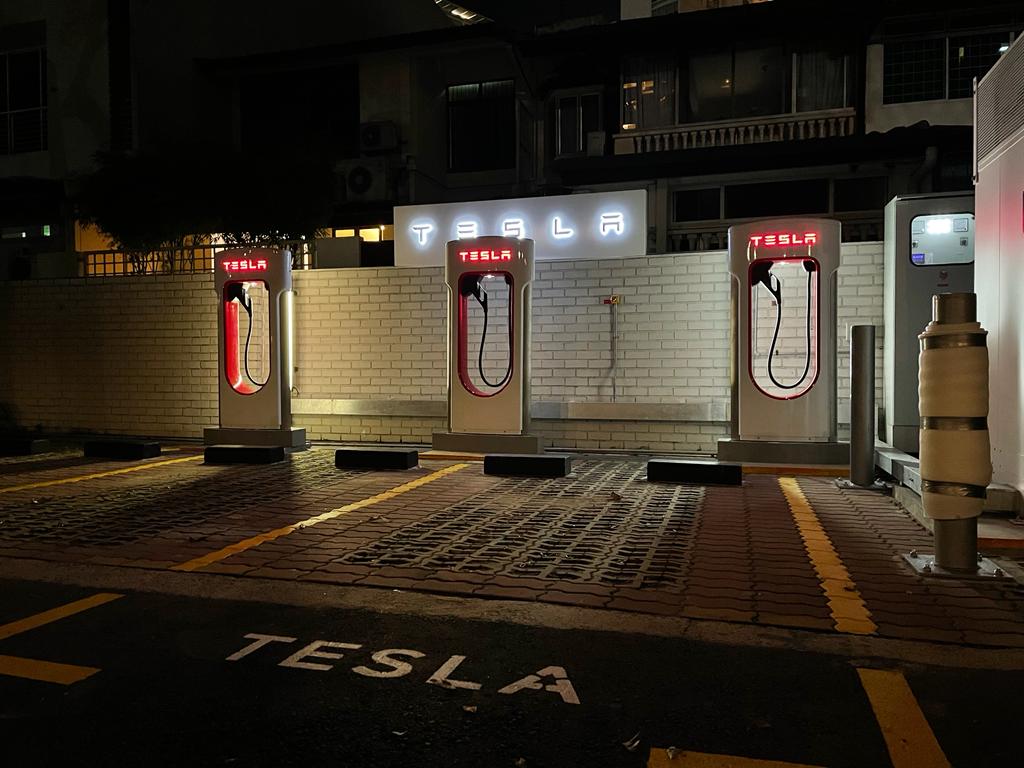
Shopping malls, office complexes, and mixed-use developments often face short dwell times. Shoppers and tenants may not stay long enough for slow AC charging to make sense. By offering DC fast charging, property owners can:
- Increase foot traffic by appealing to EV drivers.
- Enhance tenant and visitor satisfaction.
- Differentiate themselves in a competitive commercial real estate market.
For properties, fast charging is a way to future-proof and create additional revenue streams through pay-per-use charging.
2. Logistics and Fleet Operators
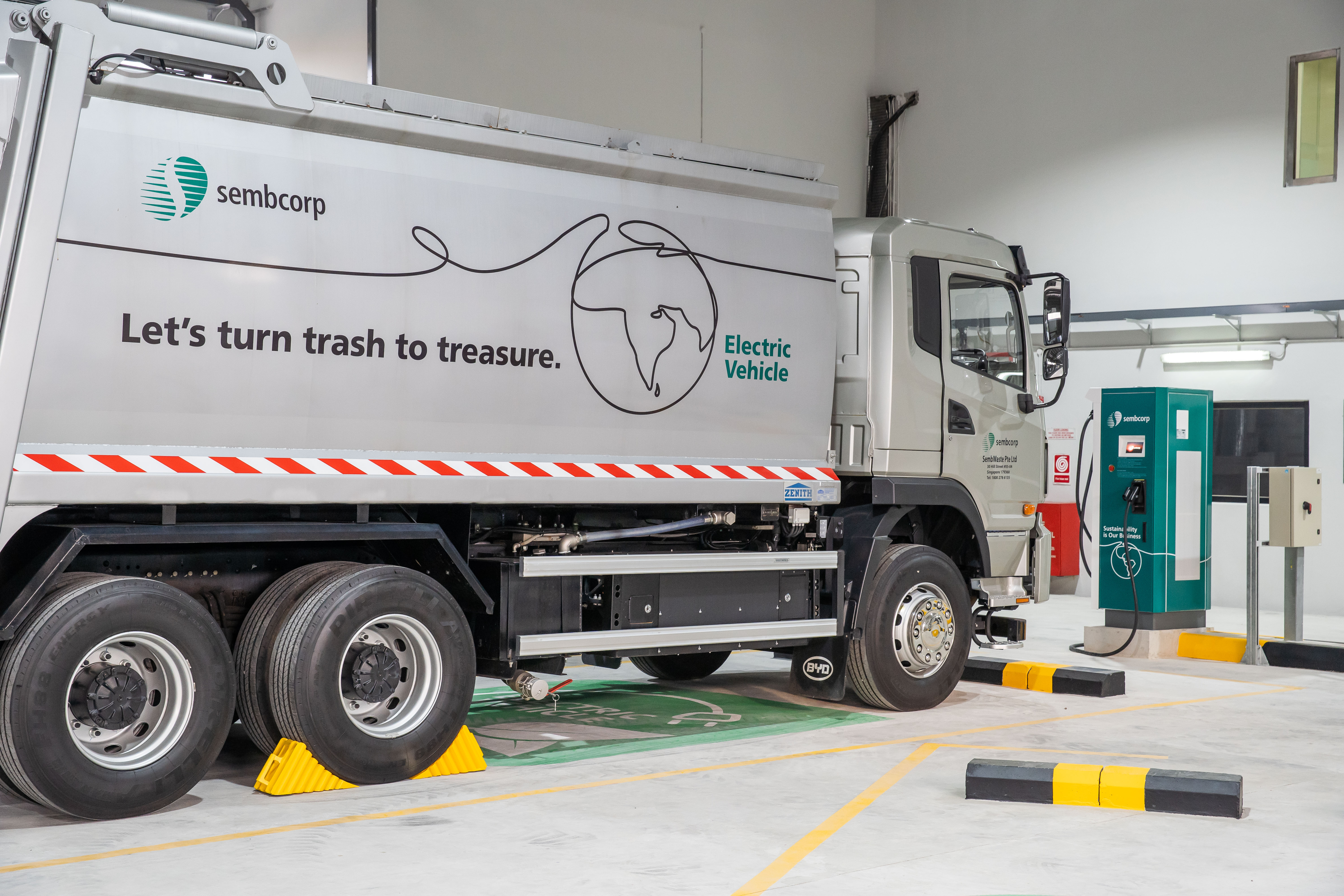
In logistics, time is money. EV fleets can’t afford long charging downtimes, especially for last-mile deliveries or high-mileage commercial vehicles. DC fast charging enables:
- Rapid turnaround, reducing vehicle idle time.
- Scheduled charging that aligns with fleet operations.
- Scalability as fleet size and demand grow.
With Singapore mandating greater electrification for commercial vehicles, operators who adopt fast charging early gain a significant operational advantage.
3. Fuel Retailers and Large-Scale Operators
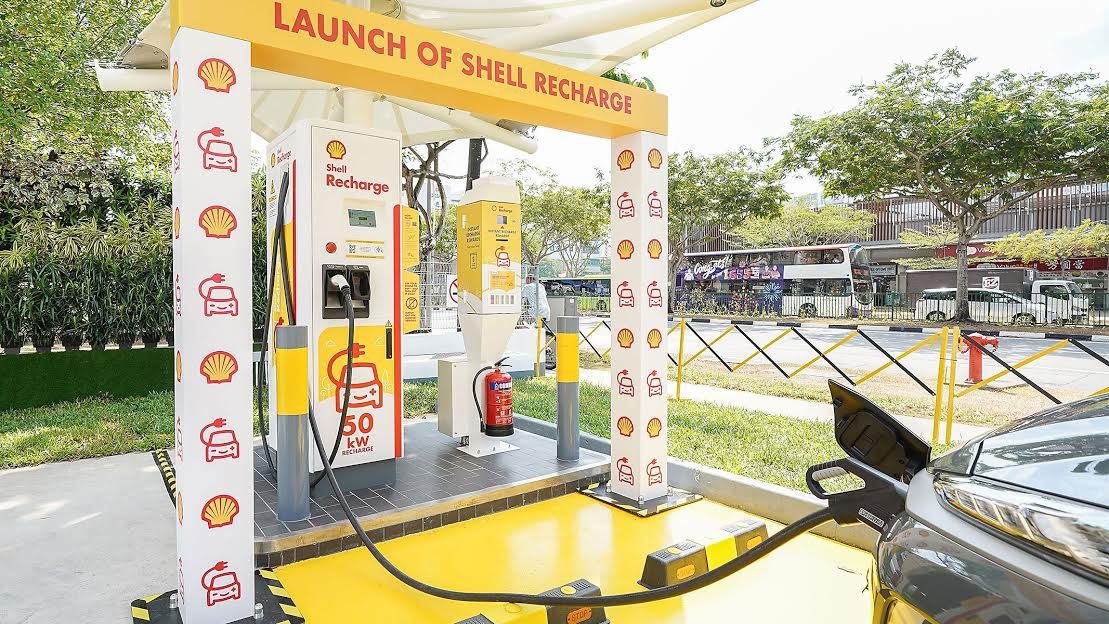
Global and regional energy companies like Shell and Sinopec are rapidly expanding EV charging networks in Asia. For these operators, fast charging matches the refueling experience that customers expect.
- Requires high-capacity chargers (50kW to 350kW+).
- Involves complex integration with payment systems, loyalty programs, and energy management tools.
- Demands a system integrator who can design, install, and manage both hardware and software seamlessly.
Eigen Energy works with operators to deliver turnkey solutions, ensuring compliance with Singapore regulations, integration with digital platforms, and long-term service support.
What to Consider Before Installing Fast Chargers 🤔
Electrical Capacity and Grid Upgrades
DC chargers demand significantly more power than AC. A 120kW charger can consume as much power as dozens of households. Businesses need to assess whether existing electrical infrastructure can handle this load, or whether upgrades are required.
Cost and ROI
Fast chargers involve higher upfront costs for both hardware and electrical works. However, they also offer stronger monetization opportunities—especially in public or semi-public locations where drivers are willing to pay a premium for speed.
Scalability and Future-Proofing
Plan for growth. Start with a few chargers, but design your electrical backbone, cabling, and switchgear to allow for expansion. This avoids costly rework as EV adoption accelerates.
Energy Management
Smart charging management is key. Load balancing, peak shaving, and integration with renewable sources (like solar PV) can help reduce electricity costs and improve sustainability.
User Experience
EV drivers expect reliability, easy payments, and a seamless charging process. A well-designed Charging Station Management System (CSMS) ensures chargers are visible, monitored, and always functioning.
🔍 FAQ: Fast Charging for Businesses
Q1. What’s the difference between AC and DC charging?
AC charging uses the vehicle’s onboard converter and is slower, typically 7–22kW. DC charging bypasses the vehicle’s converter and delivers power directly to the battery, ranging from 50kW to 350kW or more.
Q2. How much does it cost to install a DC fast charger in Singapore?
Costs vary based on charger capacity, site conditions, and electrical upgrades. A single fast charger installation can range from tens to hundreds of thousands of dollars. Working with a system integrator helps optimize both cost and efficiency.
Q3. Do I need government approval to install fast chargers?
Yes. Installations must comply with the Energy Market Authority (EMA) and Land Transport Authority (LTA) requirements, including electrical safety and fire code compliance.
Q4. Can my building support fast chargers without upgrading the grid connection?
It depends on your building’s spare electrical capacity. Load studies are essential to determine feasibility. In some cases, load balancing or solar integration can offset upgrades.
Q5. Who maintains the chargers after installation?
System integrators like Eigen Energy provide ongoing maintenance, monitoring, and software support to ensure uptime and reliability.
Fast charging is not for everyone, but for commercial properties, fleet operators, and fuel retailers, it’s becoming a strategic necessity. The right infrastructure, properly planned and integrated, enables faster turnaround, stronger customer engagement, and long-term growth.
Ready to explore fast charging for your business? Eigen Energy is Southeast Asia's leading renewable energy systems integrator, with over 100 successful installations and partnerships with industry leaders like Mercedes-Benz, DHL, and Shell. We deliver comprehensive electrical vehicle charging infrastructure tailored to your business needs from site assessments and regulatory approvals to installation and management. Contact us today to start future-proofing your property or fleet.