
Designing efficient EV fleet depots
Discover why designing your EV fleet depot with attention to layout, power infrastructure, and vehicle management matters more than charger speed. Learn best practices for reliable, efficient, and scalable fleet electrification.

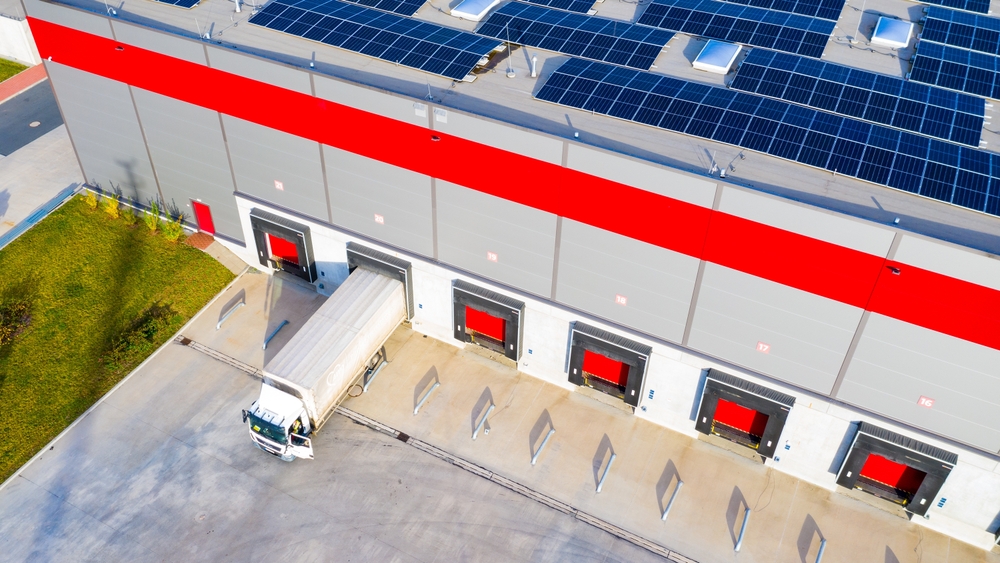
Fleet electrification success hinges not just on the charger’s speed but on how well the charging infrastructure is designed and integrated into depot operations. A poorly planned layout can cause congestion, underused chargers, or operational bottlenecks even if the chargers themselves are technically fast.
📌 TL;DR
- Depot design impacts charger utilization, fleet uptime, and operational costs more than peak charger speed.
- Charger placement should optimize vehicle flow, parking, and charging schedules.
- Power infrastructure upgrades and load management avoid costly downtime and demand charges.
- Maintenance access must be integrated into layout for consistent system reliability.
- Scalability and flexibility in design future-proof depots as fleets grow.

Charger placement
Effective depot designs position chargers to match vehicle sizes and parking habits while maintaining efficient ingress and egress. Clustering chargers too tightly or placing them with inadequate parking space can force frequent vehicle movements that disrupt schedules and reduce overall throughput.
Furthermore, intelligent monitoring and notification systems can aid ground teams by signaling when vehicles are fully charged or require repositioning, reducing idle charger times and enabling smoother operations.
Electrical infrastructure and load management
Fleet depots typically require significant power and may need grid upgrades to support simultaneous charging loads. Strategic load management systems dynamically allocate power among chargers to prevent overloads and minimize demand charges, helping manage operational costs effectively. Engaging with local utilities early ensures that power supply constraints are addressed in the initial design phase.
Maintenance access and reliability
Designs must account for ease of maintenance access around chargers, ensuring routine cleaning and repairs don’t hinder operations. Maintenance-friendly layouts also extend equipment lifespan and reduce unplanned downtime, critical for mission-essential fleets.
Scalability for the future
An effective depot layout includes provisions for future expansion. Whether adding more chargers, integrating renewable energy, or upgrading to faster technologies. Modular designs and flexible electrical infrastructure prevent costly retrofits as fleet sizes and technology demands evolve.
🔎 FAQ on EV fleet charging infrastructure
Q: Isn’t charger speed the most important factor for fleet electrification?
A: While charger speed matters, the overall depot design has a stronger impact on utilization, uptime, and operational efficiency. To find out more about fast charging, read our article: Who is Fast Charging For? Key Considerations for Businesses
Q: How does depot layout affect fleet operations?
A: Poor layout causes vehicle congestion and inefficient charging cycles, impacting fleet readiness and increasing operational costs.
Q: What role does electrical infrastructure play in depot design?
A: Adequate power capacity and load management prevent grid overloads and high demand charges, supporting reliable charging.
Q: Why is maintenance access important in depot design?
A: Accessible layouts allow regular maintenance without operational disruption, enhancing long-term fleet reliability.
Q: How can depot design support future fleet growth?
A: Modular infrastructure and flexible layouts make scaling easier as the number of EVs increases and technologies advance.
Is your fleet depot ready for the future of electrification? Eigen's turnkey solutions include expert consultation and a customized depot design solution that prioritizes operational excellence beyond just charger speed. Future-proof your fleet with smart, scalable charging infrastructure. Connect with us here: contact us


