Why EV charging apps feel fragmented and what’s really behind the differences
EV charging apps differ not because of design, but because of fragmented infrastructure. This guide explains why drivers need multiple apps, how roaming works, and what the future of EV charging access looks like.

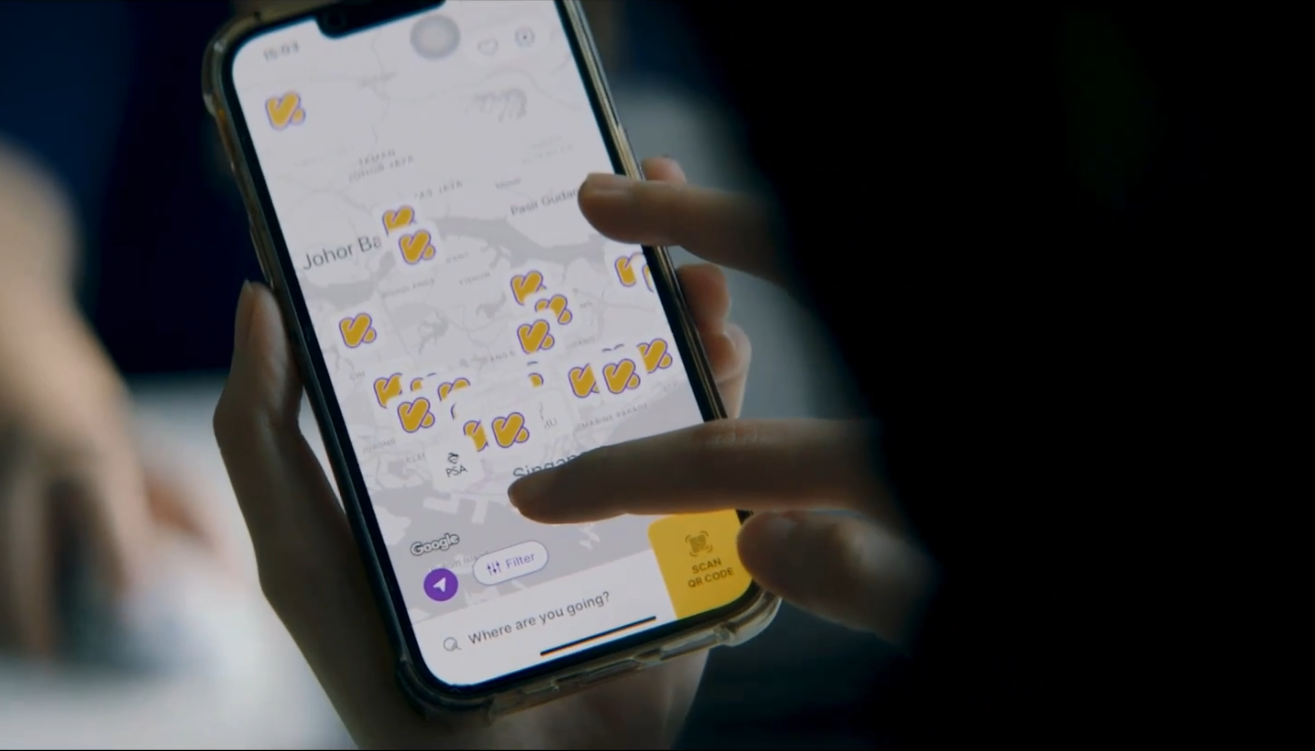
Many EV drivers share a similar frustration: downloading multiple charging apps just to ensure they can charge their vehicle when needed. One app works at one location, another is needed elsewhere, and payment experiences can vary widely from charger to charger.
At first glance, it may seem like EV charging apps differ simply because of design choices or brand preferences. In reality, these differences reflect something much deeper; the structure of the EV charging ecosystem itself. This article explains why EV charging apps feel fragmented today, what actually differentiates them, and how infrastructure, backend systems, and interoperability shape the charging experience drivers encounter on their screens.
📌 TL;DR - how charging apps are a reflection of the fragmented charging infrastructure
- EV charging apps differ because charging networks are fragmented
- Some apps serve a single operator; others connect multiple networks
- Differences stem from backend systems, not just app design
- Roaming and interoperability reduce app fragmentation
- The future of EV charging points toward fewer apps and smoother access
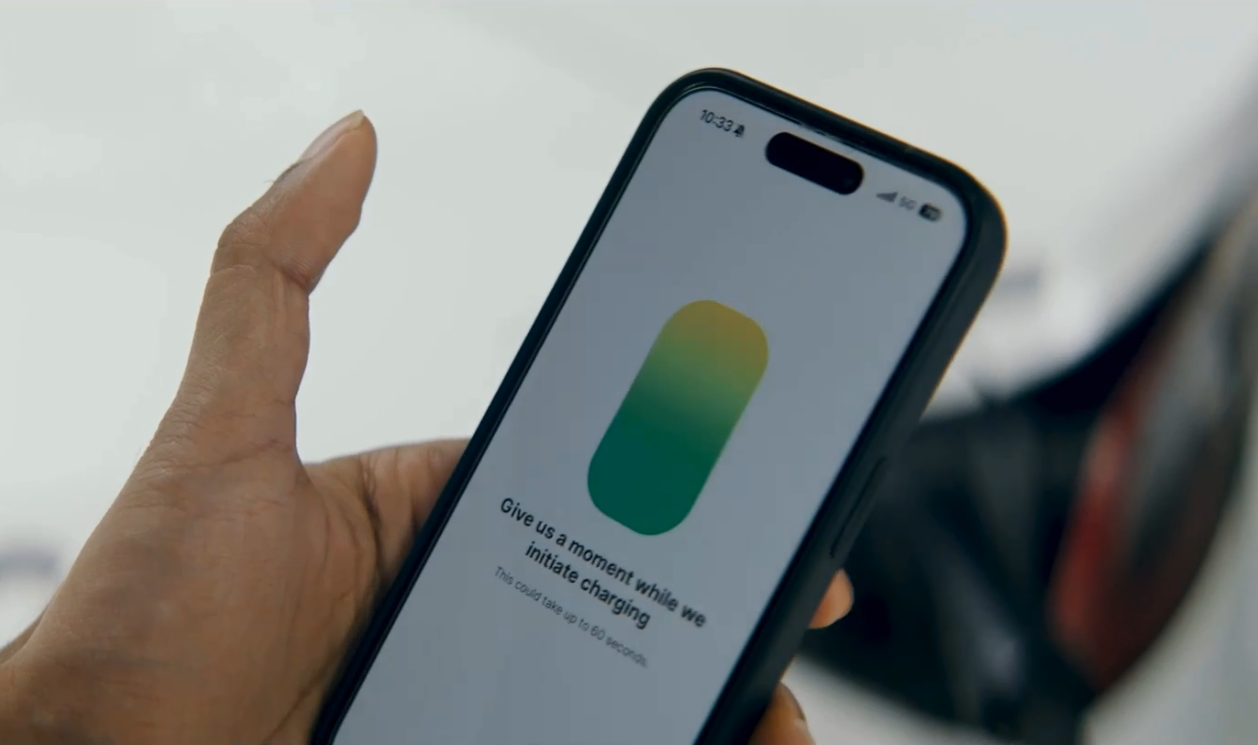
An EV charging app is often seen as a simple tool: find a charger, start a session, and pay for electricity. But behind the interface, an app acts as a bridge between the driver and multiple complex systems. Every charging session requires real-time communication between hardware, backend software, energy systems, and payment infrastructure. The app is merely the visible layer of that ecosystem. What it can or cannot do depends entirely on what sits behind it. This is why two apps may look similar but behave very differently once a driver plugs in.
The main types of EV charging apps
While there are many apps in the market, most fall into a few broad categories based on how they connect to charging infrastructure.
Some apps are tied to a single charging network. These are typically operated by Charge Point Operators (CPOs) and work only on chargers owned or managed by that operator. They often provide deep visibility into their own network but stop working the moment a driver moves beyond it.
Other apps act as aggregators. These connect drivers to multiple charging networks through roaming agreements, allowing access across different operators under one account. The experience may be broader, but the quality of data and control depends on how well those networks are integrated behind the scenes. The difference between these apps is not ambition or design, it is interoperability.
Why do EV drivers need multiple apps?
The short answer is that EV charging infrastructure did not grow as a single, unified system. Public charging networks were built independently by different operators, property owners, and investors. Each deployed their own hardware, backend software, pricing models, and customer access systems. Early on, there was little incentive or technical maturity to ensure these systems worked seamlessly together. As a result, drivers often need multiple apps to access chargers operated by different CPOs. The fragmentation drivers experience today mirrors the fragmentation that exists at the infrastructure and software level.
What actually differentiates EV charging apps?
The most important differences between EV charging apps are rarely visual. Instead, they are defined by how deeply the app is connected to the charging ecosystem. One major differentiator is network access. Some apps provide access only to a single operator’s chargers, while others enable roaming across many networks. This affects not just convenience, but also coverage and reliability.
Another key difference lies in real-time data quality. Charger availability, fault status, and charging speeds are only as accurate as the data flowing from backend systems. Poor integration leads to stale or misleading information, which directly impacts driver trust.
Payment models also vary. Some apps offer subscriptions, others pay-as-you-go, and some combine both. These differences are shaped by how charging sessions are settled between operators, roaming partners, and payment processors. Again, a backend challenge rather than a front-end one.
The role of roaming and interoperability
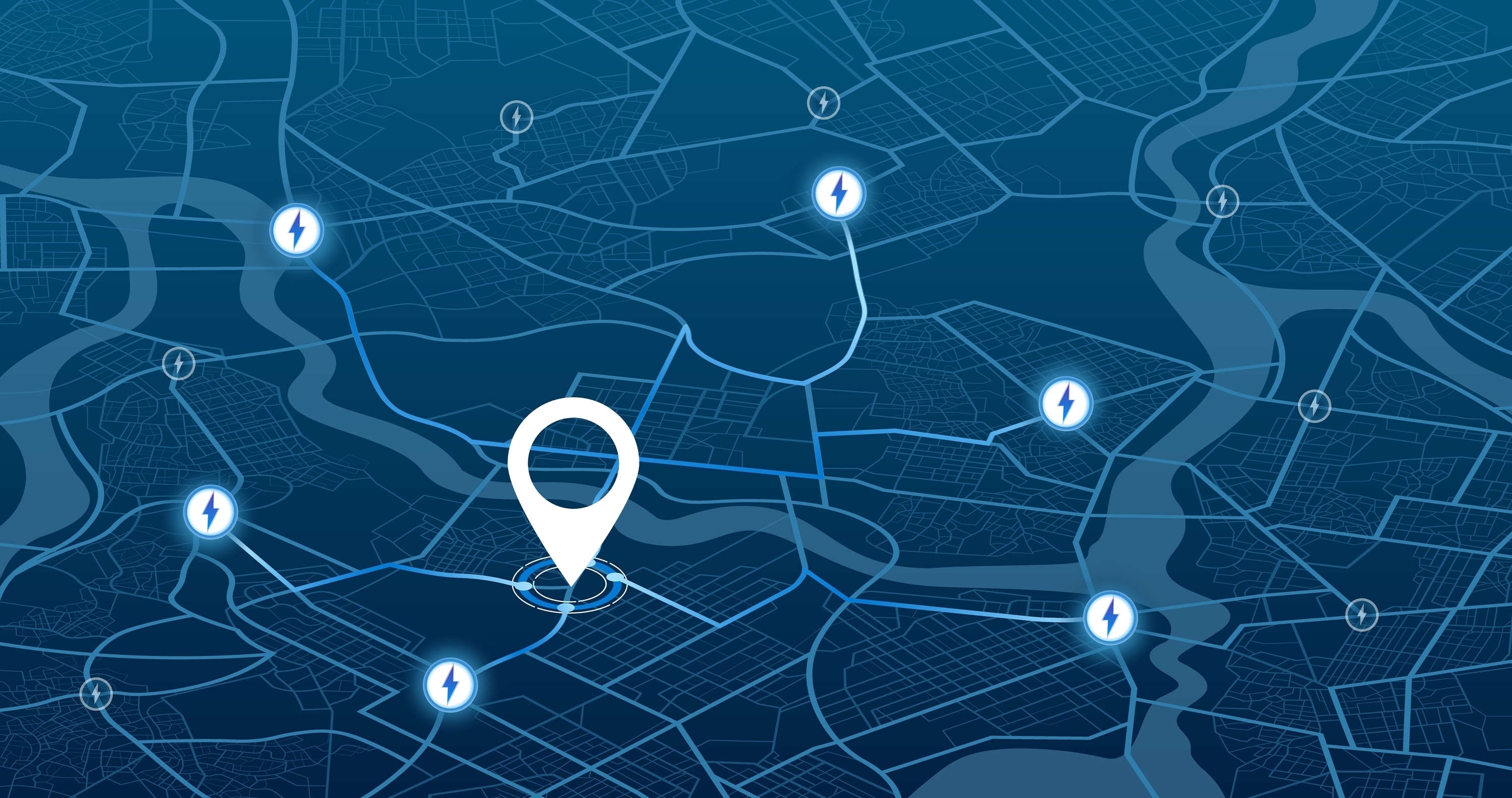
Roaming is what allows a driver to use one app to access chargers operated by multiple networks. Technically, this requires standardized communication between backend systems to exchange data on availability, pricing, authentication, and billing. When roaming works well, drivers experience fewer apps, consistent access, and predictable payments. When it doesn’t, fragmentation persists. From an infrastructure perspective, roaming is not an app feature. It is a system-level capability that depends on software architecture, commercial agreements, and data quality across operators.
Why app experience is downstream of infrastructure decisions
For property owners, operators, and investors, it’s important to understand that the driver experience does not start with the app. It starts with infrastructure design choices made long before the first charging session occurs.
Backend platforms determine whether chargers are visible to roaming partners, whether sessions can be authenticated reliably, and whether payments settle correctly. These decisions shape which apps can access a site and how well they function when they do. In other words, EV charging apps reflect the maturity of the infrastructure they connect to.
As EV adoption grows, the industry is gradually moving toward greater interoperability. Regulatory pressure, customer expectations, and operational efficiency are pushing networks to integrate more deeply. Over time, drivers should expect to rely on fewer apps, not more. Charging will feel less like navigating fragmented systems and more like accessing a shared utility. The apps that succeed will not necessarily be the most visually polished, but those built on robust, interoperable infrastructure.
FAQ
Q: Why can’t one EV charging app work everywhere?
Because charging networks are owned and operated independently, and not all systems are interoperable or part of roaming agreements.
Q: Are EV charging apps competing with each other?
Some are, but many differences arise from infrastructure limitations rather than direct competition.
Q: Will EV charging apps eventually disappear?
Apps will remain, but their role may shrink as access becomes more seamless and standardized.
Q: Does better backend software improve the app experience?
Yes. Reliable data, roaming capability, and payment integration all depend on backend systems.
EV charging apps are not the root cause of fragmentation, they are a reflection of it. Understanding the differences between apps means understanding how charging networks are built, connected, and operated. As infrastructure becomes more interoperable, the driver experience will naturally improve, reducing complexity without sacrificing choice. For the EV ecosystem to scale effectively, progress must happen beneath the surface where energy, data, and software meet.