
Which EV charging solution is right for your fleet depot
Singapore fleet operators demand reliable, high-capacity EV chargers with scalable tech and smart control. Explore leading solutions tailored for depot needs.
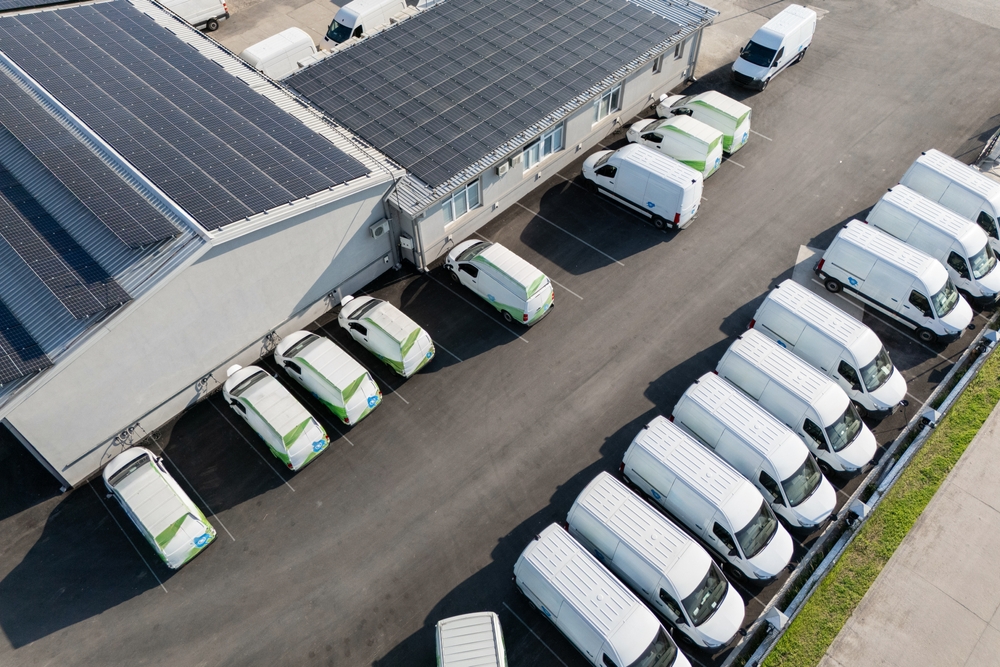
As companies electrify their fleets, choosing the right charging setup becomes a strategic decision not just a hardware purchase. Depot charging must balance predictable fleet schedules with energy limitations, space constraints, and the need for reliability. The right solution ensures smooth turnarounds, controlled energy costs, and long-term scalability.
📌TL;DR
- Fleet depots need a mix of AC charging for overnight and DC fast charging for rapid turnaround.
- Smart scheduling, load management, and durable hardware reduce downtime and operational costs.
- Providers like Eigen Energy and others offer tailored depot charging services with predictive maintenance and analytics.
Before evaluating specific solutions, understand what distinguishes fleet depot charging from other commercial charging applications. These differences fundamentally shape what solutions work effectively versus those that fail operationally.
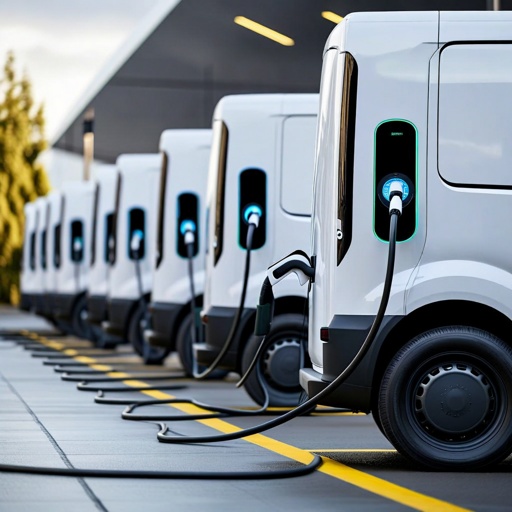
Operational criticality
For fleet operators, successful charging is an operational requirement. When a taxi can't charge overnight, it can't serve passengers the next day, directly impacting driver income and company revenue. When three delivery vans aren't ready for morning routes, packages don't get delivered on time, affecting customer satisfaction and potentially triggering service-level penalties. This operational criticality means depot charging infrastructure demands higher reliability standards than consumer or even workplace charging.
Industry targets for fleet depot charging reliability typically exceed 98% uptime, meaning chargers must be operational and available 98%+ of the time. This compares to 95-97% that's acceptable for public charging where users can find alternatives. Achieving this reliability requires not just quality equipment but proactive monitoring to catch issues before they cause morning readiness problems, rapid response when failures occur (ideally within 2-4 hours), predictive maintenance identifying problems before they cause downtime, and redundancy planning so individual charger failures don't prevent vehicle charging.
Key features of an effective fleet depot charging solution include:
- High-powered DC chargers capable of rapid replenishment of EV batteries, minimizing downtime during peak usage hours.
- Scalable installations that accommodate fleet growth without major overhauls. Modular systems that can add capacity as needed offer flexibility.
- Systems designed for harsh depot environments with rugged hardware, robust connectivity, and easy maintenance access.
- Smart load management technologies to optimize energy use, control peak demand charges, and integrate renewable sources like solar where feasible.
- Advanced fleet management integration platforms providing real-time insights on charger status, energy consumption, vehicle charging schedules, and predictive maintenance alerts.
Choosing between AC and DC for depot use
AC Charging (7–22 kW)
Best for vans, cars, light-duty vehicles, and fleets with predictable schedules charging overnight. Benefits include lower installation costs, less grid demand, and gentler battery health impact.
DC Fast Charging (30–350 kW)
Ideal for high-mileage fleets, tight turnarounds, and mixed or heavy-duty vehicles. It enables fast charging to 80%, supports continuous 24/7 operations, and facilitates rapid vehicle redeployment. Many depots choose a hybrid AC + DC approach to balance cost and performance.
Predictable usage patterns enable optimization
Unlike public charging where usage is unpredictable, fleet depot charging follows consistent patterns that enable significant optimization. Most fleets operate on schedules where vehicles return to depot within 2-3 hour windows (evening for delivery fleets, throughout 24 hours for taxi operations with shift changes), remain parked for 6-12 hours providing ample charging time, and depart on predictable schedules requiring full charge by specific times.
These patterns enable smart charging orchestration that controls costs dramatically.
Smart charging for fleets staggers charging start times to prevent simultaneous peak demand, prioritizes vehicles with lower state-of-charge or earlier departure times, completes all vehicles by required departure times while minimizing peak power draw, and responds to time-of-use electricity rates where applicable. The financial impact is substantial, unmanaged charging where all vehicles start charging immediately upon return can create electrical demand spikes triggering demand charges that double electricity costs.
A fleet charging 30 vehicles simultaneously at 7 kW each draws 210 kW peak, potentially triggering monthly demand charges of $2,000-$3,000. Smart charging spreading that same energy across 8 hours might peak at only 80-100 kW, reducing demand charges to $600-$1,000, savings of $1,400-$2,000 monthly or $16,800-$24,000 annually.
Software integration for fleets
Software integration is one of the most important parts of designing an efficient fleet charging ecosystem. A well-connected setup allows every component from vehicles to chargers to backend systems to communicate seamlessly. Fleet operators should ensure that their charging infrastructure integrates with existing fleet charging management software, enabling automated scheduling, state-of-charge visibility, and route-based charging optimisation.
It should also connect to the site’s energy management system so operators can balance load, avoid peak demand charges, and control overall energy flow across the depot. Finally, user authentication should be streamlined through RFID cards, vehicle-assigned IDs, or automated pairing, ensuring that only authorised vehicles initiate charging.
When these elements come together under a centralised CSMS, operators gain full visibility and control of usage, performance, and energy consumption, building a scalable and highly efficient fleet charging operation.
Common mistakes fleet operators make
Under-sizing electrical infrastructure: adding electrical capacity later costs 2-3x more than sizing appropriately initially due to infrastructure already in place needing modifications, business disruption during upgrades, and premium costs for retrofit work.
Ignoring energy management: fleets assuming basic charging will suffice often discover demand charges consuming most EV savings. Without smart charging, multiple vehicles starting simultaneously create demand spikes triggering monthly charges that can double electricity costs.
Choosing equipment-only solutions without operational support: purchasing charging equipment from electrical contractors without ongoing operational management creates challenges when fleet operators lack technical expertise to monitor, diagnose, and optimize charging operations. Issues surface slowly as utilization grows and operational complexity increases.
Neglecting redundancy and reliability planning: fleets sizing charging capacity exactly to needs leave no margin for equipment failures. When one or two chargers fail (inevitable with any equipment), insufficient remaining capacity prevents full fleet charging overnight.
Optimizing for lowest upfront cost: choosing solutions based purely on lowest upfront price often delivers worst total cost of ownership through inadequate energy management increasing operating costs, poor equipment reliability requiring frequent repairs, limited support creating operational burden on fleet staff, and lack of scalability requiring expensive upgrades as fleet grows.

🔎 FAQ - charging solutions for a fleet depot
Q: How many chargers does my fleet actually need?
A: Most overnight fleet charging operates effectively with 0.6-0.8 chargers per vehicle with smart charging orchestration. A 30-vehicle fleet typically needs 18-24 chargers. This assumes overnight dwell time of 8-12 hours, smart charging distributing load across that window, and Level 2 charging like 22 kW adequate for overnight requirements. Build in redundancy to absorb equipment failures and operational variations.
Q: What charging speed do I need for my delivery fleet?
A: Most delivery fleets with overnight depot returns work effectively with Level 2 charging (22 kW AC). Vehicles parked 8-10 hours achieve full charge even with 60-80 kWh batteries. This minimizes both equipment costs and electrical infrastructure requirements. Consider adding 1-2 DC fast chargers per 20-30 vehicles as backup for late returns or priority vehicles needing rapid charging. Pure DC fast charging is only necessary for high-turnover operations where dwell time is consistently under 2-3 hours, like taxi operations between shifts.
Q: Should I own charging infrastructure or use Charging-as-a-Service?
A: Ownership makes financial sense for established fleets committing to long-term electrification. However, CaaS offers advantages including zero upfront capital (improving cash flow), predictable monthly operating expenses, provider handling all maintenance and operations, and flexibility to scale or exit. CaaS works well for fleets starting electrification with uncertain outcomes, operating in leased facilities where equipment ownership is problematic, or prioritizing cash flow over total cost.
Q: What happens if I need to expand my fleet in 2-3 years?
A: This is why electrical infrastructure planning for growth matters enormously. If your electrical service and distribution are sized only for current needs, expansion requires expensive retrofits including transformer replacement or upgrades and rewiring, and business disruption during work. Always size electrical infrastructure for your anticipated fleet size in 3-5 years, not just today's needs.
At Eigen Energy, our approach goes beyond equipment installation to deliver comprehensive solutions including intelligent energy management reducing demand charges by 30-50%, fleet-specific charging orchestration ensuring operational readiness, real-time monitoring and predictive maintenance maximizing uptime, and platforms integrating charging with your fleet management systems.
Start with a complimentary depot assessment where we'll analyze your fleet operations and energy requirements, evaluate your facility's electrical infrastructure, model realistic costs and ROI specific to your situation, and design a depot charging solution matching your operational needs and budget.

