
How to choose the best solar system for your home
This comprehensive guide helps Singapore homeowners choose the best solar equipment for their landed properties based on tropical climate performance
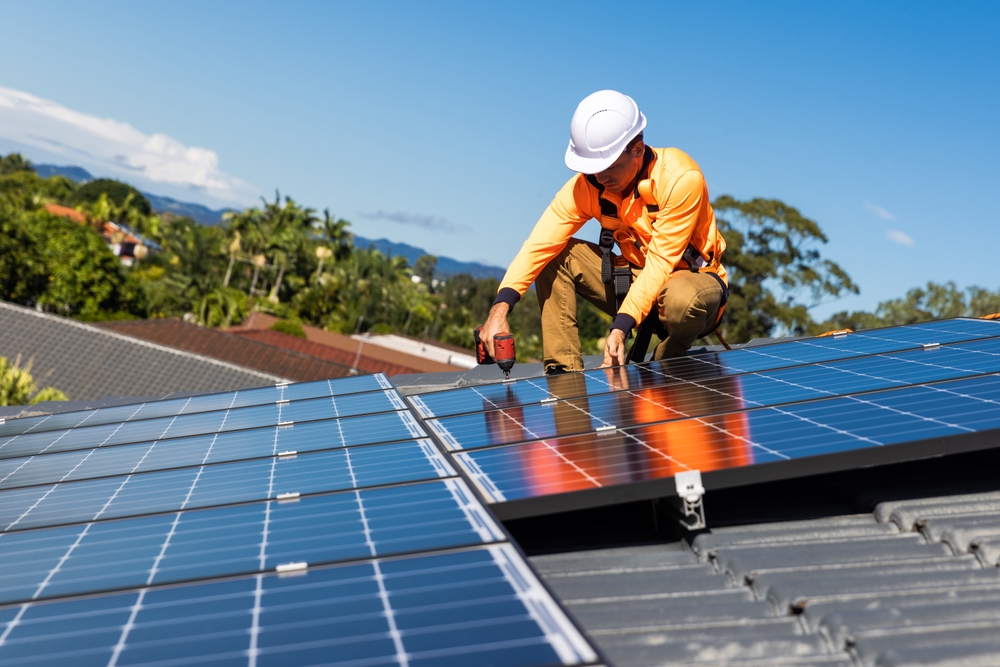
Home solar has become one of the most practical ways for Singapore landed homeowners to cut electricity bills, hedge against future tariff increases, and boost property value. But “best” doesn’t just mean the highest-efficiency panel on paper. The performance of a home solar system in Singapore depends on how well the panels, inverters, and mounting systems are designed to work together for your specific roof and usage.
Scroll down to understand what really matters and how to choose the right combination for your home.
📌 TL;DR - key takeaways on how to choose the best home solar system
- Focus less on chasing a single “best brand” and more on a well-designed system: good Tier-1 panels + reliable inverter + smart monitoring.
- For most Singapore homes, high-efficiency monocrystalline panels with a string inverter (or optimisers / microinverters on complex roofs) give the best value.
- A reputable installer and proper system sizing are more important for performance than small efficiency differences between top brands.

1. What makes a “good” home solar system in Singapore?
A strong system for landed homes typically has:
- High-efficiency monocrystalline panels to maximise energy from limited roof space.
- Inverters matched to your roof layout (string, optimisers, or microinverters) so shading and multiple roof faces are handled properly.
- Compliance with local standards, proper lightning and safety protection, and neat routing of cables.
- Monitoring and after-sales support, so issues are picked up early and corrected.
2. Comparing solar panels: efficiency, durability
When comparing panels, it helps to look beyond brand names and focus on efficiency, degradation, and warranty. Most reputable installers in Singapore use Tier-1 monocrystalline panels from major manufacturers. The key differences from a homeowner’s perspective are:
Efficiency (around 20–23%)
Higher efficiency means more power from the same roof area. Most quality panels today achieve efficiencies above 20 percent, which is sufficient for typical landed roofs. Higher efficiency makes the biggest difference when roof space is limited or partially shaded, allowing more power to be squeezed from the same area.
Degradation and warranty
Degradation rates and long-term performance warranties matter because they indicate how much generation you can expect in year ten or twenty, not just in year one. Many manufacturers now provide 25‑year performance warranties with specified maximum annual degradation, giving you a clearer sense of long‑term output. Look for 25-year performance warranties with a clear degradation curve (for example, ~2–3% in year 1 then 0.4–0.5% per year).
3. Comparing inverters: string, optimisers, or microinverters?
The inverter has a major influence on how your system behaves and how easy it is to diagnose issues. Its job is to convert the direct current from your panels into usable alternating current for your household, but different inverter architectures suit different roofs. Traditional string inverters work best on simpler roofs with one or two main orientations and minimal shading, where panels in each string behave similarly. They tend to be cost‑effective and straightforward to maintain.
4. How to choose the right system for your home
Choosing the right system therefore becomes a design question rather than a brand race. The process usually starts with clarifying your goals: Are you primarily chasing lower bills, seeking resilience through backup power, or trying to reach a particular sustainability target? A simple decision flow you can use:
Clarify your goals
- Maximise bill savings now
- Add resilience and backup
- Maximise sustainability or reach net‑zero for your home
Review your usage
- Pull 6–12 months of bills to see average kWh per month.
- Note if you plan to add an EV, more air‑cons, or a renovation.
Assess your roof
- How much usable area is unshaded?
- One or multiple orientations?
Discuss system architecture with your installer
- Target system size (kWp)
- Type of inverter (string vs optimised vs micro)
- Whether to prepare for or include a battery
- Monitoring and EV‑integration needs
Compare proposals on more than price
- Component brands and warranties
- System size and estimated annual yield
- After‑sales support and monitoring included
When you compare proposals, looking only at headline price or total kilowatt‑peak can be misleading. It is often more useful to compare estimated annual energy yield, component quality and warranties, layout drawings, monitoring capabilities, and the strength of after‑sales support. A slightly more expensive proposal with better design, higher reliability, and stronger after‑sales support usually delivers higher lifetime value than the cheapest quote.

🔎 FAQ on how to choose the best solar system
Q: Is it worth paying more for premium panel brands?
If roof space is tight or aesthetics and warranty strength matter to you, premium brands can be worthwhile. If you have ample roof space, a well‑designed system with good Tier‑1 panels may offer better value than paying a large premium for marginally higher efficiency.
Q: Do I need a battery to benefit from solar in Singapore?
No. A standard grid‑tied system without batteries already offsets a significant portion of your electricity bill. Batteries add backup and higher self‑consumption but should be weighed against their cost and your priorities.
Q: How long will my home solar system last?
Panels often have performance warranties of 25 years and can continue operating beyond that with gradually lower output. Inverters generally last 8–15 years, after which a replacement may be needed.
Q: Can I expand my system later?
Yes, as long as your roof, electrical design, and inverter choice allow. If you foresee adding an EV or more loads, discuss expandability during the initial design.
Planning a home solar system in Singapore and want more than just a generic package? Engage Eigen Energy to design a complete solution tailored to your roof, your bills, and your future plans. Request a site assessment and customised proposal to see how much you can save over the next 20+ years.

