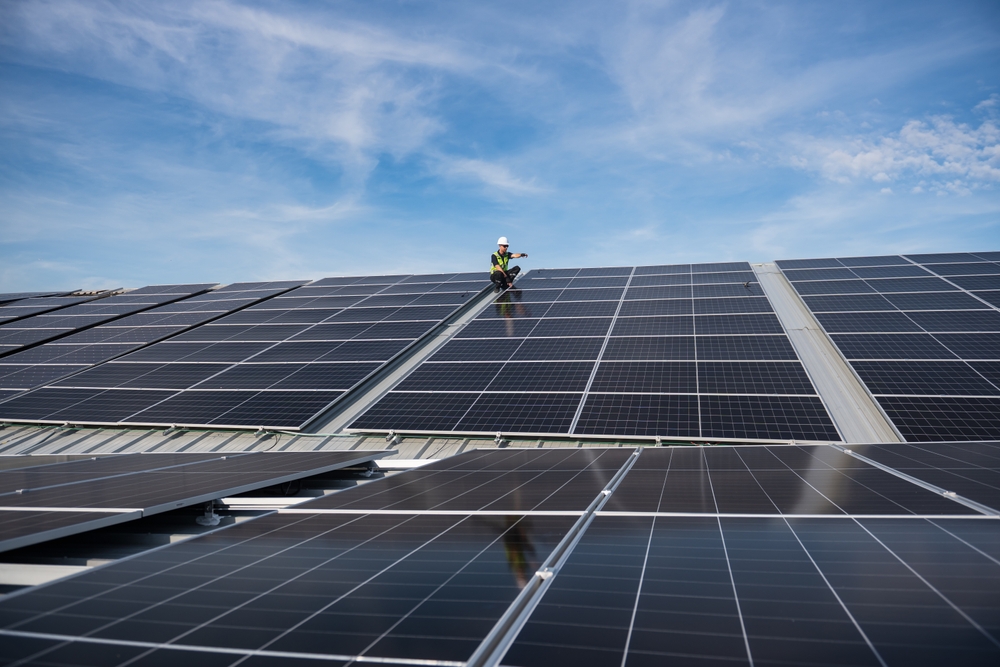
What your facilities manager should review in a commercial solar proposal
Review a commercial solar proposal with confidence. A facilities manager’s guide to roof suitability, electrical integration, costs and maintenance.
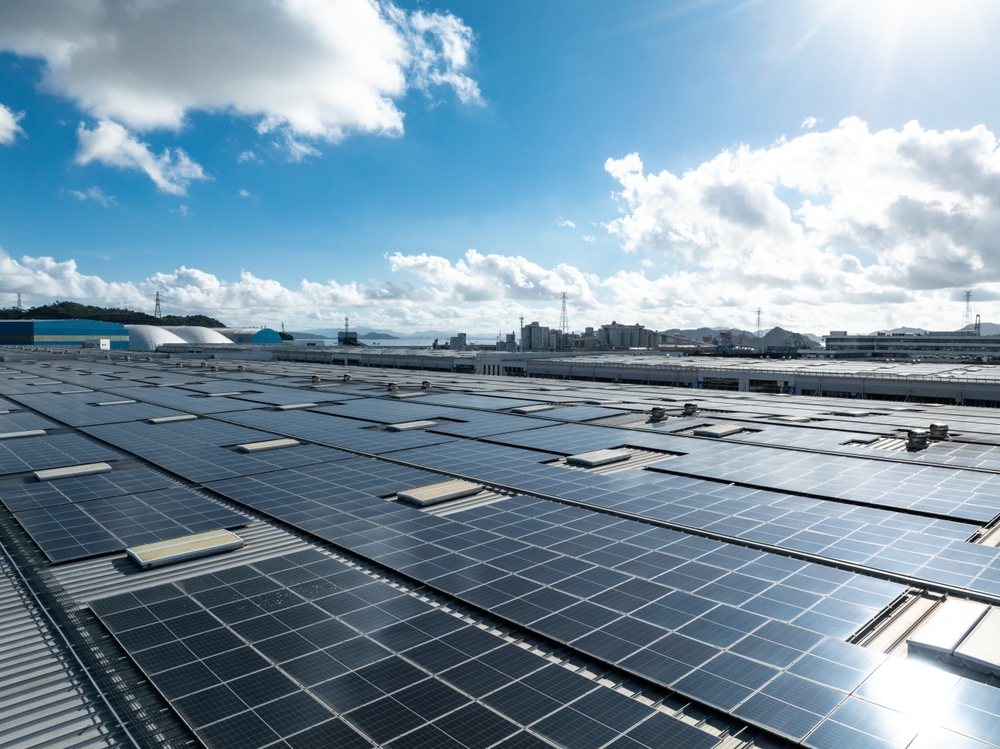
A commercial solar proposal can look convincing on the first page: a rooftop layout, an attractive generation estimate, and a projected return on investment. But for the facilities team responsible for the building, those figures are only the starting point. Before recommending a project, facilities managers need to understand how the system will fit the property, how installation will affect daily activities, and what responsibilities remain after handover. For commercial and industrial properties in Singapore, the strongest proposals connect the financial case with site-specific engineering and a clearly defined delivery scope. Here is what your facilities manager should examine before the project moves forward.
The site assessment behind the proposal
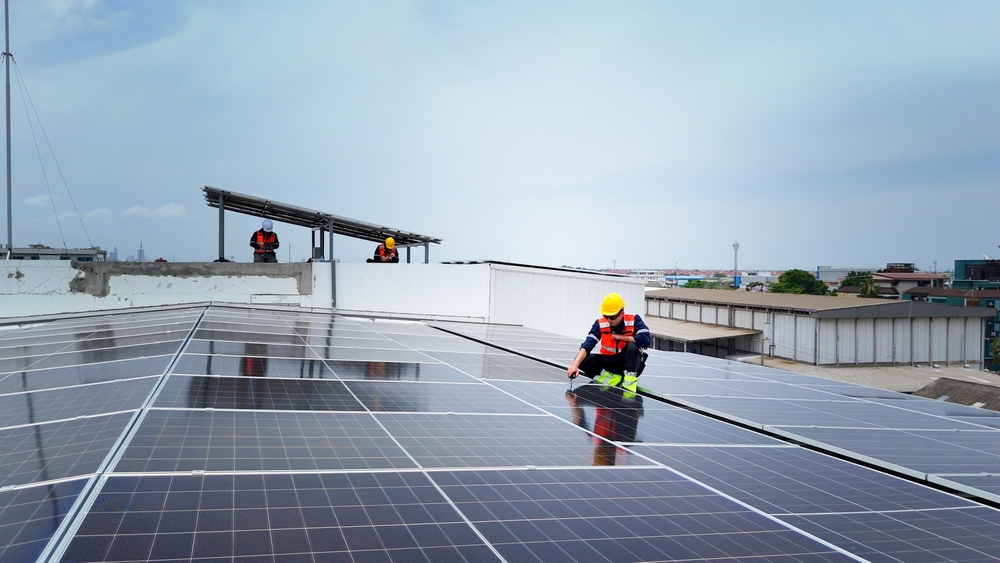
Start by asking what information the proposed design is based on. Has the contractor inspected the roof and electrical infrastructure, or is the quotation largely based on satellite imagery, roof dimensions, and electricity bills. A preliminary estimate can help establish whether solar is worth exploring. However, it should be clearly distinguished from a design supported by site investigations. EMA recommends assessing roof suitability, including any preparatory works needed where waterproofing is present, and consulting a Qualified Person or solar installer on appropriate system sizing.
Ask the provider to identify what has been verified, what remains an assumption, and which findings could change the price, layout, or installation programme. This makes it easier to understand whether the proposal is ready for approval or still requires feasibility work.
Roof condition, structural suitability, and maintenance access
The roof should be assessed as a building asset, not simply as available space for panels. Review whether its condition and planned maintenance works are compatible with the proposed installation. If repairs or waterproofing works are being considered, those decisions should be addressed before committing to the solar layout. EMA specifically highlights roof suitability and waterproofing checks as part of evaluating a site’s solar potential. The proposal should explain how structural suitability will be assessed, who is responsible for the relevant professional review, and how the mounting arrangement interfaces with the existing roof. Ask how any roof penetrations, existing warranties, and responsibility for damage during installation will be handled.
Maintenance access deserves equal attention. Request a layout that shows how personnel will reach the solar equipment and existing rooftop services. The design should also address applicable fire-safety provisions; EMA notes that the Qualified Person must ensure compliance with SCDF requirements and other relevant codes. A useful proposal explains not only where panels will go, but why certain areas have been left clear.
System sizing and the assumptions behind projected savings
The proposed system capacity should come with a clear explanation of how it was selected. Ask whether the recommendation reflects only the available roof area or also considers the facility’s electricity consumption and operating pattern. Request a generation model with its main assumptions, including shading, orientation, system losses, and expected performance over time. The provider should distinguish installed capacity, expressed in kilowatt-peak, from the amount of electricity expected to be generated, expressed in kilowatt-hours. Eigen’s published commercial assessment scope includes structural, electrical, and shading analysis to support the design and yield model.
For the financial review, ask how much generated electricity is expected to be used on-site and how much is expected to be exported. These should not be presented as financially interchangeable. Singapore has different arrangements for receiving payment for exported solar electricity, so the proposal should identify the applicable scheme and valuation assumptions rather than apply one electricity rate to all generation. A forecast should also be clearly distinguished from a contractual guarantee. If performance commitments are offered, review how they are measured, what exclusions apply, and what remedy is available if the commitment is not met.
Integration with the building’s electrical system
A rooftop layout does not explain how the solar installation will connect to the facility. Ask for the proposed connection approach, the electrical equipment affected, and any further assessments or modifications required. At proposal stage, the design may not yet be final. Nevertheless, the provider should explain the intended connection point, relevant design assumptions, and how the detailed engineering will be reviewed. Request clarity on protection arrangements, isolation, cable routes, metering, and any required switchboard works.
In Singapore, the appointed Licensed Electrical Worker handles the solar PV connection application to SP Group. EMA also identifies the LEW’s role in assessing electrical connection requirements, handling applicable electrical licences, and turning on the system. The proposal should therefore make professional responsibilities and coordination with the building’s existing electrical team explicit. If certain works remain subject to investigation, ask how they will be priced and approved.
Installation planning around daily operations
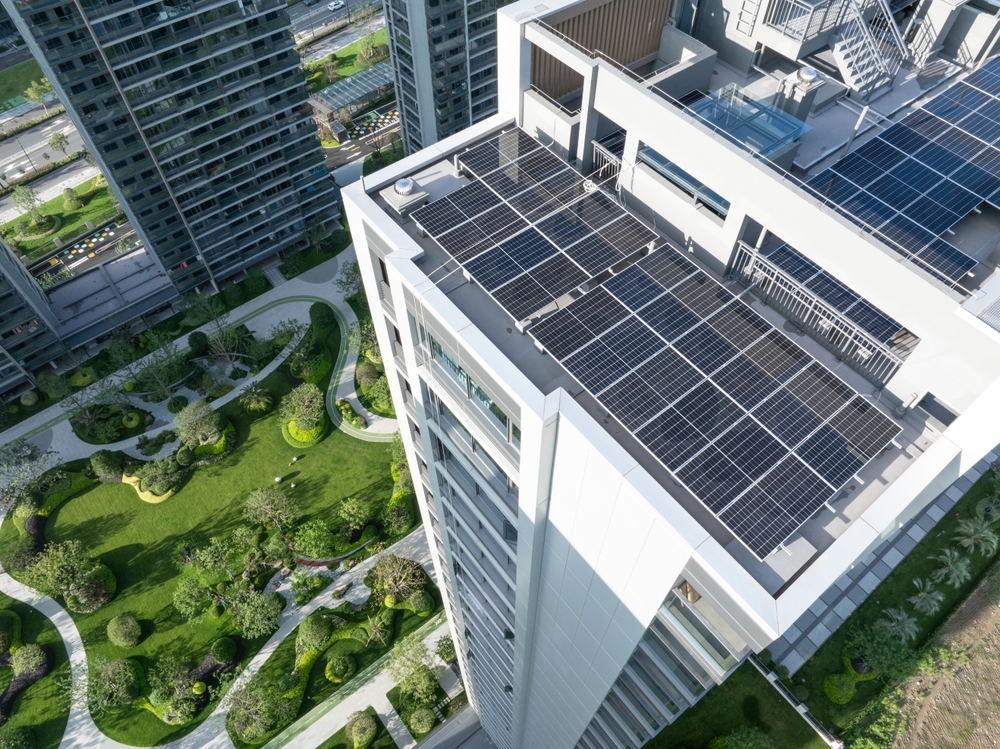
The phrase “minimal disruption” needs a practical explanation. Ask how the installation will accommodate deliveries, tenant access, production activities, loading bays, parking, and any restricted areas relevant to your property. The implementation plan should identify contractor access, material storage, lifting arrangements, temporary work zones, and the sequence of installation activities. It should also explain how electrical connection works will be assessed and how any required interruption will be communicated and scheduled.
Rather than accepting a blanket promise of zero disruption, request a plan showing which activities can proceed alongside normal operations and which require coordination or an agreed work window. Eigen’s commercial offering describes phased delivery across mounting, cabling, and grid connection; the proposal should translate that approach into a programme suited to the particular facility. Clarify what your own team must provide, including site inductions, permits to work, access approvals, and coordination with occupants. Turnkey delivery should reduce fragmented coordination, but it should not leave client-side responsibilities undefined.
Approvals, professional appointments, and scope boundaries
A proposal should identify the approvals, applications, and professional services relevant to the project, together with who will manage and pay for them. EMA explains that a Qualified Person ensures the design and physical installation comply with relevant regulations, while the LEW undertakes electrical responsibilities within the scope of their licence. These roles should be clearly allocated rather than grouped under an unexplained “approvals included” statement.
Ask the contractor to distinguish services included in the price from fees, submissions, investigations, or remedial works that may be charged separately. The proposal should also identify client obligations, such as supplying existing drawings or obtaining permissions from the building owner. A clear exclusions schedule helps both parties understand what has been priced and what remains conditional.
Equipment selection and warranty responsibilities
Brand names and warranty durations are useful, but they do not fully explain the quality of an equipment proposal. Ask why the selected modules, inverters, and mounting system suit the site, and whether substitutions require your approval. Review the warranty documents rather than relying solely on a summary in the quotation. Ask the provider to distinguish equipment defects, module performance commitments, installation workmanship, and any separately offered system-performance commitment.
The practical question is who handles a problem. Establish who investigates a suspected fault, submits the warranty claim, and pays for labour, access equipment, transport, or replacement installation where these are not covered. Eigen’s proposal-comparison guidance similarly emphasises the importance of examining scope, performance assumptions, and operational accountability rather than comparing headline prices alone.
Monitoring and maintenance after installation
The proposal should explain how the facilities team will know whether the system is operating as intended. Ask what monitoring access is provided, which information is visible, who receives alerts, and who is responsible for investigating them. Monitoring and maintenance should not be treated as the same service. A platform may display a fault without including the labour needed to diagnose and repair it. Review preventive maintenance, inspection frequency, cleaning arrangements, corrective work, reporting, and any response commitments as separate contractual items.
EMA states that solar PV systems require ongoing operation and maintenance, including electrical safety checks, and notes that vendors may offer an O&M quotation as an option. Do not assume that a turnkey installation automatically includes long-term maintenance. Where maintenance is included, confirm its duration, exclusions, renewal terms, and responsibility for replacement parts. The aim is to understand the ongoing workload and cost before the system becomes part of the building’s operations.

Testing, commissioning, and handover
Define the handover requirements before awarding the project. The facilities team should know what evidence, documentation, access credentials, and training it will receive—not discover what is missing after installation. Ask for an agreed handover schedule covering relevant test and commissioning records, as-built drawings, equipment information, warranties, operating guidance, and maintenance instructions. Confirm how monitoring accounts will be transferred and who will explain normal operation, fault escalation, and relevant isolation procedures to the nominated personnel. The contract should also define practical completion, outstanding defects, and the conditions for final acceptance.
Eigen’s commercial EPC materials describe commissioning and handover as part of delivery; specifying the actual deliverables makes that commitment reviewable.
A proposal should make the decision clearer
Your facilities manager does not need to redesign the solar system. They do need enough information to understand its impact on the property, identify unresolved risks, and recommend a practical way forward. A well-developed proposal makes its assumptions visible. It explains the site constraints, defines responsibilities, and connects installation with the system’s ongoing operation.
Planning solar for your facility?
Speak with Eigen Energy about a site-specific assessment, the practical requirements of installation, and what your team should expect throughout the project. Contact us: here