
Compare Zero Capex Solar vs Ownership
Choosing between a solar PPA and EPC contract? Compare upfront cost, ownership, maintenance, risk and long-term value for your commercial rooftop solar project.
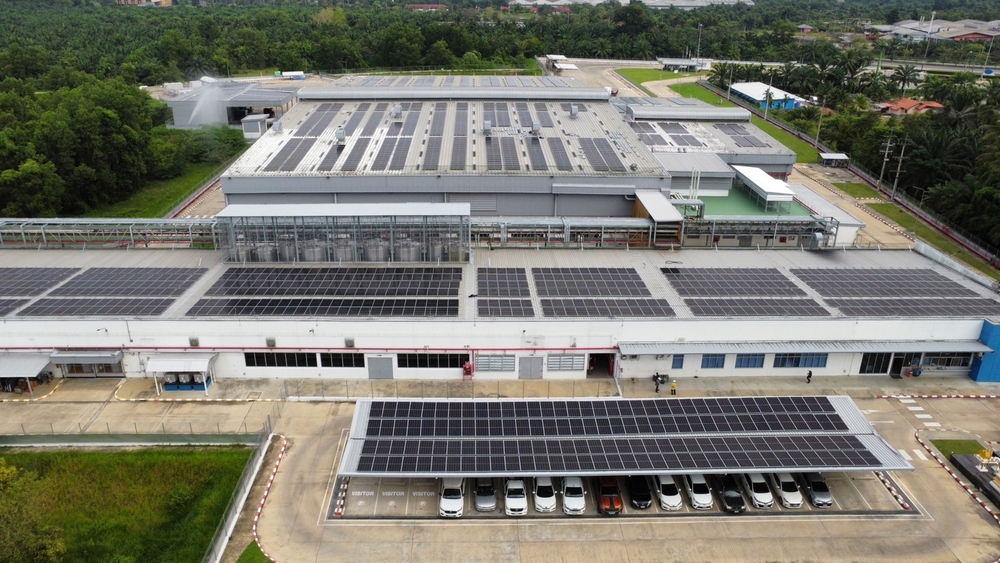
For most businesses considering rooftop solar for a commercial or industrial property, two common approaches are a Power Purchase Agreement (PPA) and an Engineering, Procurement and Construction (EPC) contract. Both options can put a solar system on the same rooftop and generate electricity for the same building. The difference is what happens behind the system: who funds the installation, who owns the asset, who is responsible for its operation and maintenance, and who carries the associated risks over time.
A PPA can allow a business to adopt rooftop solar without making the upfront capital investment or taking on responsibility for operating the system. An EPC contract, on the other hand, allows the property owner to purchase and own the system from day one, with greater control over the asset but responsibility for its ongoing performance and maintenance.
This article explains how PPAs and EPC contracts work in practice, where the financial and operational responsibilities sit under each model, and the key questions businesses should consider before choosing between them.
TL;DR: PPA vs EPC solar
- PPA (zero CAPEX solar): A third-party provider finances, owns and maintains the solar system. The business purchases the electricity generated at an agreed tariff, subject to the contract terms.
- EPC (solar ownership): The business funds the installation and owns the system after handover. It can benefit from the electricity generated but is also responsible for ongoing operation and maintenance, directly or through a service provider.
- PPA may suit businesses that want to preserve capital, reduce operational involvement and pay for solar electricity over time.
- EPC may suit businesses that have access to capital, want direct ownership and prefer greater control over the asset and its long-term economics.
- The right choice depends on more than upfront cost. Electricity tariffs, contract duration, expected generation, maintenance obligations, roof access, ownership rights and long-term plans all affect the commercial outcome.
Neither model is automatically more cost effective. Businesses should compare the total cost, responsibilities and risks over the full contract or system life, rather than evaluating the decision on upfront expenditure alone.
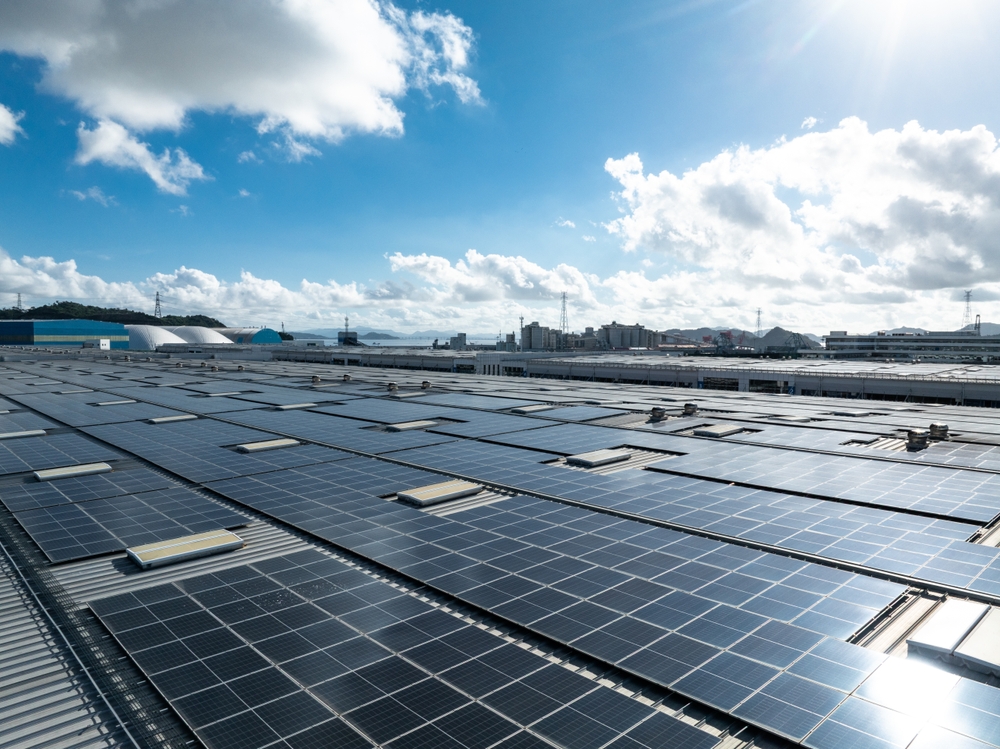
1. What is a zero CAPEX solar PPA?
A Power Purchase Agreement (PPA) is a commercial arrangement in which a third-party solar provider typically finances, installs, owns and operates a rooftop solar system at a customer's premises. Instead of purchasing the components and equipment, the customer agrees to buy the electricity generated by the system at a predetermined tariff or under an agreed pricing structure.
The main appeal is the ability to adopt solar without funding the full installation upfront. This can be useful for businesses that want to preserve working capital for core operations, expansion or other investments, or JTC tenants who find themselves obligated with mandatory solar requirements. Depending on the PPA contract terms, the solar provider may also take responsibility for monitoring, maintenance and repairs, reducing the operational burden on the property owner or occupier.
However, zero CAPEX does not mean zero cost. The business pays for the electricity generated under the PPA, and the value of the arrangement depends on the agreed tariff, the building's electricity consumption, the system's actual output and the contract's commercial terms. A PPA tariff that appears attractive at the outset may deliver a different financial outcome depending on how electricity prices, consumption patterns and contractual charges evolve.
The agreement also matters beyond the electricity price. Businesses should understand the contract duration, any annual tariff escalation, minimum purchase or payment obligations, access requirements, insurance arrangements, and what happens if the property is sold, leased, redeveloped or undergoes major roof works. These terms can influence flexibility throughout the agreement.
2. What is an EPC contract for solar ownership?
Under an Engineering, Procurement and Construction (EPC) contract, a business engages a contractor to design, supply, install and commission a solar PV system. The business funds the project according to the agreed payment terms and generally owns the system once it has been handed over, subject to the contract and any financing arrangements.
Ownership gives the business greater direct control over the asset. Electricity generated by the system can reduce the amount of grid electricity the premises need to purchase, helping the business manage its energy costs. Once the initial investment has been recovered, the ongoing financial benefits can be attractive, although actual returns depend on system performance, consumption, electricity tariffs, operating costs and the way any surplus electricity is treated.
The trade-off is that the business must plan for the asset's operating life. This includes monitoring system performance, arranging inspections and maintenance, managing repairs when needed, and understanding equipment and workmanship warranties. These responsibilities can be handled internally or through a separate operations and maintenance (O&M) agreement, but they should be accounted for in the investment analysis.
EPC ownership may be suitable for businesses with available capital or access to financing that want to invest in a long-term energy asset. However, ownership alone does not guarantee better returns. The system must be properly designed, the expected generation realistic, and the project economics assessed against the business's electricity consumption and investment priorities.
3. PPA vs EPC: How do the two models compare?
The most important difference between a PPA and EPC contract is how the costs, responsibilities and risks are allocated.
These are typical arrangements, not universal rules. Specific contracts may allocate responsibilities differently, so businesses should review the actual terms rather than relying on the model's label alone.
4. Compare the financial implications beyond the upfront cost
The most visible difference between PPA and EPC is the initial capital requirement. Under a PPA, the provider typically invests in the system, while the customer pays for the electricity it uses. Under EPC, the customer pays for the system and then benefits from the electricity it generates.
But upfront cost is only one part of the financial comparison. For a PPA, the critical question is whether the contracted solar tariff creates a meaningful advantage over the electricity costs the business would otherwise incur. The analysis should account for the PPA tariff, any escalation mechanism, expected generation, the proportion of solar electricity the premises can use, and any other fees or payment obligations. If the building's consumption changes substantially, the value of the arrangement may change as well.
For EPC ownership, the analysis should include the total installed cost, financing costs if applicable, expected annual generation, the proportion consumed onsite, maintenance and repair allowances, and any relevant value from exported electricity. The business should also consider the timing of its investment and the return it expects from deploying capital into solar rather than another business priority.
A useful comparison models both arrangements over the same period and uses consistent assumptions. For example, both scenarios should use the same estimated system output, electricity consumption profile and assumptions about future energy prices. This makes it easier to distinguish genuine differences in the commercial model from differences in the underlying system design.
It is also important to test different scenarios. What happens if electricity prices rise more slowly than expected? What if the building's energy demand changes, or the system generates less electricity than forecast? Sensitivity analysis can reveal which assumptions have the greatest impact on the project's financial outcome.
5. Consider who carries the operational and performance responsibilities
A solar system is a long-term asset, so the allocation of operational responsibilities deserves as much attention as the financing structure. With a PPA, the provider typically takes responsibility for system operation and maintenance. This can reduce the customer's day to day involvement, but the extent of that protection depends on the agreement. Businesses should check how system performance is monitored, what maintenance is included, how faults are handled, whether response times are specified, and what remedies apply if agreed performance commitments are not met.
With EPC ownership, the business has more direct control over how the system is managed. It can appoint an O&M provider, establish internal procedures or negotiate service arrangements that match its operational requirements. However, the business should make sure that responsibility for monitoring, inspections, fault response and warranty claims is clearly assigned. Leaving these matters unaddressed can make it harder to identify underperformance or resolve problems promptly.
In either model, the quality of the original system design remains important. Roof conditions, shading, electrical infrastructure, equipment selection, installation methods and realistic generation estimates all influence the system's performance. A commercial arrangement can allocate certain responsibilities, but it cannot make a poorly designed system deliver the expected results.
6. Which solar implementation model is right for your business?
The choice between PPA and EPC should start with the business's commercial priorities, rather than a blanket preference for zero upfront cost or asset ownership. A PPA may be worth considering when preserving capital is a priority, the business prefers not to manage solar operations directly, and the proposed tariff and contractual terms offer a clear commercial case. It can also be relevant when a business wants to adopt solar without adding a major capital project to its investment programme. The key is to verify the total contractual cost and understand how much flexibility the business retains over the agreement's duration.
EPC ownership may be worth considering when the business has available capital or suitable financing, wants direct control over the system, and is prepared to manage its long-term operation. It may also appeal to organisations that prefer to own their energy assets and evaluate the investment against a defined financial return. That case still depends on credible generation estimates, installation quality and realistic allowances for ongoing costs.
Some businesses may find that neither model is appropriate without further investigation. A roof may require repairs before installation, the site's electricity demand may not align well with expected solar generation, or a lease term may be too short for the proposed arrangement. Resolving these issues early helps avoid committing to a commercial structure that does not fit the property or the business.
Ultimately, the best comparison is based on the same technical assumptions, a transparent financial model and a clear understanding of the obligations under each contract.
Frequently asked questions
Q: Is zero-capex solar really free?
No. Zero-capex generally means the customer does not pay the full installation cost upfront. Under a PPA, the customer pays for electricity generated by the system according to the agreement. The tariff, contract duration, payment obligations and other terms determine the overall cost.
Q: Is a PPA cheaper than owning a solar system?
Not necessarily. A PPA may reduce upfront capital requirements and transfer specified operational responsibilities to the provider. EPC ownership requires an initial investment but gives the owner the benefits and costs associated with the asset. The more relevant comparison is the total cost and financial outcome over a consistent period, using realistic assumptions about generation, electricity prices, maintenance and financing.
Q: Who owns the solar panels under a PPA?
The solar provider typically owns the system for the duration of the PPA. The contract should specify ownership, rights to access the roof, responsibilities for maintenance and insurance, and what happens to the equipment when the agreement ends.
Q: Who is responsible for maintenance under an EPC contract?
The system owner is generally responsible for arranging ongoing operation and maintenance after handover. The owner can manage this internally or appoint a specialist O&M provider. Equipment warranties and workmanship warranties may cover certain defects, but they do not necessarily replace routine maintenance or cover every repair.
Q: Can a business sell or lease its property while a PPA is in place?
It may be possible, but the process depends on the contract. The agreement may contain requirements for transferring the PPA, obtaining consent, assigning obligations to a new owner or occupier, or terminating the arrangement. These provisions should be reviewed before signing, especially if the property may change hands during the contract period.
Q: What should businesses compare when evaluating PPA and EPC proposals?
Businesses should compare the expected system output, the share of generation likely to be consumed onsite, the PPA tariff or total EPC project cost, maintenance responsibilities, warranties, performance commitments, contract duration, escalation clauses, termination provisions and the treatment of surplus electricity. Both models should be evaluated using consistent assumptions and a common analysis period.
Q: Does a business need to choose between PPA and EPC before assessing its roof?
No. A technical assessment should come first or run alongside the commercial evaluation. Roof condition, shading, structural suitability, electrical capacity and the building's consumption profile influence the system that can reasonably be installed. These factors help establish whether the project is viable and provide a more reliable basis for comparing commercial options.
Find the right solar model for your property
Choosing between zero CAPEX solar and ownership is not simply a decision about whether to spend upfront. It is about finding a commercial structure that fits your energy demand, capital priorities, property plans and appetite for operational responsibility. Eigen Energy helps businesses assess and implement clean energy infrastructure, with an engineering-led approach to system design and project delivery. If you are evaluating rooftop solar for a commercial or industrial property, speak with our team to explore the technical requirements, compare suitable project structures and identify the considerations that matter for your site.
Contact Eigen Energy to discuss your commercial solar project.

